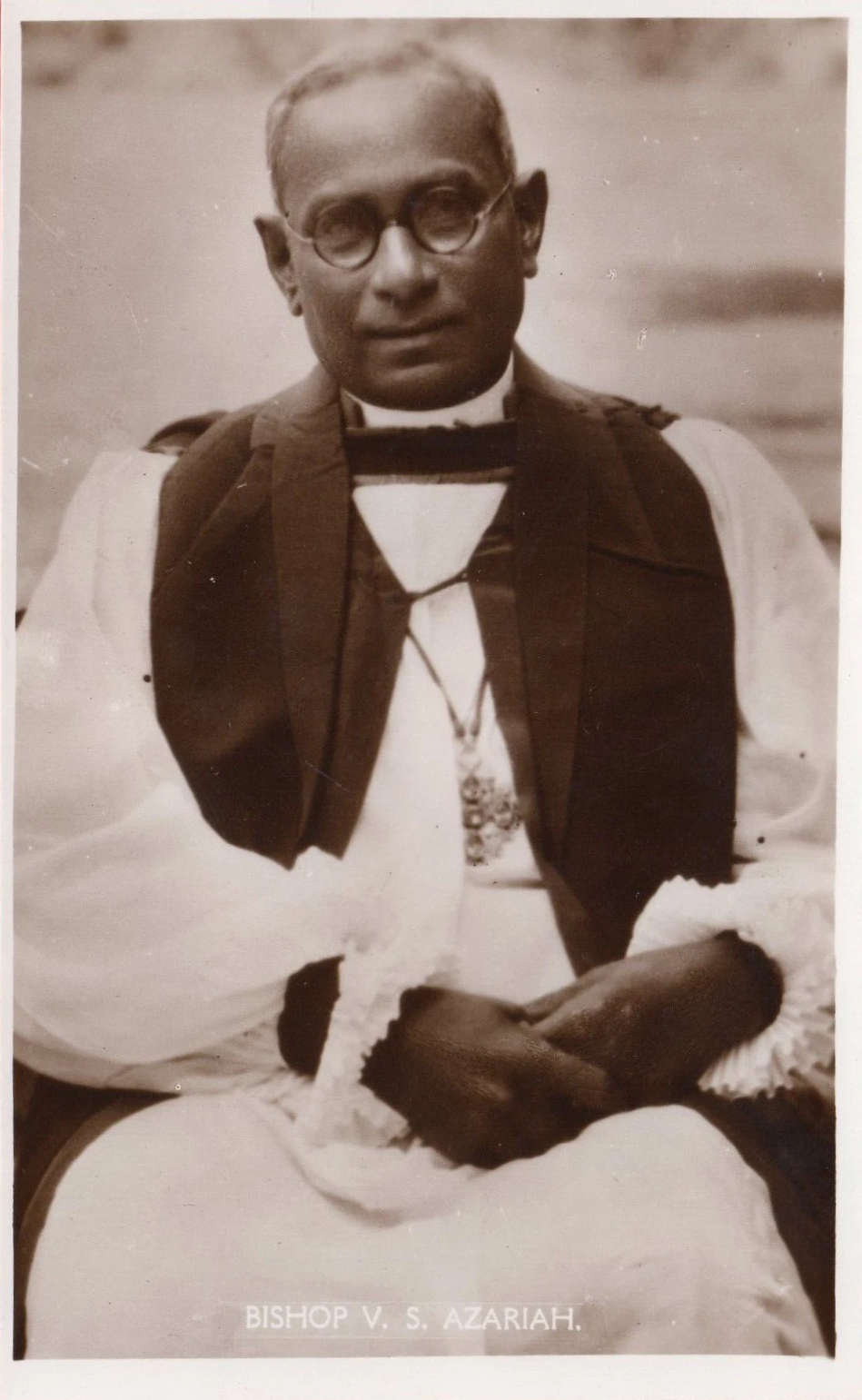
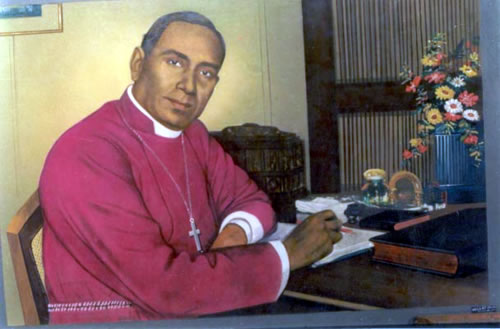
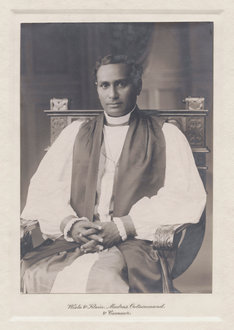
12 December, 1912: Consecration of Bishop V. S. Azariah.
Rev. Vedanayagam Samuel Azariah was consecrated as the first Indian Bishop of the Church in India (Anglican Church) on 12 Dec 1912, in the St. Paul’s Cathedral in Calcutta. Most Rev. Dr. Copleston, assisted by ten other bishops, conducted the consecration ceremony.
First Indian bishop of the Anglican Church in India
The first Indian bishop of the Anglican Church in India, Vedanayagam Samuel Azariah was born in 1874 in a small village in Andhra Pradesh, the son of Thomas Vedanayagam, an Anglican priest, and Ellen, a woman with a deep love and understanding of the Holy Scriptures. Samuel became a YMCA evangelist at nineteen and secretary of the organization throughout South India only a few years later. He saw that, for the Church in India to grow and to bring ordinary Indians to Jesus Christ, it had to have indigenous leadership.
He helped to create the Tinnevelly-based Indian Missionary Society in 1903, and was a co-founder of the National Missionary Society of India, an all-India, Indian-led agency founded in December 1905.
At the age of thirty-five he was ordained to the presbyterate, and three years later (December, 1912) he was consecrated as the first bishop of the new Diocese of Dornakal, with eleven bishops of the Anglican Church in India participating in the liturgy at St Paul’s Cathedral in Calcutta. Bishop Azariah was the first Indian to be consecrated a bishop in the Churches of the Anglican Communion. Bishop Azariah died on January 1, 1945, two years before the inauguration of the united Church of South India (CSI).
The Bishop and the Blessing: A Story from the Life of Vedanayagam Samuel Azariah:
Bishop Vedanayagam Samuel Azariah, accompanied by the Archbishop of Canterbury Robert Runcie, visited a small village in his diocese. As they approached, an elderly woman emerged from her humble dwelling. She had never seen a white Archbishop before, and was struck by the sight of this important figure arriving in a grand car with a police escort.
To everyone’s surprise, Archbishop Runcie bowed before the elderly villager. Without hesitation, the woman placed her hands on his head and offered a blessing. Moved by this unexpected act of faith, the Archbishop was overcome with emotion . “Nobody has ever done this to me,” Runcie said, tears in his eyes. “I have laid my hands on many people. But this mother has laid her hands on me.”
This simple yet profound moment exemplified Bishop Azariah’s lifelong mission – to cultivate an indigenous Indian church where the faith of ordinary people could flourish. It revealed the deep spirituality he nurtured among his flock, where even the humblest villager felt empowered to bless an Archbishop. The incident also highlighted Azariah’s ability to bridge cultures, bringing together a high-ranking English cleric and a poor Indian woman in a touching display of mutual respect and shared faith.
Azariah had two great priorities in his work: evangelism and the desire for Christian unity.
He understood evangelism to be the acid test of Christianity. When asked what he would preach about in a village that had never heard of Christ, Azariah answered without hesitation: ‘The resurrection.’ From a convert he demanded full acceptance of Christianity which would include baptism and which could therefore include separation from family and caste. He claimed that Christianity took its origin in the death and resurrection of Jesus Christ and the outburst of supernatural power that this society manifested in the world.
Azariah recognised that because four-fifths of Indian people live in villages, for the Church to be an indigenous one it must be a rural Church. He was constantly in the villages, inspiring and guiding the teachers, clergy and congregations. He blamed the missionaries for not training people in evangelism, and thought their teaching had been mission centred instead of Church centred, and he pleaded with missionaries to build up the Indian Church. Much of the Christian outreach in his area was among the outcast people. Gradually as Christianity spread amongst the villages, the social situation began to change, the Christian outcasts gaining a new self-respect as they realised their worth in the eyes of God.
Azariah considered that one of the factors that hampered evangelism, and possibly the deepening of the spiritual life of the convert, was the western appearance of the Church in both its buildings and its services. As early as 1912 he had visions of a cathedral for the diocese to be built in the eastern style, where all Christians could feel spiritually at home regardless of their religious background and race. Building was delayed because of the Great War in Europe, but finally his dream was realised when the Cathedral Church of The Most Glorious Epiphanywas consecrated on January 6, 1936. The building is a beautiful structure embodying ideas from Christian, Hindu and Moslem architecture. Its dignity and spaciousness create a very different effect from that of the nineteenth and twentieth century Gothic churches and furnishings scattered elsewhere in India.
If evangelisation of India was Azariah’s first priority, the second was that of Church unity. He was the two as interrelated. He believed that a united Church was in accordance with the will of God, ‘that we may all be one’, and he also believed that a United Church would be more effective for evangelism. Addressing the Lambeth Conference in 1930 he pleaded:
“In India we wonder if you have sufficiently contemplated the grievous sin of perpetuating your divisions and denominational bitterness in these your daughter churches. We want you to take us seriously when we say that the problem of union is one of life and death. Do not, we plead with you, do not give us your aid to keep us separate, but lead us to union so that you and we may go forward together and fulfil the prayer, ‘That we may all be one.’”
Bishop Samuel is commemorated in the sanctoral calendars of the Anglican Church in North America and the Church of England on January 2.
The guest house of the National Council of Churches in India at their Nagpur headquarters is known as Azariah House in memory of the Bishop.
20 November, 1904: Death of Stephanos Kathanar – Author of “Shayana Namaskaram” (Mar Thoma Shayana Namaskaram).
Stephanos Kathanar (born on 14 June 1852) was a member of Kallarakkal Peedikayil family of Thazhahkkara, Mavelikkara. He became a deacon at the age of 8. He was an expert teacher of the Syrian Language.
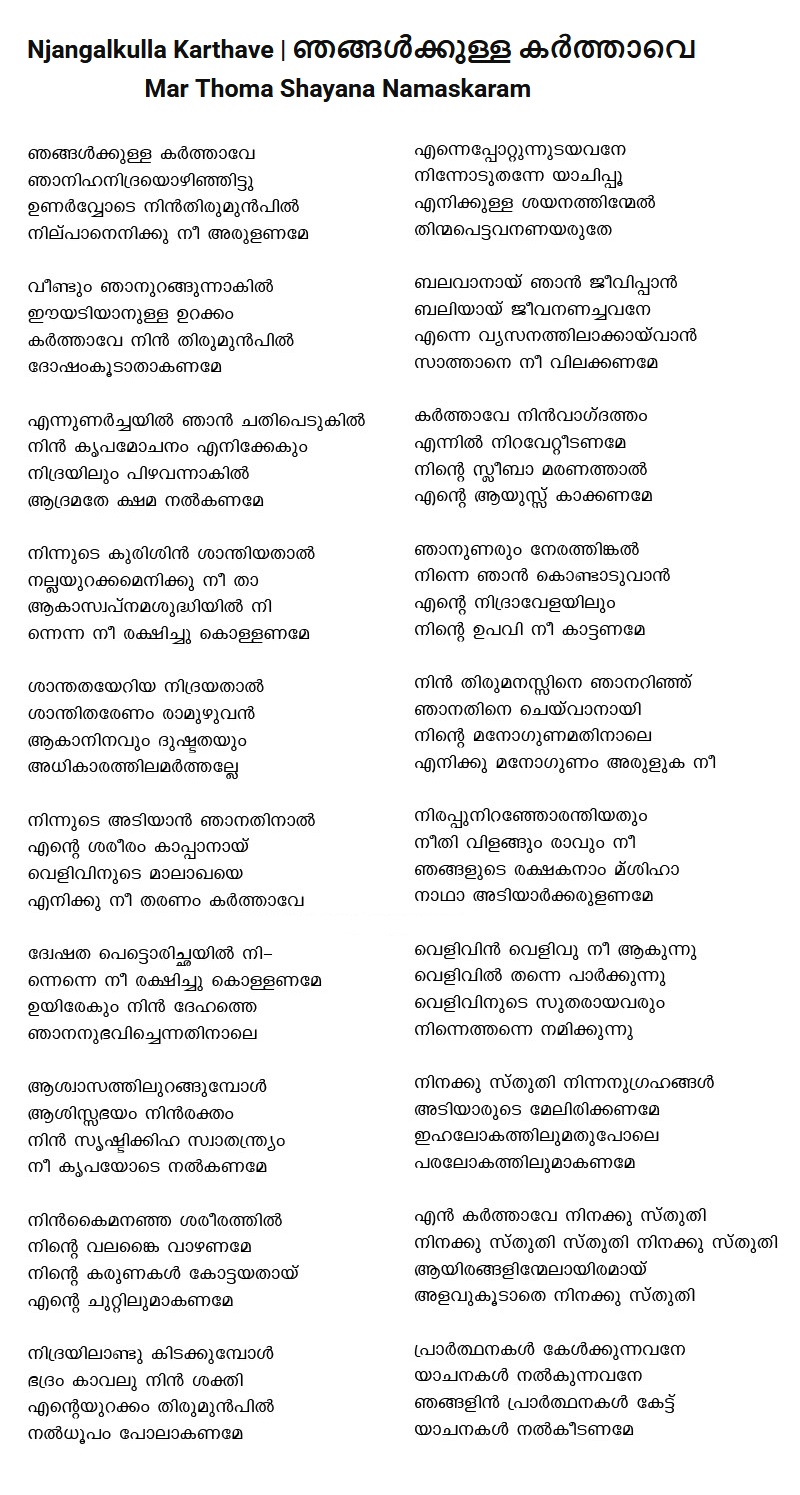
In 1897, he established Thazhakkara Mar Thoma Church and started a library for the parish. Achen is the author of The Shayana Namaskaram– (prayer song usually sung with the evening family prayer or public worship) “njangalkullha karthave…” which is still used by many Kerala Christians. Many Malayalaee Christian groups also use it for their common evening worships during the lent season.
Stephanos Kathanar was called to his eternal home on 20 Nov 1904.
Achen’s grandson Dr. Samuel Mathai was the Vice-Chancellor of the Kerala University.
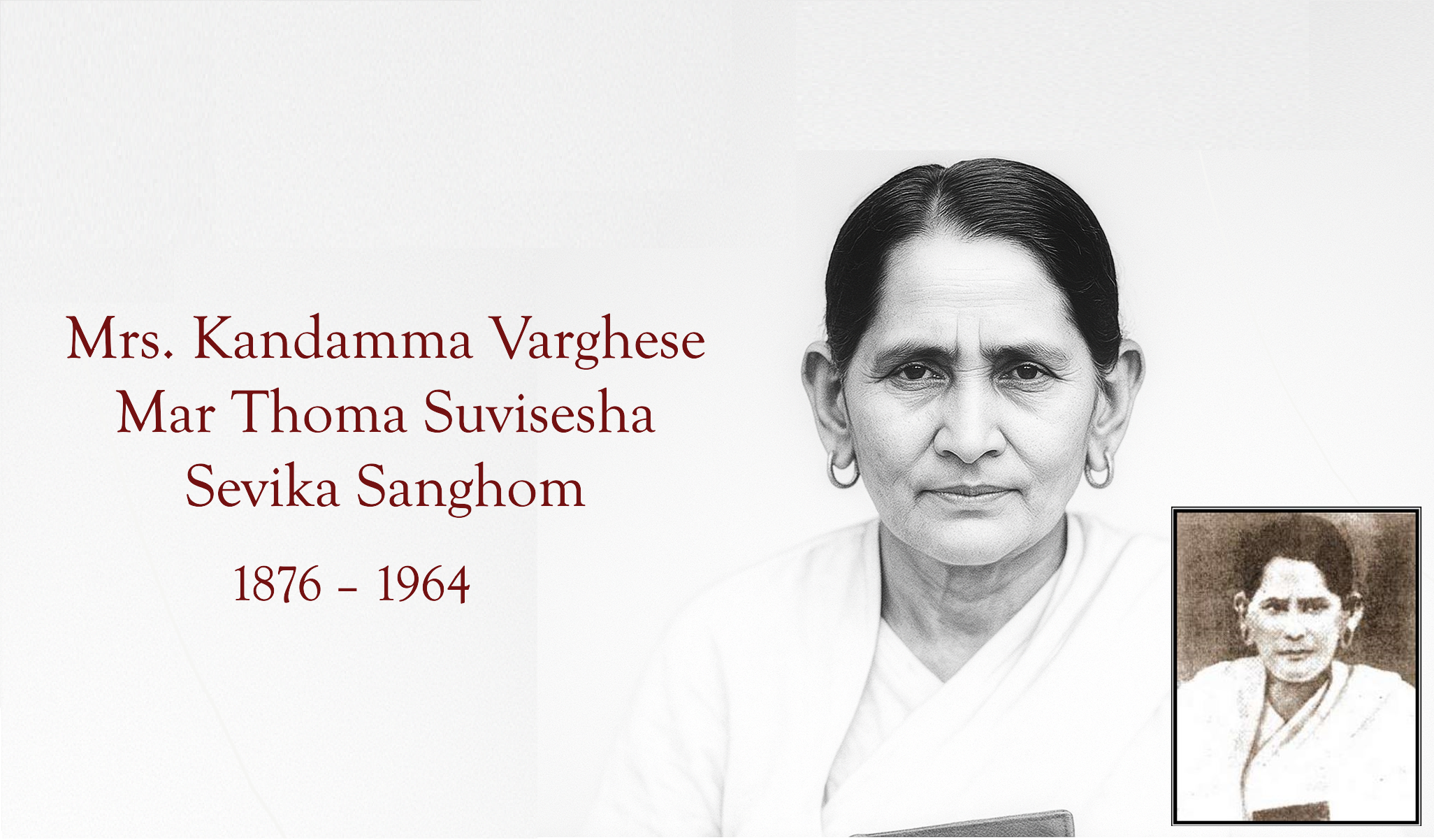
“The Mar Thoma Suvisesha Sevika Sanghom owes much to the self sacrificing work of Mrs. Kandamma Varghese who worked untiringly as the Organizing Secretary for over 20 years, traveling far and wide, organizing branches in the parishes, doing evangelistic work among Christians, building up the work in parishes.” ~ The Mar Thoma Church, Heritage and Mission – Alexander Mar Thoma Metropolitan.
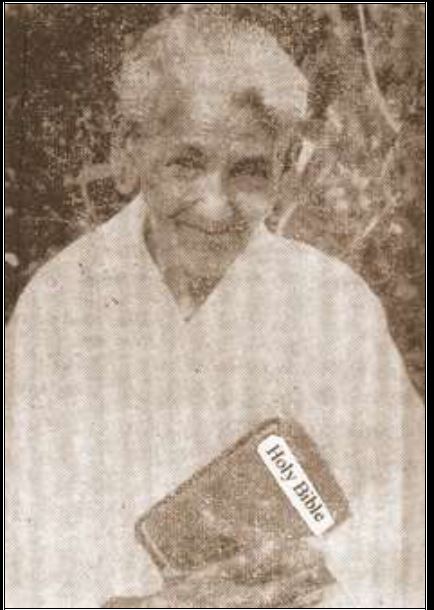
Mrs. Kandamma was a modest person in wearing jewellery. She used to request people who had more than one gold chain to donate the second one for gospel work. Due to Kandamma’s loving approach to the wife of Diwan Bhadur Dr. V. Varghese sold her ornaments and donated the money for the construction of the Salem Orphanage in Tiruvalla.
The Mar Thoma Suvisesha Sevika Sanghom was established in 1919 during the Maramon Convention, under the leadership of Abraham Mar Thoma Suffragan Metropolitan, who gave the women’s organization continuous support and inspiration. Mrs. Kandamma Varghese (born 1876), Chruthuruthiyil, Thumpamon was the first traveling, organizing secretary of the Sevika Sanghom.
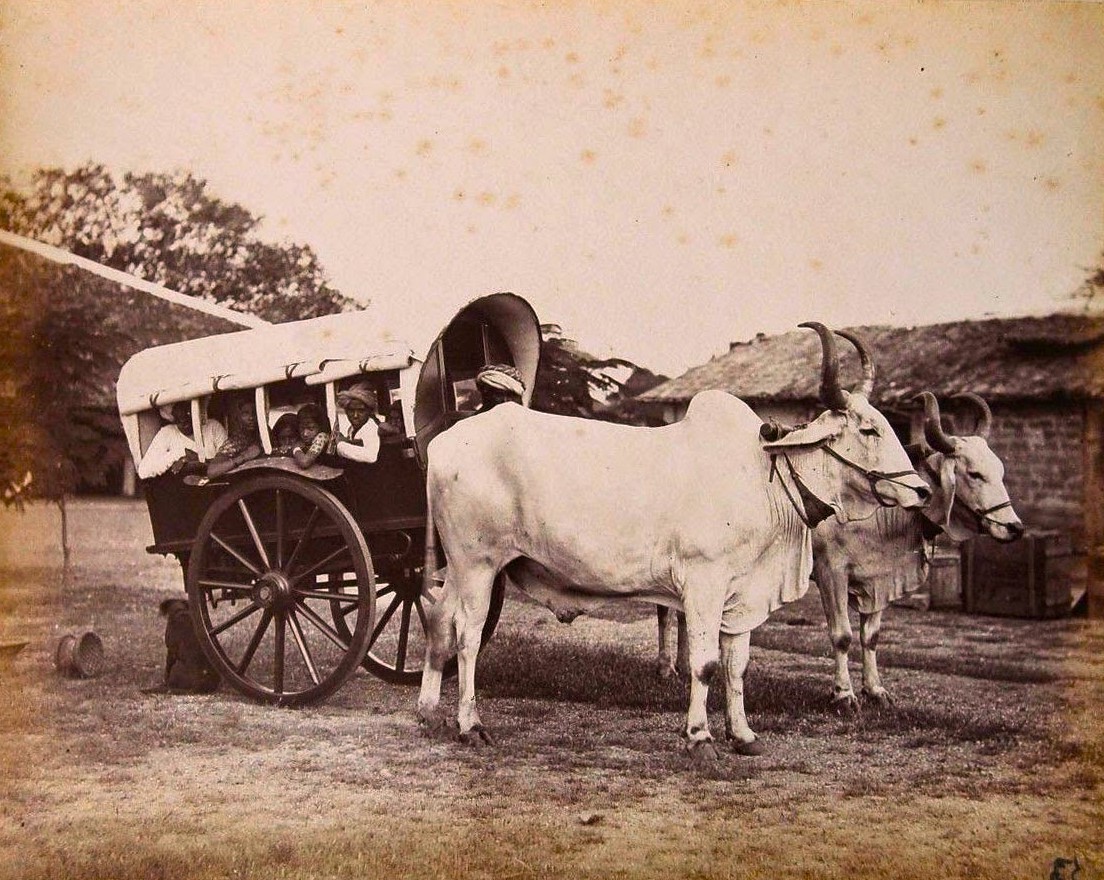
Bullock Cart transport (for illustrative purposes)
During the nearly 20 years of service she travelled far and wide to almost all corners of Travancore. In those days there were no proper roads, so she had to walk miles to her work and used bullock carts to visit distant places. One of her annual reports submitted to the Sevika Sanghom reads like this: “Visited Puthen Cavu, Kundara… (Names of so many parishes are given), etc. Conducted 101 special meetings for women, 38 meetings for girls, visited 236 Christian homes, 70 non Christian homes, personally interacted with 415 people, distributed 700 tracts, 90 gospel portions etc…”
After serving many years as a Traveling Secretary, she became the General Secretary of the Sanghom. She put a firm foundation for the smooth running of various departments of the Sevika Sanghom. When the Sanghom started the Salem Bhavanam (Orphanage) in 1923, Kandamma took up that responsibility as well. She adopted orphan children who were previously looked after by Mrs. Sosamma Eappen of Kotturethu Chengannur.
Kandamma spent her final days in Perumbavoor with her son Mr. C. V. Koshy who was the headmaster of the Ashram High school there. She was called to her eternal home on 9 November, 1964 at the age of 88. In her memory, the Mar Thoma Suvisesha Sevika Sanghom has collected a Memorial fund of Rs.15,000 (in 1964 this was a big amount) and the interest collected from this fund is still being used for the theological education of the women who are willing to do full time Gospel work.
She leaves behind a glowing legacy of her work in Kerala to inspire more young women of the church.
Mrs. Kandamma Varghese – Mar Thoma Suvisesha Sevika Sanghom
Read more details in our free pdf E-book which is also an excellent resource for Sunday Schools and church organizations.
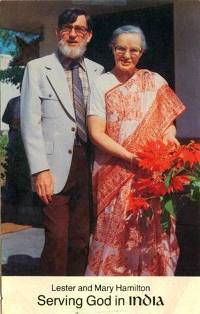
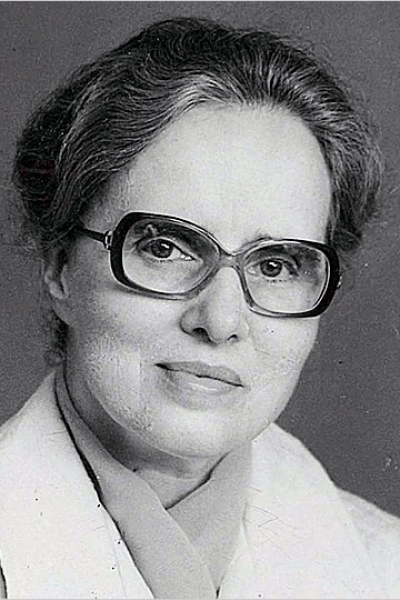
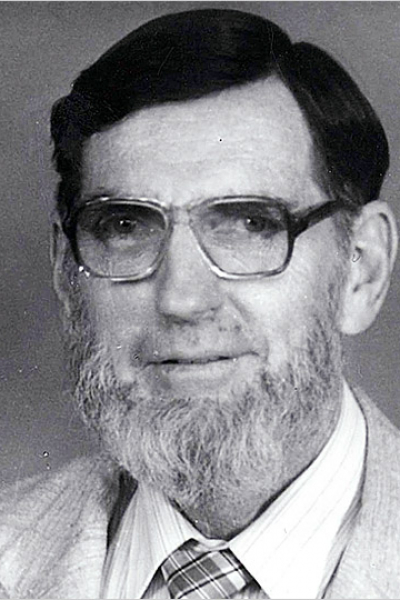
The Hamiltons (American Missionaries,) arrived in India in 1951 and were given only a brief period of language study before being plunged into the activities of the South India Bible Institute in Bangarapet, Kolar District, Karnataka. But they both continued to learn Kannada throughout their ministry in India, and found themselves quite at home with the language.
In 1952, Mrs. Mary Hamilton was requested to prepare materials for a model Vacation Bible School, and this was so well received that it has grown to become an annual event in many parts of India, and other countries in the world.
When Mary Hamilton, along with her husband, Lester, first arrived in India as missionaries in 1951, they had no idea that they would be part of starting a movement for Vacation Bible Schools that would bring the message of the gospel to countless children and continue to grow for decades to come.
Mary’s life began far away, in a Christian home in Schuyler Falls, New York. She and Lester met and were married in 1946 while pursuing graduate degrees at Asbury Theological Seminary (Kentucky). Lester was born in Newton, Kansas, into a Christian family that nurtured his spiritual growth. They applied for missionary service with World Gospel Mission and were appointed as missionaries to India. Lester wrote that he and Mary walked in confident assurance because of God’s promise in Hebrews 13:5: “I will never leave thee, nor forsake thee.”
Lester and Mary began serving at South India Bible Institute (now South India Biblical Seminary), which was founded in 1937. While teaching a variety of subjects, they also accompanied students on ministry trips to surrounding villages, mentoring students as they practiced sharing the message of Jesus Christ. Mary served as a homemaker, a hostess, a counselor, and a teacher with specialization in Christian education. They also raised three children: Joy, Paul, and Becky, who were educated at boarding schools.
Students at SIBI were looking for an outlet to reach out to the younger generation, and, with Mary and Lester’s dedication, founded the VBS ministry in India. In 1952, the first VBS program was held for 75 children. The Hamiltons became responsible for training VBS teachers, writing curriculum, and preparing materials. VBS teachers they had trained then returned to their communities, led VBS in their villages, and trained more leaders throughout India. As the ministry grew, Bangalore was established as the ministry’s headquarters.
Lester and Mary began to sense God calling them to work full time with VBS. After 10 years of service at SIBI, the Hamiltons moved to Bangalore. Mary developed VBS curriculum, while Lester designed VBS centers and constructed new ministry buildings in Bangalore. In a 1971 Call to Prayer article, Mary wrote: “The development of Vacation Bible School students into steady Christian leaders is one of the sweet rewards of this ministry.” Just 14 years after the first VBS was held on SIBI’s campus, over 50,000 children were regularly participating in VBS programs.
The ministry exploded beyond what anyone could have imagined, and today, over two million children are being reached annually, in 13 different languages, throughout India and surrounding countries. Thousands of children have come to know the Lord through VBS.
In 1978, Lester and Mary turned VBS over to Indian leadership and returned to serve at SIBS. For eight years, the couple taught classes, helped in construction, and maintained their involvement with VBS. Lester and Mary officially retired in 1986 after 35 years of service in India with WGM. Mary passed away on August 12, 2013, at the age of 89. Lester passed away on December 29, 2009, at the age of 88.
Rev. and Mrs. Hamilton were highly regarded teachers at the South India Biblical Seminary in Bangarapet, in Karnataka. They both were talented and have enriched the lives of many who came in contact with them. Their many and varied contributions to the ministries of South India Biblical Seminary and the Vacation Bible school movement will not be soon forgotten and we thank God for having brought them to serve in India.
A Tribute to Rev. Simon Abraham B.A., G.Th. (1927-2024)
(U.C. College Alwaye, L.T. College Jabalpur) Cherukara Bungalow, Ayroor North, Pin: 689612
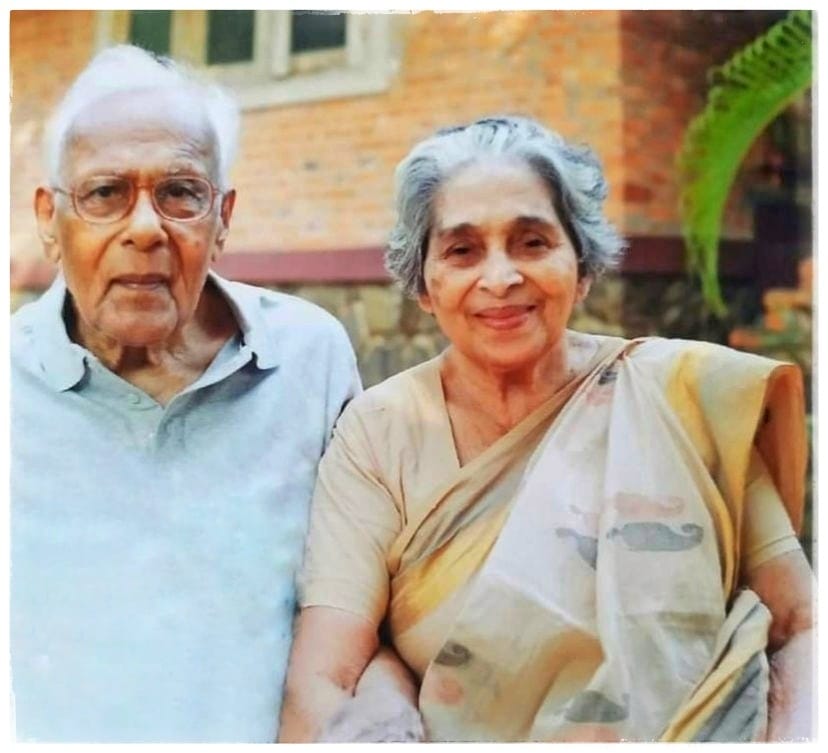
Rev. Simon Abraham and Aleyamma Kochamma
Rev. Simon Abraham was a senior priest in the Mar Thoma Church, known for his unwavering faith, dedication to ministry, and compassionate service to all people. Born on July 18, 1927, he was a beloved priest who touched many lives through his pastoral care, self-discipline, and remarkable memory. His life was a true reflection of the words from Daniel 12:3: “Those who are wise will shine like the brightness of the heavens, and those who lead many to righteousness, like the stars forever and ever.” He was called to his eternal home on 3rd December 2024.
Early Life and Family Background
Rev. Simon Abraham was born to C.A. Simon of Cherukara, Ayroor, and Rahelamma of Valiyakalayil, Kuriannoor. His paternal grandfather, Rev. C.P. Abraham Kasseessa (1876-1940), was instrumental in founding the Mar Thoma Voluntary Evangelists Association in 1924. Achen’s great-grandfather, Very Rev. Philipose Malpan (1836-1894), was the Vicar General from Cherukara, Ayroor. His family heritage was steeped in spiritual leadership and service to the church.
Rev. Simon Abraham was a member of the Ayroor Chayal Parish, which played a significant role in shaping his spiritual journey. His early education included attending the Mar Thoma High School in Kuriannoor, where he laid the foundation for his future calling.
Ministry and Service
Rev. Abraham’s journey in the ministry began with his ordination. He was ordained a deacon on July 26, 1955, and a priest on May 21, 1959. He dedicated over three decades of service to the church, retiring on July 18, 1992. Throughout his ministry, he served numerous parishes across Kerala, India, and even abroad.
Among the many parishes he served were Pathanapuram (Salem MTC), Bethel, Kavugumcherri, Pidavoor, Kattanam, Thamarakulam, Nuranadu, Chunakkara, Thazhava, Kurathikkadu, Mavelikkara, Kallimel, Kayamkulam (Salem),Puthupally, Paruthippara (Tvm), Sreekariam, Vithura, Kuriannoor (St.Thomas), Perumpara, Ayroor Chayal, Poovanmala (St.Thomas), Kalampala, Edapavoor (Bethel) in Kerala, and in cities like Bombay (Dadar), Kalyan, Ambernathu, and Bhopal (St.Peter’s and St,Paul’s), Indore. Rev. Abraham also served in Dubai (May 1978- April 1981), Sharjah and Ras Al Khaimah. His time as a missionary in Kayamkulam – Tharamel Kadapuram (Sea Coast) Mission and Bhopal Mission Field left a significant impact, as he worked tirelessly to spread the Gospel and serve the community.
Achen’s additional duties included coordinating Dalit parishes in the Ranny-Nilakkal Diocese. He was also deeply involved in community service, not just within the church but with people of all faiths, ensuring that everyone felt welcomed and cared for.
Family and Personal Life
Rev. Abraham’s personal life was intertwined with his ministry. He married Aleyamma (Ponnamma) B.A., a former staff member at the University of Kerala who resigned from her job after their marriage. Together, they created a home full of warmth, faith, and service. Kochamma (Ponnamma) was not only a loving partner but also a true friend, counsellor, and strength to Achen throughout his ministry. Aleyamma Kochamma passed away on 17 October 2021 (age 84).
Rev. Abraham’s children—Ray Abraham (married to Georgie Eappen), John Abraham (Joe, married to Liza), and Sim Abraham (married to Romy)—were an integral part of his life. His family was a source of joy and support, with their home in Ayroor being a place of welcome for anyone in need.
Rev. Simon Abraham and Aleyamma Kochamma in 1978 – Dubai MTC
Legacy: The Acronym SIMON ABRAHAM
Rev. Abraham’s name is synonymous with service, faith, and dedication. His life can be encapsulated in the acronym SIMON ABRAHAM, which reflects his character:
Simple, always with a smile, successful because self-disciplined and content.
Inspiring
Memory was outstanding; once if he has met a person, he would remember their name and where abouts. God blessed him with good memory till the end.
Others were his concern.
Never slacking, always moving with an aim and purpose.
Aiming high to win souls for Christ his only master.
Burning zeal for the Lord.
Running the race faithfully, till the Master called him home.
Always available.
Home was open to all at all times
Accepting the limitations and restrictions, he was alert and fulfilled the call and great commitment to the Great Sheperd.
Model family – Kochamma (Ponnamma) was a true friend counsellor, leading light, and strength to Achen in his ministry. Her children would call her Blessed.
A Shepherd’s Heart
Rev. Simon Abraham was a devoted priest who cared deeply for everyone in his parish, regardless of their religion, caste, or creed. Both Achen and Kochamma were known for their selfless house visits, offering comfort, counselling, and prayers to everyone they met. Achen’s genuine concern for people, both Christian and non-Christian, made him a beloved figure in the community. Non-Christians eagerly awaited Achen’s visits, finding solace in his prayers and thoughtful counsel.
Final Years and Home Call
Rev. Simon Abraham’s faithful service continued until his retirement in 1992, after which he lived a life of prayer and reflection. On 3rd December, 2024, he was called to his eternal home at the age of 97. His passing was a significant loss, but his legacy lives on in the lives he touched and the ministry he led.
Rev. Simon Abraham will always be remembered for his dedication to Christ, his love for people, and his exemplary life of service. His memory remains an inspiration to all who knew him, and his life continues to shine as a beacon of faith and compassion for future generations.
“But as for you, go on your way until the end. You will rest and will arise to your inheritance at the end of the days.” ~ Daniel 12:13
Personal Note from Editors
Rev. Simon Abraham was a former student of our Kuriannoor Appachen (Headmaster N. Joseph) at Mar Thoma High School Kuriannoor. We had the honour of Achen conducting our Holy Matrimony at the Anglican Church (Holy Trinity) in Dubai in 1979. Throughout his retired years in Ayroor, we remained in close contact with Achen and his family. He was a steadfast supporter of our Nalloor Library website, and his encouragement meant a great deal to us.
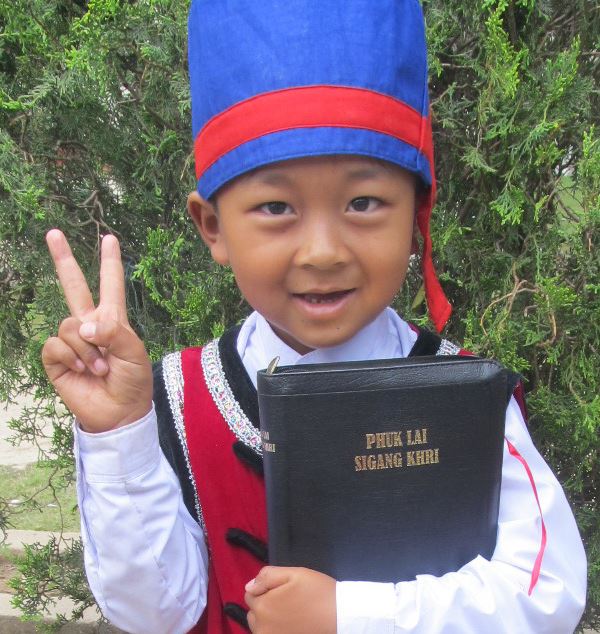
The First Sunday of December is observed as Bible Society Day. It was the British and Foreign Bible Society, established in London in 1804, that first made a concerted effort of translating, printing and publishing Bibles in different languages.
In India, it’s auxiliaries were formed in Calcutta (1811), Bombay (1812), Madras (1820) and in Kerala (1956). Other auxiliaries were formed later. Even before the formation of the auxiliaries in India, the work of translation of the Bible to Indian languages had been taken up by William Carey and his associates in Calcutta. In obedience to the commandment of the Lord “Go ye unto the uttermost corners of the earth and preach my gospel”, the Bible Society aims at making available, copies of the Bible, New Testaments and portions of the Bible to
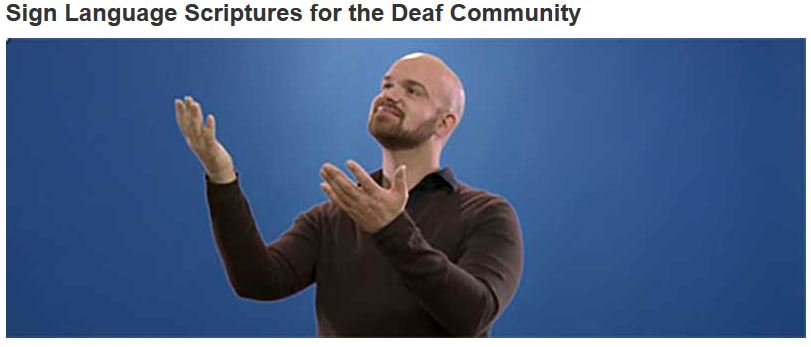
1.To Every Person in his/her own language.
2.At a price within his/her reach
3.In a style which is easily understood
It is in pursuance of this objective that it brings out special editions for students,members of the armed forces, in Braille type for the blind, etc. The United Bible Society distributes an average of 32 million full Bibles each year. In addition to that, they distribute enough New Testaments and Scripture portions to potentially reach 5% of the world’s population each year. In 2012 they distributed over 405 million Scripture items.
They also manage a growing social media ministry on Facebook and other social networks. The Digital Bible Facebook page reaches millions of young adults every year. 71% report it helps them apply the Bible’s teaching to their lives. https://www.facebook.com/UnitedBibleSocieties
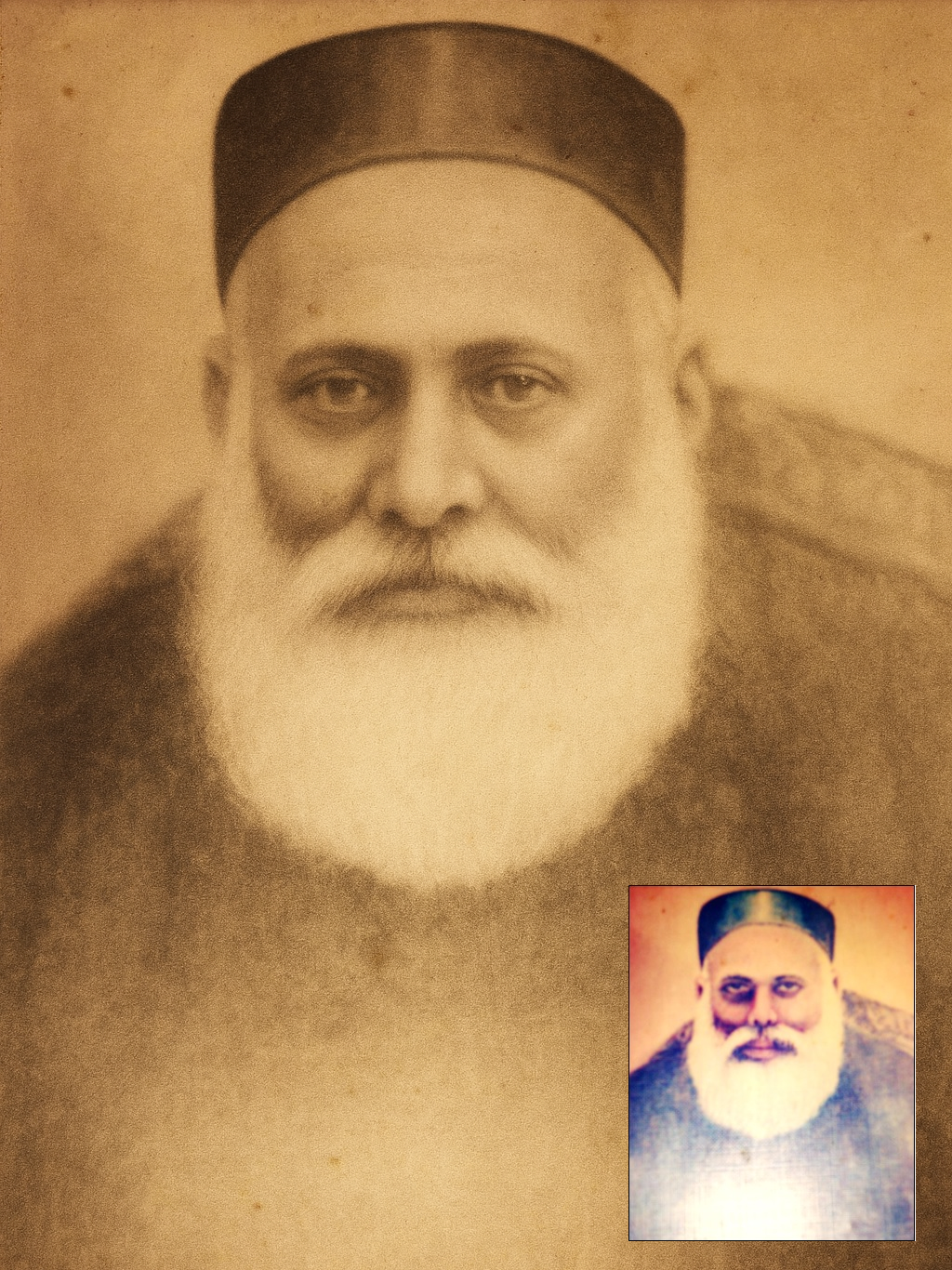
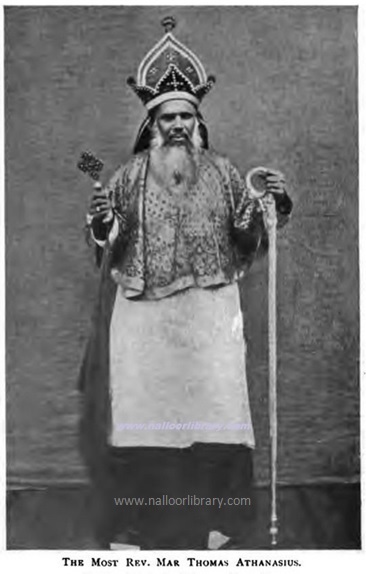
Thomas Mar Athanasius Metropolitan (Mar Thoma XIV) Photo from The Indian Christians of St. Thomas by William Joseph Richards (1908)
12 July, 1889: Seminary Case Judgment. In 1879 a case was filed in the district court of Alleppey by Bishop Joseph Mar Dionysius against the then Metropolitan of the Church Most Rev. Thomas Mar Athanasius.
Mar Dionysius prayed to the court to declare him as the rightful Metropolitan of the Malankara Church and also requested the court to evict Mar Athanasius and his followers from the Old Seminary building in Kottayam. The final verdict of this case came on 12 July 1889 from the Royal Court of Travancore. Two Judges decreed that Joseph Mar Dionysius was the rightful Metropolitan of the Malankara Church as he expressed allegiance to the Patriarch of Antioch. One Christian judge gave the verdict in favour of Thomas Mar Athanasius because of his conviction that the Malankara Church has been an independent Church from the beginning. The Majority view prevailed and Thomas Mar Athanasius had to leave the Old Seminary and the properties of the Church, because he upheld the autonomy of the Mar Thoma Syrian Church. This led to the formal division of the church into two sections: the Mar Thoma Church and Jacobite Church.
The followers of Mar Athanasius got the Kottarakkara church without a duel, they got the Maramon and Kozhencherry churches through court decision, and was given the right to conduct services on alternate Sundays in five other churches. They put up small sheds in other places to hold worship services.
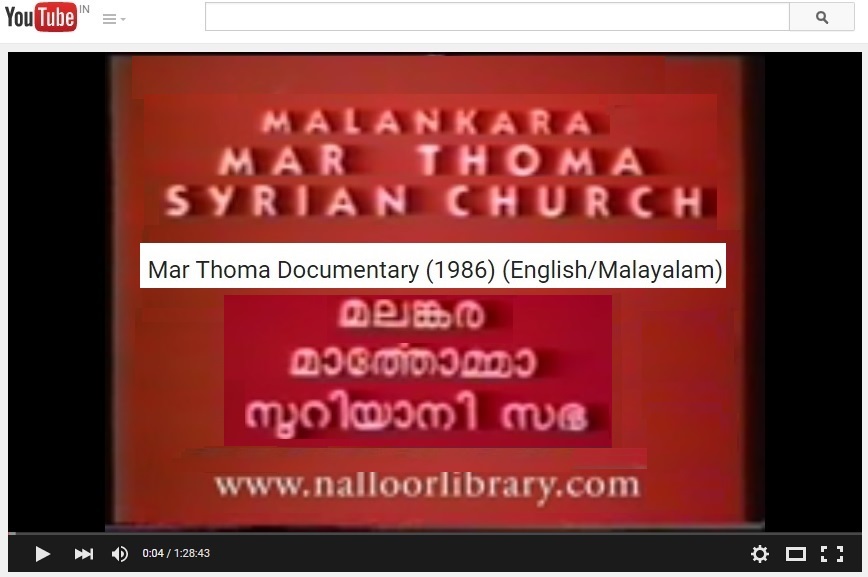
To learn more about Mar Thoma Syrian Church History – watch this Special Documentary with rare footage on the Malankara Mar Thoma Syrian Church – (English/Malayalam) produced in 1986. It offers a peek into the history, rich culture and heritage of the Mar Thoma Syrian Church.
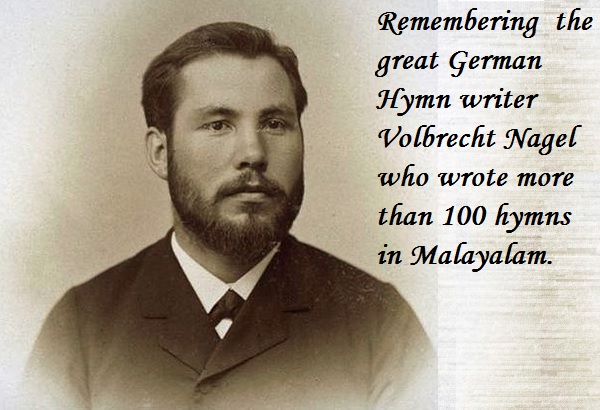
12 May, 1921: V. Nagel, author of “Samayamaam radhaththil” passes away. Born in Germany on 3 November, 1867, he came to India in 1893, as a missionary. Along with his wife Harriet, he worked in Kunnamkulam, North Paravur, Trichur and Kumbanadu.
He has written more than 100 hymns in Malayalam that is still sung by all denominations and churches in Kerala.
Hymns written by him in the Kristheeya Keerththanangal (Hymn Book of the Mar Thoma Syrian Church) are – Nos. 57, 144(135), 153(143), 155(145), 203(392), 214(199), 223(208), 238(216), 239(217), 242(220), 244(222), 287, 294(280), 298(284), 300, 301, 325(319), 374(257), 380(260), 382(262), 390(269), 402(294) ,405(353) and 411(354).
The song has been translated into 17 languages though it was originally written in Malayalam and even incorporated in a film.The song depicts the journey of ones life…but it is mistakenly interpreted as many as just a funeral song…but actually its just a song about ones journey from birth …to home ie heaven.
Read below about the great hym writer Volbrecht Nagel from an account by his son Karl Heinrich Nagel.
——————————————
The Story of Volbrecht Nagel
By his son, Karl Heinrich Nagel
This account of Volbrecht Nagel was found in an exercise book belonging to Karl Heinrich Nagel and was probably written in the early 1980s when Karl was in his 70s, was ill and his memory was failing. It has been written up by Karl’s daughter, Pauline Munns. February 2007
Volbrecht Nagel
Volbrecht Nagel was born to Heinrich Peter Nagel and Elisabeth May Nagel on the 3rd November 1867 in the village of Stammheim, Hessen, Germany. He was baptised on November 17th in the Lutheran church and Volbrecht Nagel II was his godfather. He appears to have lost his parents at a young age and to have been taken over by a Mr and Mrs Bindewald, who educated him. He was brought up according to the Lutheran Church. He appears to have been ordained as a Pastor at the early age of 20 and to have been sent as a Lutheran missionary to Cannanore, Malaba (now Kerala State). He served the Lutheran Church until about 1892 when he left them owing to doctrinal differences. He had no money at the time and began to walk barefoot, trusting the Lord to lead him to the place where he could start a work for Him.
Volbrecht Nagel
Harriet Sabina Mitchell Nagel
Eventually he came to a place called Kunnamkulum, in Cochin State, where he met a small group of Christians, who called themselves Brethren, and worshipped God in a simple manner without a pastor. He believed that this was where the Lord would have him work for the time being. It was while he was here, building up the church, that he met and married Harriet Mitchell, on 1st April 1896, who gave him his first two sons, Samuel Frederick (1.1.1898) and Theodore Ernst (10.3.1899).
When he saw that the believers were well established and capable of carrying on by themselves, he moved with his wife and two sons, to a place called PARUR, also in Cochin State, and began a work for the Lord there. Here his third son, Gotlob Volbrecht was born on 8.8.1900 and his first daughter Olive Margaret on 31.12.1901. About this time my mother decided that she should take a nurse’s training so that she may be more qualified to work as a missionary’s wife, so she went to Madras and qualified in a short midwifery course, and returned to the family at Parur.
Considering that the believers were well established in the faith, my father moved, with his family, to British Cochin. Here his fourth son, Karl Heinrich was born on 17.11 1905. Two [other]children were also born, Wilfried Adolf and Elsa Hope but they died as infants and were buried in Hosur Road cemetery, Bangalore.
The Volbrecht Nagel Family With Harriet’s sister, Josephine Mitchell
Seeing that the work was well established at British Cochin, my father decided to move, with his family to Trichur in Cochin State. The time had now come for the education of his children, and as there were no English schools in Trichur, he made arrangements for the four older children to go to Bangalore for their education. I was sent to school in Bangalore in January 1914. During these years my father developed the work at Trichur. Besides the assembly work, he opened a girls’ orphanage, which still flourishes.
As my brother Samuel and Theodore’s futures had now to be considered, my father took them to London, presumably about March 1914, to apprentice them there as engineers. That was the last his three younger children saw of him. On his way to London he called at Stammheim with my brothers for a few days. After seeing that they were settled in London, he went to the Bible School at Berlin, intending to visit his relatives once more before returning to India. Unfortunately for him, World War 1 broke out, and, being a German, he was not allowed to return to India. The problem now arose of joining the German army, which was compulsory, a thing he said he would never do, being a Christian. He prayed about the matter and asked the Lord to open the way for him to cross over into Switzerland, which was neutral. He made the attempt one night, and the Lord undertook by making the frontier guards very sleepy, so that they carelessly examined his passport and allowed him through.
Volbrecht Nagel
When the war ceased in November 1918 my father sought permission to return to India but was refused. He therefore went back to the Bible School. (The Bible School had moved [from Berlin] to Wiedenest. He obtained a position on the staff until about February 1921 when he had a stroke of apoplexy. They cabled to my mother in India and she left immediately. Ironically the English government gave him permission to return to India just then but it was too late. My mother nursed him until he passed away on May 12th, 1921. He was buried in the cemetery adjoining the Bible School. My brothers Samuel and Theodore went from England to attend his funeral. Mr and Mrs Bindewald,who brought him up also attended because, they said, he was the means of their salvation.
A Mr. Kocher, a missionary from India, also attended as he was in charge of a girls’ orphanage at Irinjalakuda, very close to Trichur, during my father’s time there. After the funeral my mother visited his relatives at Stammheim and stayed with them for a short while before returning to India.
This post reflected an error that incorrectly stated 21st May as the day of death. The correct date is 12th May 1921. Thank you to @schneid9 for pointing out the error and providing the following sources:
· Echoes of Service 50 (1921), p. 144 · Varghese Mathai: “The Malabar Mandate: A Life of Volbrecht Nagel” · Johannes Warns’ diary (forthcoming; Warns was head of Wiedenest Bible School, where Nagel died)
We welcome our readers for helping us fact-check and provide more accurate information.
An undated early photo of the Maramon Convention. (www.marthoma.in)
The first Maramon Convention was held from 9th March (Friday) to 18th March (Sunday) in 1895 at the Parapuzha Manalpuram of the River Pamba (the location was situated between the famous Aranmula Temple and the Maramon Church) about one kilometer away from the present venue. It was a ten day event.
The pandal (tent) could accommodate about 7000 people. Mr. David and Mr. Wordsworth, both missionaries from Ceylon (today known as Sri Lanka) were the main speakers of the convention. Mar Thoma Metropolitan Titus I gave the leadership for the convention meetings. Deacon Kakkasseri Varghese of Kunnamkulam (7 July 1867 – 4 June 1897) translated the messages from English to Malayalam for the audiences to understand.
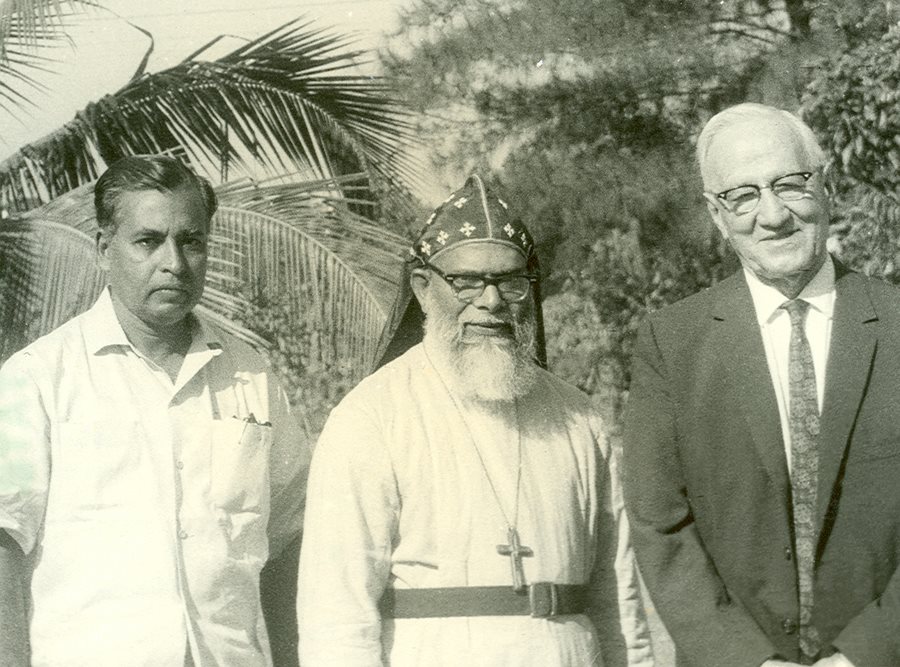
E.Stanley Jones (right) with Alexander Mar Thoma Metropolitan (middle) with an unidentified friend at Sat Tal Ashram, India. (Photos from E. Stanley Jones FB page)
Dr. Eli Stanley Jones was born in Baltimore, Maryland, USA on 3rd January 1884. He was a faculty member at Asbury College, Kentucky, USA when he was called to missionary service in India in 1907 under the Board of Missions of the Methodist Episcopal Church.
He was one of the main speakers of the Maramon Convention from 1921-1970. His messages combined evangelistic challenges with social concerns. The Maramon Convention is one of the largest Christian convention in Asia, and is held at Maramon, Pathanamthitta, Kerala, India annually in February. The venue is on the vast sand-bed of the Pampa River next to the Kozhencherry Bridge. It is organised by Mar Thoma Evangelistic Association, the missionary wing of the Malankara Mar Thoma Syrian Church. The 124th Maramon Convention is happening in 2019.
“For more than half a century Dr E. Stanley Jones proclaimed the Gospel of Christ and applied it to people’s personal, social, national, and international problems. He moved among statesmen and among leaders without portfolios as counselor, friend and worker for peace and goodwill.
Dr Jones became a friend of Mahatma Gandhi and wrote an appreciative biography of Gandhi. In 1950, Dr. Jones provided funds for India’s first Christian psychiatric center, and clinic currently known as Nur Manzil Psychiatric Center and Medical Unit at Lucknow, Uttar Pradesh, India.
~ http://www.facebook.com/SattalAshram”
In 1946, with the help of friends in USA, he donated the first loud speaker setup to the Maramon Convention. He is also the founder of the Sat Tal Christian Ashram movement, Nainital, Uttarakhand, India. He died on January 25, 1973 in his beloved India.
In the 1920s, India began to develop greater appreciation for its own history and culture and greater pride in its own unique contributions to world civilization. Stanley Jones was one of the very first to realize the possibilities that this change in India’s intellectual and spiritual culture created for Christianity and especially for Western Christian missionaries. But he could not fully understand the astounding scope and depth of the possibilities without experiencing the history and culture of his adopted country for himself. So, what better way to immerse himself in the ethos of India than to visit Indian ashrams?
This is exactly what he did. In 1923, he spent two months at Santiniketan, the ashram of the world-famous poet, Rabindranath Tagore. Three years later in 1926 he visited Gandhi’s ashram at Sabarmati.
It is no exaggeration to say that Jones’ visits to these ashrams changed the course of his life. In fact, in 1930, he established his own ashram as a spiritual retreat for Christians modeled on his experience with Ashrams in India. But this was only the first of hundreds of Christian ashrams that would eventually be established throughout the world. These ashrams are truly the work of the Holy Spirit as they continue to inspire, refresh, and renew thousands of Christians in many nations today. ~ From “Ordinary Man, Extraordinary Mission: The Life and Work of E. Stanley Jones” by Stephen A. Graham
Bishop T. S. Joseph speaking at the Maramon Convention while Bishop Alexander Mar Theophilus (Metropolitan Alexander Mar Thoma), E. Stanley Jones and Mr. Ramenpillar listen. (Photo from E. Stanley Jones FB page)
E. Stanley Jones (right) at the Maramon Convention with Bishop Abraham Mar Thoma Metropolitan (middle) and an unidentified friend. (Photo from E. Stanley Jones FB page)


 Facebook page reaches millions of young adults every year. 71% report it helps them apply the Bible’s teaching to their lives. https://www.facebook.com/UnitedBibleSocieties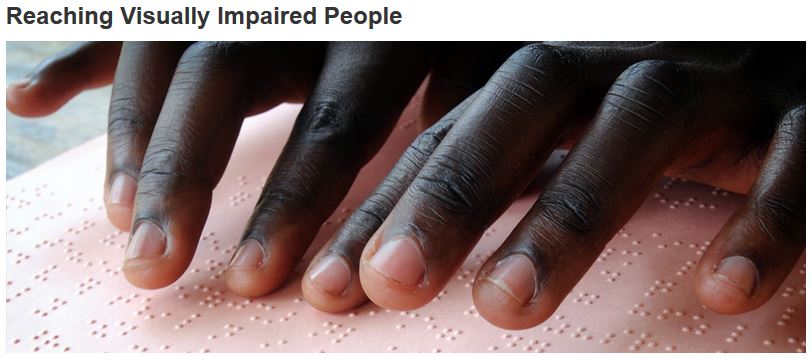







 Nalloor Library