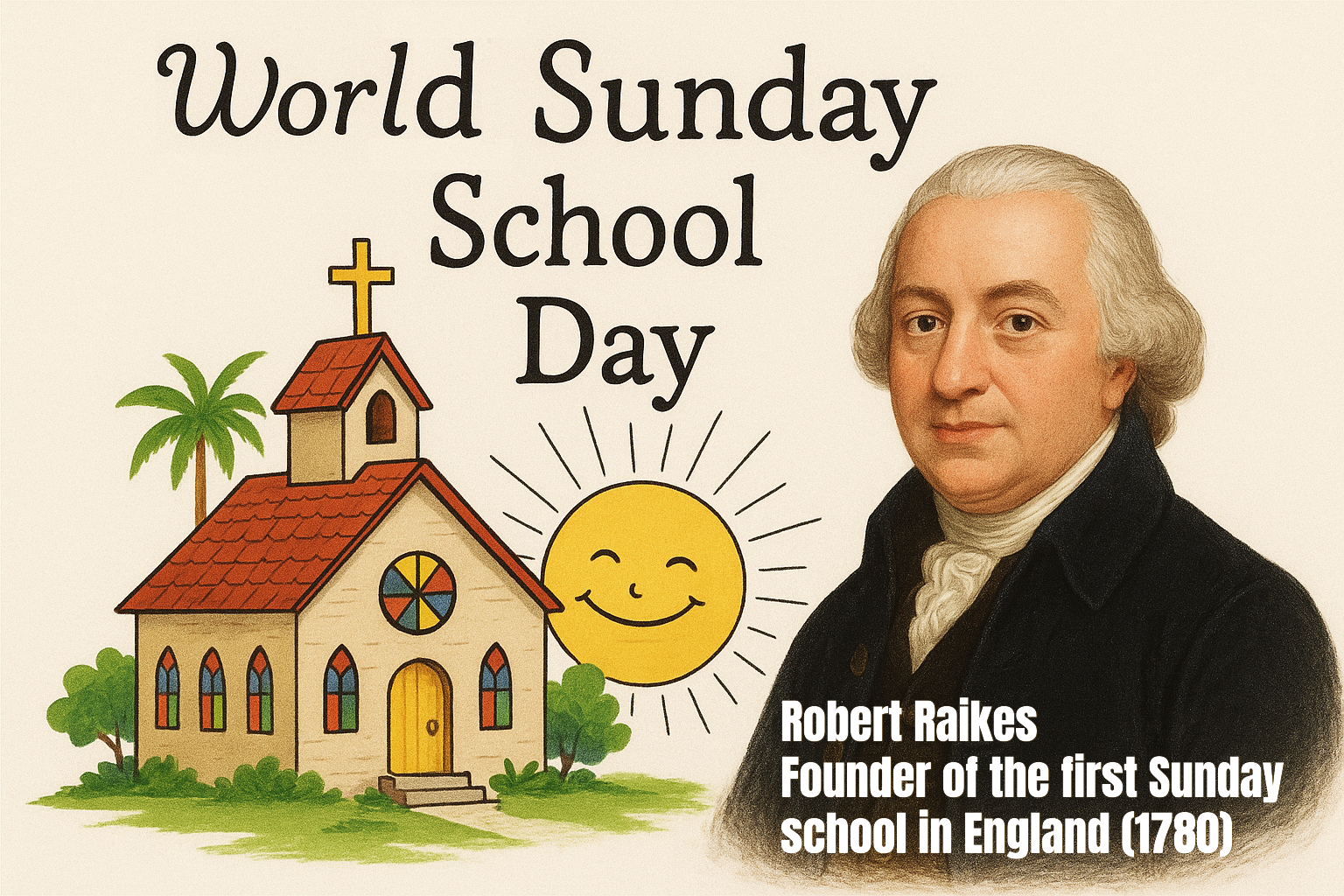
1st November 2026 : World Sunday School Day – The first Sunday of the Month of November is celebrated throughout the world as Sunday School Day. The Mar Thoma/ CSI/ CNI churches are celebrating Sunday, 1st November, 2026 as World Sunday School Day.
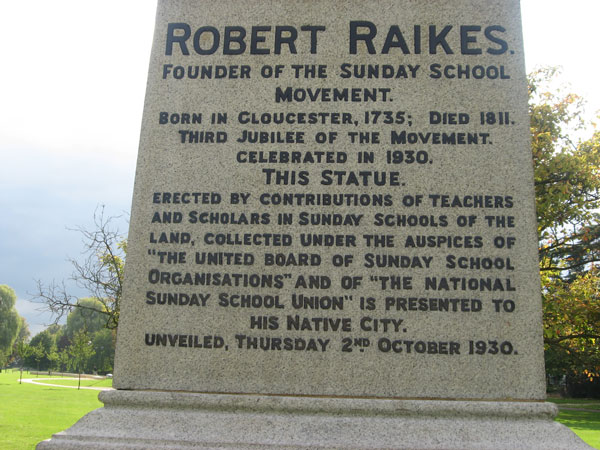
Robert Raikes (1735- 1811), an English Publisher, started the first Sunday School in the city of Gloucester in England in 1780. During the early days, reading, arithmetic and Bible was taught at the Sunday Schools.
Inscription on the tomb of Robert Raikes.
In 1809, Church representatives of the Malankara Churches held a meeting at Kandanadu Church, near Ernakualam to arrange facilities to teach children in the Church about religion, prayers and sacraments. The India Sunday School Union was founded in 1876.
The Mar Thoma Sunday School Samajam was established on 25 February 1905, at the Maramon Convention.
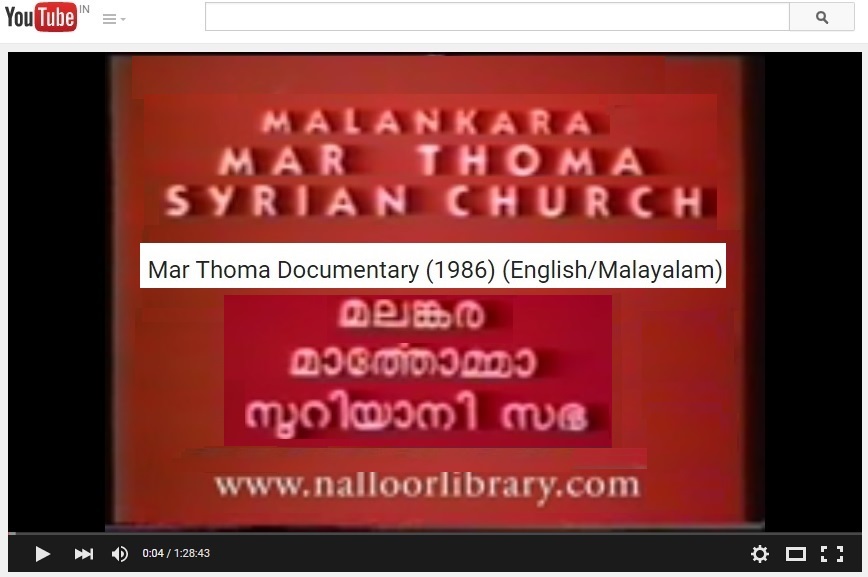
A Must Watch Special Documentary with rare footage on the Malankara Mar Thoma Syrian Church – (English/Malayalam) produced in 1986. It offers a peek into the history, rich culture and heritage of the Mar Thoma Syrian Church. A Malaysian presentation in conjunction with the 150th Anniversary of the REFORMATION in the Malankara Mar Thoma Syrian Church.
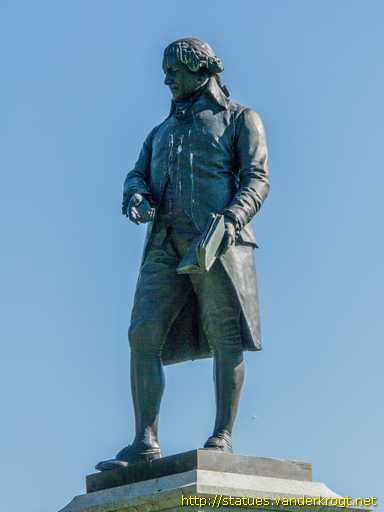
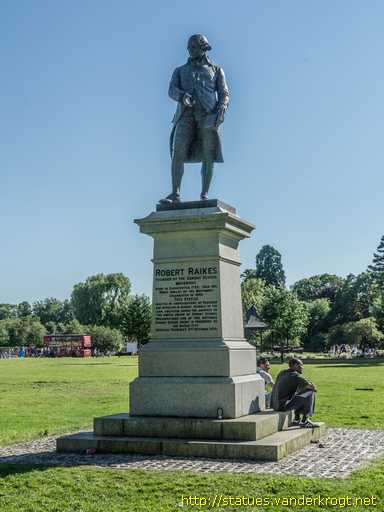
Children in Gloucester, Britain unveil statue of Robert Raikes, founder of Sunday School in 1930 to mark the 150th anniversary of the Sunday School movement.
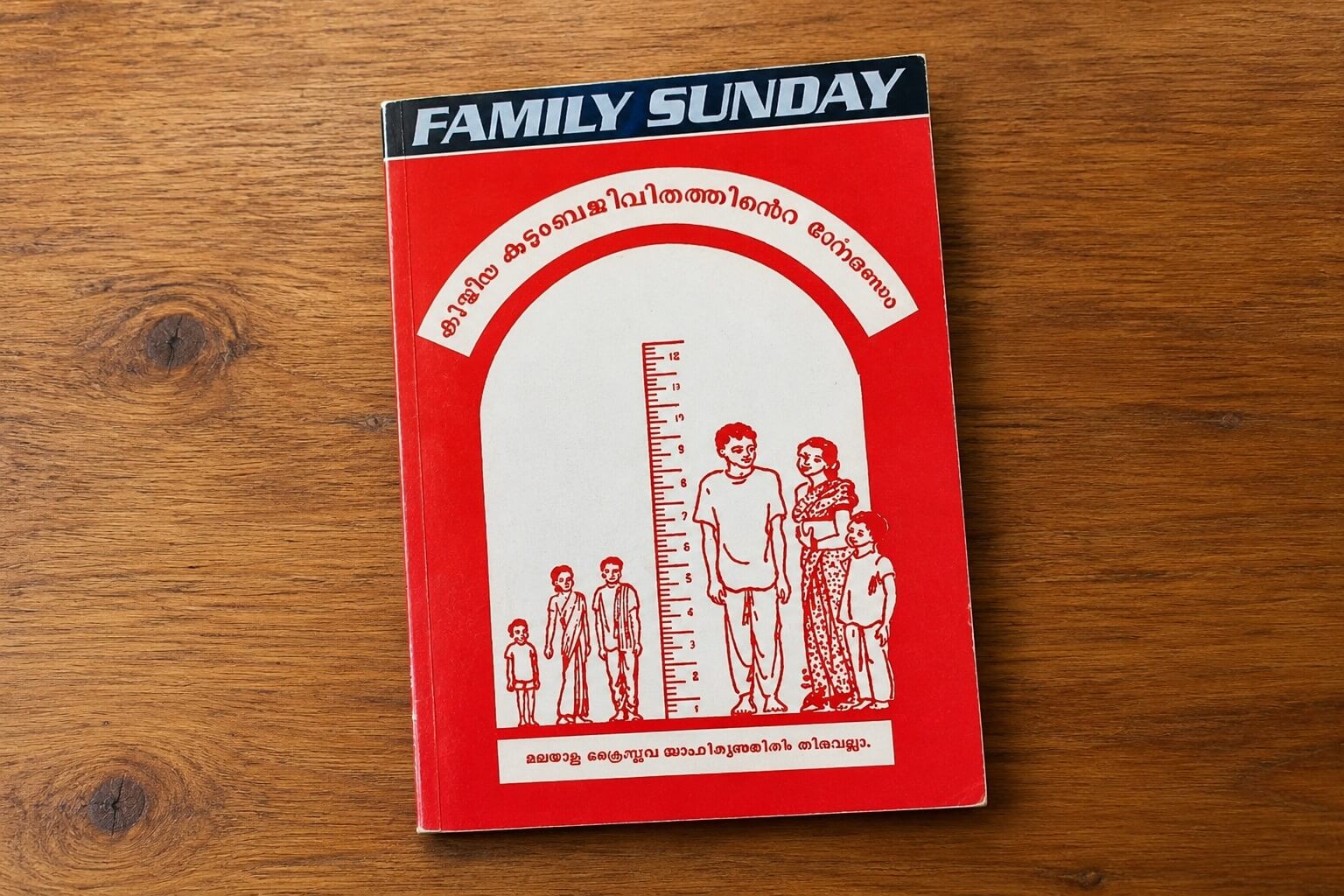
The Principles of Christian Family Life (Malayalam)
On 25th October 2026 (21st Sunday after Pentecost), Family Sunday is celebrated by the CSI church, CNI church and the Mar Thoma Syrian Church. This year’s motto is “Family: Celebration of Relationships”.
Download this free pdf Ebook published in Malayalam in 1951 that is still relevant to today’s Christian life. This book can be used as a resource for your Family Sunday service. The link can be shared and used by church members, parishes and church organizations. It can be accessed on any smartphone, tablet or computer for free.
Mar Thoma Parishes around the world will be celebrating “Mar Thoma Voluntary Evangelists’ Association Day” on Sunday 4th October 2026. Many in present generation do not know much about this organization established in 1924. Nalloor Library is republishing this article first released in 2024 for the centenary year celebrations. This write-up will give our parishioners and our youth a clear idea about Mar Thoma Voluntary Evangelists’ Association and its activities.
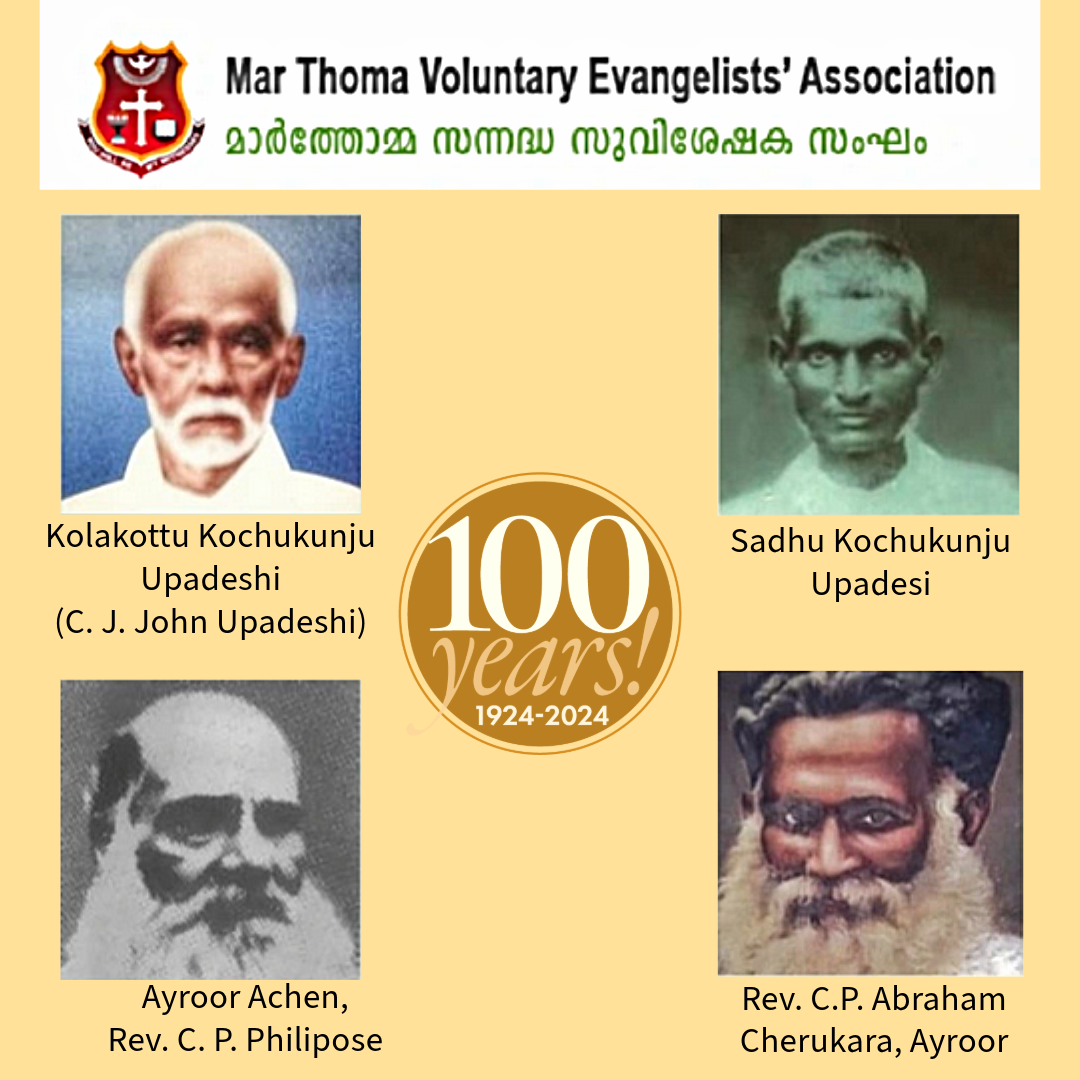
The Mar Thoma Voluntary Evangelists’ Association, established in 1924, is a recognized organization within the Mar Thoma Church celebrating its centenary year (100 years) on 23 August 2024. It is a time to reflect and remember the people who sacrificed and toiled selflessly to begin this great institution within the Mar Thoma Syrian Church. The reformation within the church ignited a strong desire among people for group prayer and Bible study. Rev. C.P. Abraham Kassissa initiated the inaugural prayer meeting at Chayal Mar Thoma Church, Ayroor, which later evolved into monthly gatherings.
The first anniversary meeting, presided over by Most Rev. Dr. Abraham Mar Thoma, took place at Sehion Mar Thoma Church in Ayroor. Subsequently, on August 23, 1924, as decided during the first anniversary meeting, a special assembly was convened at Chayal Palli. During this gathering, an association was formally established under the name “Malankara Mar Thoma Somedha Suvishesha Sanghom” which was later changed to its current form in English as the “Mar Thoma Voluntary Evangelists’ Association”.
. The following individuals were elected as office bearers:
President: Very Rev. C.P. Philipose Kasseessa
General Secretary: Sadhu Kochukunju Upadeshi, Muthampakkal, Edayarnmula
Travelling Secretary: Kolakottu C.J. John Upadeshi
This association began as a fellowship of dedicated believers who volunteered their efforts in God’s vineyard without seeking financial gain or personal motives.
The association’s activities are guided by a Seven Point Program:
Intercession
Bible Study
Sharing of Experiences
House Visits
Ministry to the Sick and Needy
Conducting Prayer Meetings
Spreading the Gospel among People of Other Faiths and Ideologies
Notable activities include:
Edavaka Mission
Gospel Team
Abraham Mar Thoma Memorial Bible Institute
Abraham Mar Thoma Memorial Convention
Abraham Mar Thoma Memorial Lectures
Monthly Intercession Prayers, including All-Night Prayer
Suvishesha Nilayam and Mission Fields
The camp center for these activities is the JMT Camp, which also serves as a research and meditation center located in Kombadi, Tiruvalla.
The Association manages three mission fields at Achencovil near Punalur, Mukkada near Ranny and Kalkulam near Chungathara. Its official magazine is the Tri-Monthly ‘Sandesam’ containing sermon notes, Bible studies, articles and the news about the association.
The Mar Thoma Voluntary Evangelists’ Association serves as the organization in the Church emphasizing the ministry of the laity in the Church. The Platinum Jubilee of the Association was celebrated in 1999 and the Centenary year will be celebrated 23 August 2024.
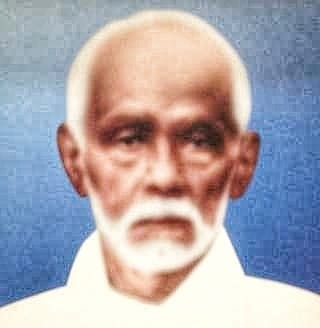
C. P. Abraham Kasseessa, Cherukara Chuzhukunnil, Ayroor 1876-1940
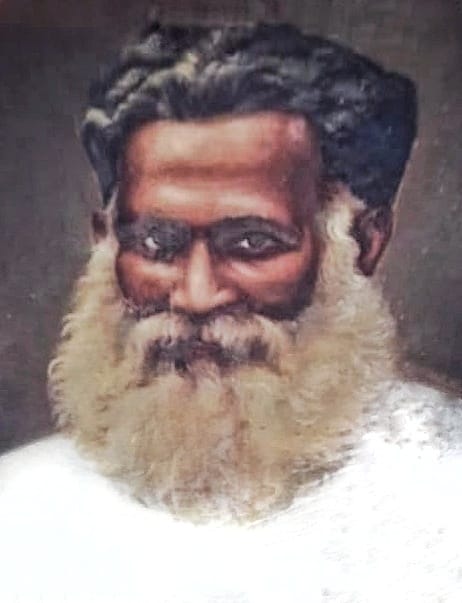
Rev. C.P. Abraham Cherukara, Ayroor
C. P. Abraham Kasseessa, hailing from Cherukara Chuzhukunnil, Ayroor (1876-1940), was the son of the Vicar General, Very Rev. Philipose Malapan (1836-1894), of Cherukara in Ayroor. Abraham’s ecclesiastical journey began after completing his Matriculation when he became a Deacon in 1897 and subsequently a Priest in 1898. His visionary zeal led to the establishment of numerous Mar Thoma Parishes in and around Ayroor, and it was his unwavering commitment that ultimately gave rise to the Evangelists’ Association.
During the Revival Movement (Naveekaranam), prayer groups emerged in various Mar Thoma Parishes. These groups dedicated themselves to Bible Study, Intercessory Prayer, and spreading the Gospel message. Under the guidance of Rev. C.P. Abraham Kasseessa, prayer groups from Kuriannoor, Ayroor, Maramon, and Kozhencherry convened at Chayal Mar Thoma Church, Ayroor. The inaugural meeting occurred on August 23, 1923, followed by monthly gatherings led by Abraham Kasseessa.
The first anniversary meeting, presided over by Abraham Mar Thoma Thirumeni, took place at Sehion Mar Thoma Church in Ayroor. Subsequently, on August 23, 1924, as decided during the first anniversary meeting, a special assembly was convened at Chayal Palli. During this gathering, an association was formally established under the name “Malankara Mar Thoma Somedha Suvishesha Sanghom” which was later changed to its current form. The following individuals were elected as office bearers:
President: Very Rev. C.P. Philipose Kasseessa
General Secretary: Sadhu Kochukunju Upadeshi, Muthampakkal, Edayarnmula
Travelling Secretary: Kolakottu C.J. John Upadeshi
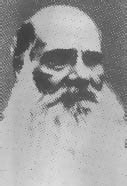
Ayroor Achen, Rev. C. P. Philipose
Ayroor Achen, Rev. C. P. Philipose
Ayroor Achen, Rev. C. P. Philipose (born. May 25, 1868, died. February 2, 1948), son of Ayroor Cherukara Naranathu Paruvelithundiyil Very Rev. Philipose Malpan and Mariamma Philipose (Chengannur Kanjipuzhethu).
After completing his Bachelor of Arts (B.A.), he was ordained as a deacon in 1892 and later as a priest in 1895. Rev. C. P. Philipose served as the vicar for various parishes in the vicinity of Kozhencherry and Ayroor. Many of the Mar Thoma parishes to the east of Kozhencherry owe their establishment to his dedicated efforts.
In 1890, Rev. C. P. Philipose assumed the role of General Secretary of the Mar Thoma Evangelistic Association, a position he held for over half a century until his resignation due to declining health. He provided steadfast leadership for the Maramon Convention for nearly five decades and was a significant contributor as one of the main translators. His sons, Mr. C. P. Philip and Prof. C.P. Mathew, continued his legacy. Rev. C. P. Philipose passed away on February 2, 1948, and he was laid to rest in the cemetery of Kozhencherry Mar Thoma Church, in the front row.
Kolakottu Kochukunju Upadeshi, C. J. John Upadeshi
Kolakottu Kochukunju Upadeshi (C.J.John Upadeshi)
Kolakottu Kochukunju Upadeshi, also known as C. J. John Upadeshi (1879 – July 19, 1975), held the distinction of being the first Travelling Secretary of the Mar Thoma Evangelists’ Association. Born into the renowned Kolakottu Family of Ayroor, he received his early education in Ayroor itself. From a very young age, he nurtured a profound aspiration to engage in Gospel work. Despite being born with a physical impairment that caused a noticeable limp, he persevered in his calling, and God empowered him to provide significant contributions to the Voluntary Evangelists’ Association during its formative years.
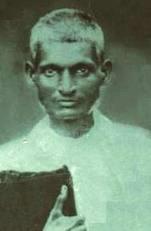
Sadhu Kochukunju Upadesi
Sadhu Kochukunju Upadesi
Sadhu Kochukunju Upadesi (born Dec 1883, died 30th Nov, 1945) also known as Mr. Moothampakkal Itty Varghese from Moothampakkal, Edayaranmula near Chengannur, held a remarkable place in the history of the Mar Thoma Syrian Church. He served as the inaugural General Secretary of the ‘Mar Thoma Voluntary Evangelists’ Association, established in 1924, and remained in this role until 1945. Over the span of nearly four decades, he fervently preached the teachings of the Bible in clear and accessible language throughout South India.
Sadhu Kochukunju Upadesi embodied the life of a true Sadhu, committing himself to a spiritual existence. He composed an impressive repertoire of more than 200 hymns, many of which continue to feature prominently in worship books across various denominations to this day. His powerful messages led thousands of individuals to turn to God in faith.
His Grace the Most Rev. Dr. Abraham Mar Thoma Metropolitan
Rt. Rev. Dr. Abraham Mar Thoma Metropolitan
Dr. Abraham Mar Thoma Metropolitan held the position of President in both the Mar Thoma Evangelistic Association and the National Missionary Society. In 1917, he was consecrated as a Bishop and served tirelessly as the Suffragan Metropolitan, dedicating himself to the spiritual fortification of the Church and its missionary endeavors. In 1944, upon the passing of Titus II Metropolitan, he ascended to the role of Metropolitan.
The Abraham Mar Thoma Bible Institute, established to train voluntary evangelists within the Church, bears his name in recognition of his contributions. His visionary outlook led to the creation of the Mar Thoma Suvishesha Sevika Sanghom in 1919 (Sevika Sanghom was inaugurated on Friday, February 14, 1919, during the Maramon Convention), as well as the Voluntary Evangelists Association in 1924.
He also played a pivotal role in the establishment of the Vanitha Mandiram in Tiruvalla, an educational institute for the Sevika Sanghom. Although his tenure as Metropolitan spanned only four years, his extensive ministry as a Bishop significantly fortified the Church in all its missionary endeavors. He departed to his eternal home in 1947.
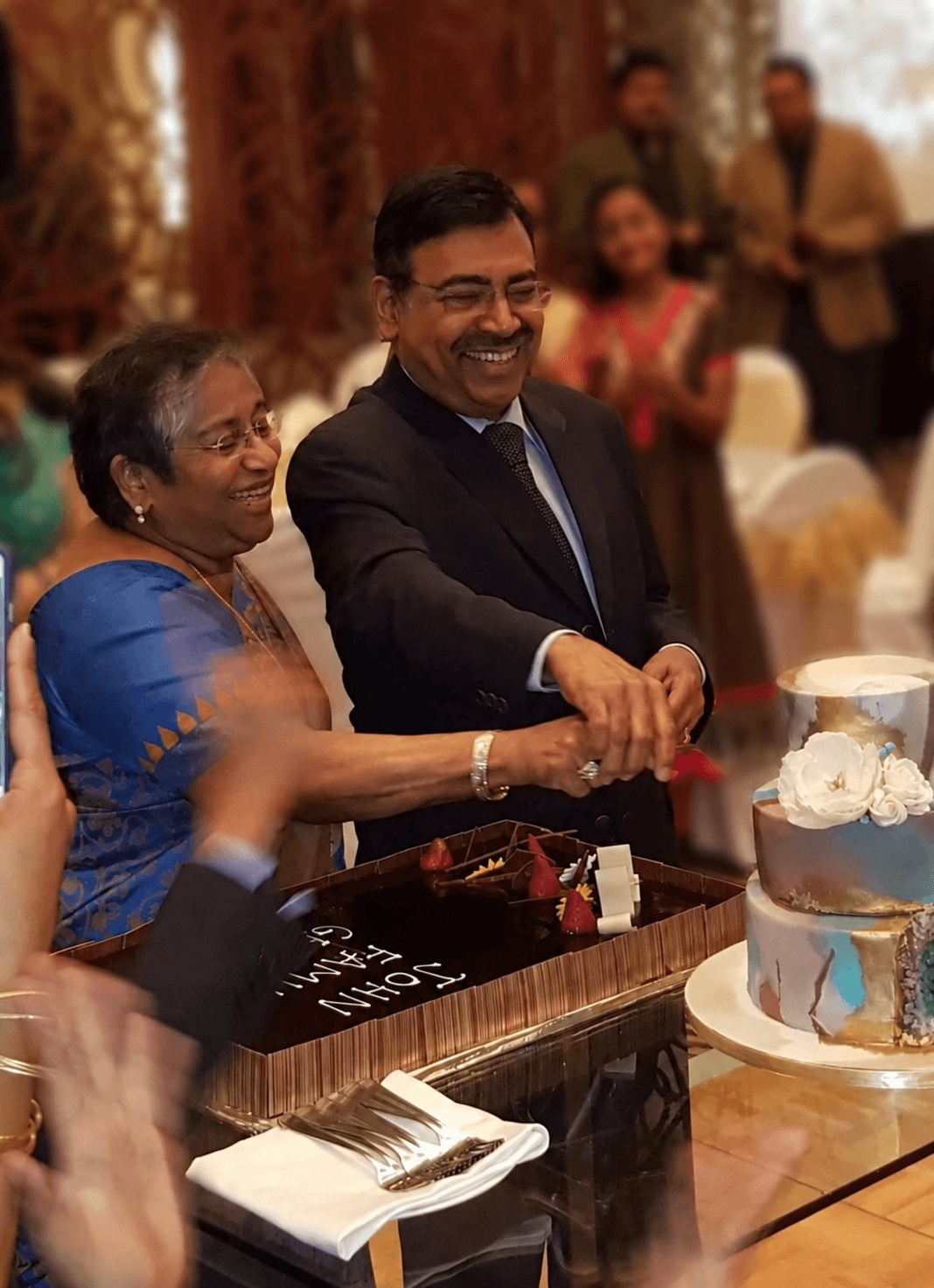
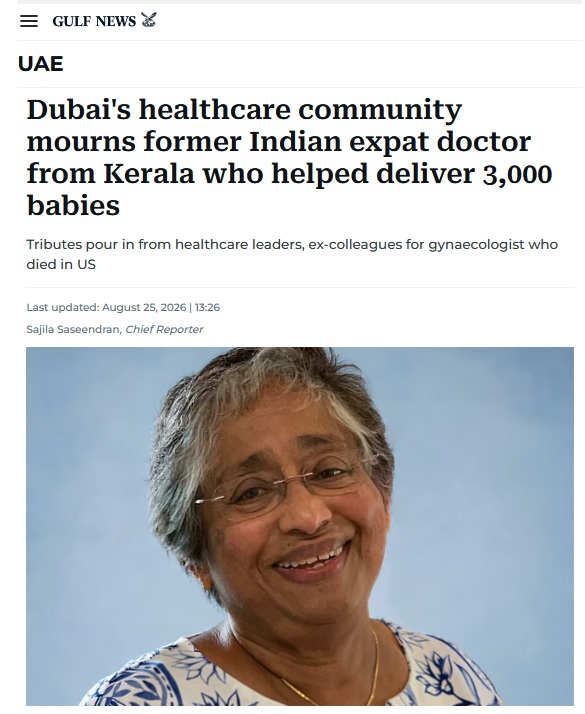
Dr. Mrs. Mary John and Family are known to us Editors of Nalloor Library from 1987. We had the privilege to teach their children in Dubai Mar Thoma Sunday School. We gratefully remember Dr. Mary John’s role in obtaining the piece of land for the construction of the Mar Thoma Church in Jabal Ali.
Dr. Mary John’s mother Late. Mrs. Sosamma John was a member of the Vadakketh Family in Kuriannoor. (Sister of Mr. V. A. Chacko (Former Headmaster of Mar Thoma High School Kuriannoor. They were members of the St. Thomas Mar Thoma Parish Kuriannoor.)
Dr. Mary’s father Late K. O. Kurian was a member of the Peedikel Purakal family, Valiyodu, Kottarakkara. They were members of the Valiyodu Salem Mar Thoma Parish.
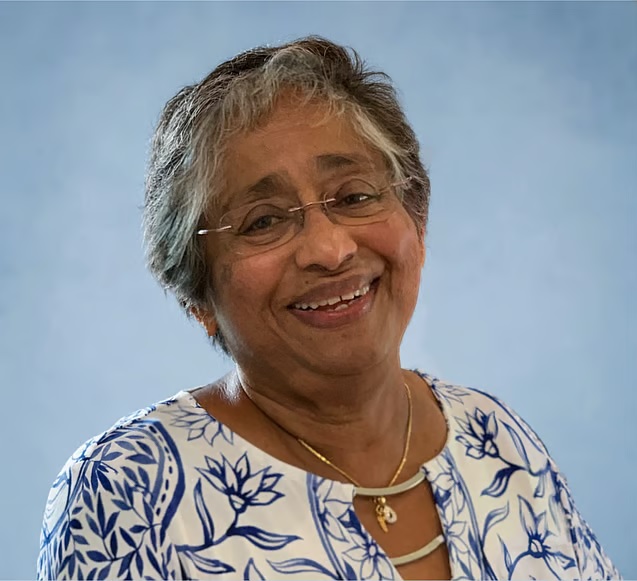
Dr. Mary JohnObituary June 17, 1945 – August 21, 2026
Dr. Mary John, age 81, of Springfield, IL, passed away peacefully on August 21, 2026, leaving behind a legacy of compassion, excellence, faith, and devotion to family and community. Born on June 17, 1945, in Perak, Malaysia, she carried with her throughout life the values of hard work, humility, and service. She was the beloved daughter of the late Sosamma Kurien and the late Dr. K.O. Kurien, and she was also preceded in death by her beloved husband, Dr. K.Y. John, and her sister, Jessy Thomas (husband, Rev. C.V. Thomas).
She is lovingly remembered by her sons, Dr. Ashish John and Dr. Anish John and their wives, Dr. Teena John and Dr. Kiran John; her cherished grandchildren, Ashwin John, Simran John, Yohan John, and Inara John; her brother, Thomas Kurien (wife, Dr. Santha Kurien); her cousin, Elizabeth Mathew; her nieces and nephews, Dr. Prem Thomas, Dr. Prakash Thomas, Susan Kurien, Esq., Miriam Tyrell, Esq.; numerous other close relatives and friends both here and overseas; and her faithful dog, Mickey, a Maltipoo who brought her great comfort and companionship.
She was fondly known as “Girly” by close family and friends, and as Dr. Mary by her professional colleagues. She was “Amma” not just to her children but to so many others that fondly knew her, and “Ammi” to her grandchildren.
She met and married the love of her life Dr. K.Y. John (affectionately known as “Johny”) in 1970. They had 47 years of happiness together before his untimely demise in 2017. They were the perfect complement to each other and were the definition of love and companionship that everyone they met aspired to.
Dr. Mary pursued her medical education with dedication and purpose, earning her medical degree from Calicut Medical College in Kerala, India. She continued her training in Brooklyn, NY, where she completed her OB/GYN residency at St. John’s Hospital.
She continued to work in New York until 1987 when the family moved to Dubai in the United Arab Emirates. There, her commitment to women’s health and her steady leadership led to a distinguished career as Head of the Department of Obstetrics and Gynecology at Al Wasl Women’s Hospital in Dubai, where she worked for almost 30 years. She also served as the Director of the Dubai Gynecology and Fertility Center (DGFC). She mentored generations of young physicians and healthcare staff in their professional journeys guiding them to successful careers. Through her work, she touched countless lives with skill, wisdom and a calm, reassuring presence that earned the respect of colleagues and the gratitude of patients and families alike.
Upon retiring in 2016, she and Johny moved to Springfield, IL to be closer to their children and enjoy their retired life together. Unfortunately, that was interrupted by his premature demise. Thankfully, they had chosen to live in Stone Creek, a wonderful retirement community. This is where Mary met her closest friends for the last decade, Linda and Gary Galecki who moved in next door. Countless walks, afternoon teas and hours of conversation defined a cherished friendship that was such a blessing to her. Girly was known not only for her professional accomplishments, but also for the warmth and grace she brought to every relationship.
She loved staying in touch with friends, including her medical school classmates, and she treasured the bonds of family above all else. She absolutely adored her grandchildren and took great joy in their lives, accomplishments, and laughter. She loved listening to Ashwin play the guitar, watching Simran perform on stage and treasured reading and watching cartoons with the youngest grandchildren, Yohan and Inara. She always gave the BEST hugs, they enveloped the receiver with so much Love. Her loving nature was infectious, and she had the unique ability to bring joy and comfort to all those around her.
A devoted Christian, Mary’s strong faith guided her throughout her life. She found comfort and strength in prayer as well as devotional reading, and she lived with a quiet confidence rooted in her belief in God’s promises. Her spiritual life was central to who she was, and it shaped the kindness, patience and generosity she extended to others. Girly and Johny believed in helping others in any way they could. They provided support and guidance to countless family members and friends as they devoted themselves to the mission of helping people achieve success in their lives.
She was also deeply appreciative of life’s simple pleasures, including playing the piano, gardening, and reading all kinds of books.
Those who knew Dr. Mary John will remember a woman of joy, dignity, integrity, intelligence and deep compassion. She leaves behind a lasting example of a life well lived, marked by service to others, devotion to family, and steadfast faith.
Late Mr. P. T. Varughese, Panamthodathil House, Kuriannoor
A member of Kuriannoor Mar Thoma Parish
P.T. Varghese, Panamthodathil House
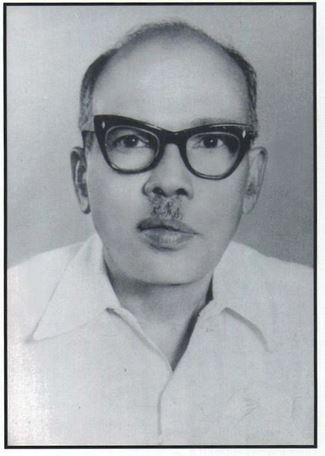
The story of India’s freedom struggle is filled with the names of great leaders and well-known freedom fighters. Yet, behind the larger national movement were countless ordinary men and women who made personal sacrifices for the cause of freedom. Many of their stories have remained largely unknown and forgotten.
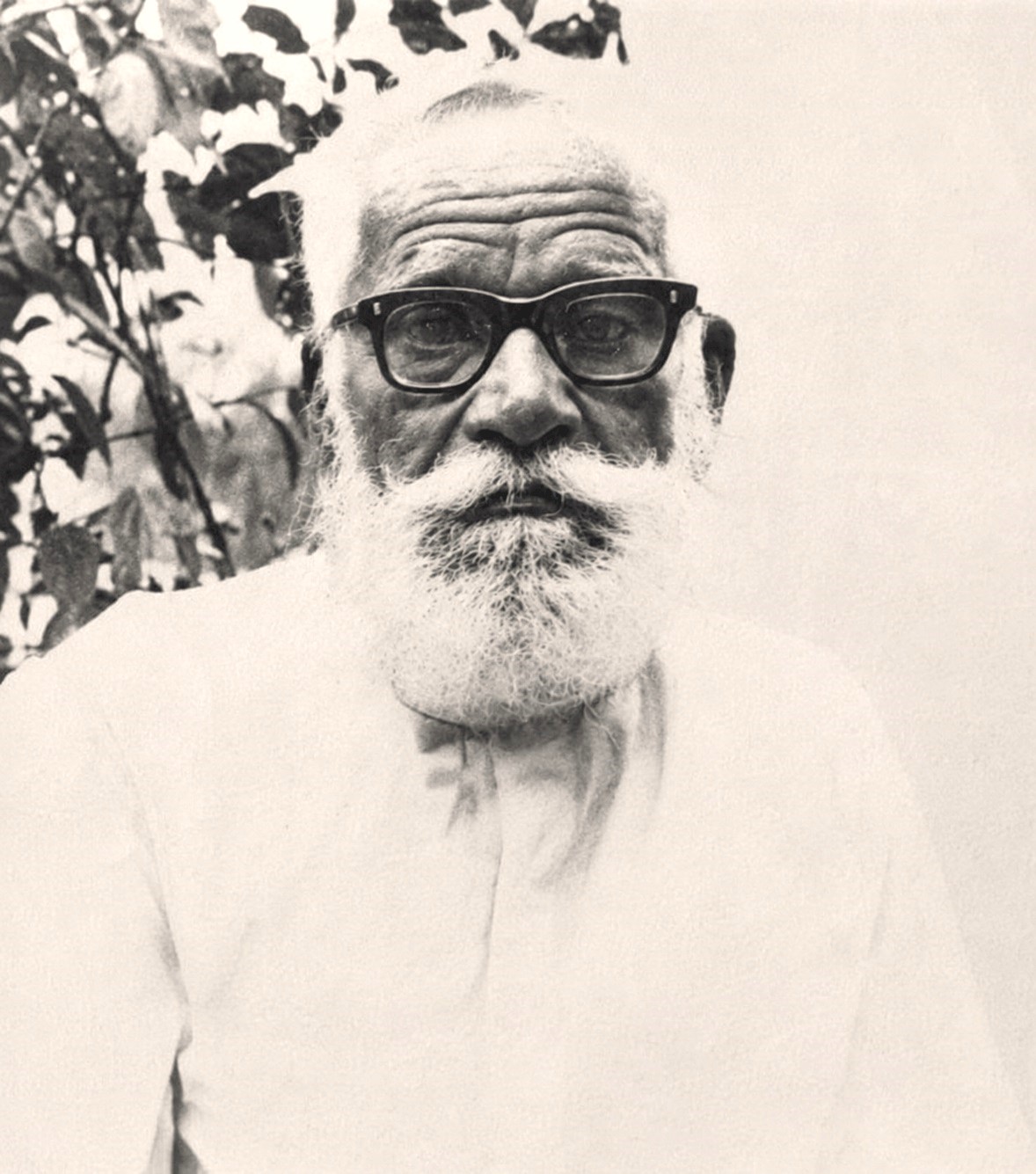
One such individual from Kuriannoor was Late Mr. P. T. Varughese of Panamthodathil House, a member of the Kuriannoor Mar Thoma Parish, also known as Neelethu Palli, Kuriannoor East.
Early Life
P. T. Varughese was born in 1903 in Kuriannoor to Panamthodathil Thomas and Kuriannoor Plathottathil Aleyamma. His family were members of the Kuriannoor Mar Thoma Parish.
After passing his School Final Examination, Varughese was planning to travel to Singapore in search of better opportunities. At the time, many people from Kuriannoor were already working in Singapore. As Singapore was part of the British Empire, travelling there was relatively straightforward, and passports and visas were not required in the manner they are today. Regular shipping services operated from Madras to Singapore.
With this plan in mind, Varughese travelled to Madras to board a ship for Singapore. However, his life was about to take a very different direction.
The Call of Mahatma Gandhi
While in Madras, Varughese was deeply influenced by Mahatma Gandhi’s call to join the Non-Cooperation Movement.
Launched by Mahatma Gandhi on August 1, 1920, the Non-Cooperation Movement was India’s first large-scale, non-violent mass struggle against British rule. The movement sought to achieve Swaraj, or self-governance, by encouraging Indians to withdraw their support from British colonial institutions.
Inspired by Gandhi’s message, Varughese abandoned his plans to travel to Singapore and instead chose to dedicate himself to India’s freedom struggle.
After joining the Non-Cooperation Movement, he began wearing the white Gandhi cap and khadi clothes, a practice he continued throughout the rest of his life.
A Life Dedicated to Service
Varughese actively participated in the freedom movement and remained committed to the ideals that had inspired him in his youth. He was known as a straightforward person who never sought positions, wealth or personal recognition.
He remained an active member of the Indian National Congress until his death and was deeply involved in political, social and religious activities in and around Tiruvalla.
Although he never became a nationally recognised political figure, his commitment to the freedom movement reflected the contribution made by countless ordinary Indians whose efforts formed the foundation of the struggle for independence.
Life in Tiruvalla and Kuriannoor
Varughese lived in Kuriannoor until around 1970, after which he moved to Amalloor, near Tiruvalla.
He was also associated with the newspaper and publishing world. He served as the Manorama newspaper agent in Tiruvalla and promoted several English-language publications, including The Illustrated Weekly and Reader’s Digest.
Shri Varughese was a close friend of Shri Pattom A. Thanu Pillai, former chief minister (2nd Chief Minister of Kerala from 1960 to 1962). Once passing through Tiruvalla, the Chief Minister saw Varughese selling newspapers at S.C. Junction. While resting in TB (Travelers’ Bungalow Tiruvilla), the Chief Minister called Varughese to TB. At that time, the government was distributing land to freedom fighters. Varughese was asked to give an application but he refused to submit an application saying “I will never accept a reward for upholding my mother’s dignity”.
~ Note from Mr. Thomas Mathen Thadeethrayil
His interests and activities extended beyond politics. He remained actively engaged in the social and religious life of the community, maintaining his connections with people and institutions around Tiruvalla and Kuriannoor.
Family
Varughese married Mariamma, daughter of Chacko of Kaiuzhasseril House, Valakkuzhy. His family is part of Kaleekav Vazholil Family.
The couple had two daughters:
Aleyamma Varughese
Annamma Varughese
Remembering an Unsung Freedom Fighter
P. T. Varughese passed away on 20 July 1989. He was laid to rest at the Amalloor Mar Thoma Parish Cemetery.
His life is a reminder that the Indian freedom movement was not shaped only by the leaders whose names appear in history books. It was also strengthened by people like Varughese, who made personal choices, gave up opportunities for a different life and committed themselves to the cause of freedom.
A young man who had travelled to Madras with dreams of a future in Singapore instead chose to respond to the call of Mahatma Gandhi. He exchanged the prospect of a new life overseas for khadi clothes, the Gandhi cap and a life dedicated to the ideals of India’s independence movement.
Today, the story of P. T. Varughese of Kuriannoor deserves to be remembered—not necessarily as the story of a famous freedom fighter, but as that of an unsung participant in India’s struggle for freedom, whose quiet dedication formed part of the larger story of the nation.
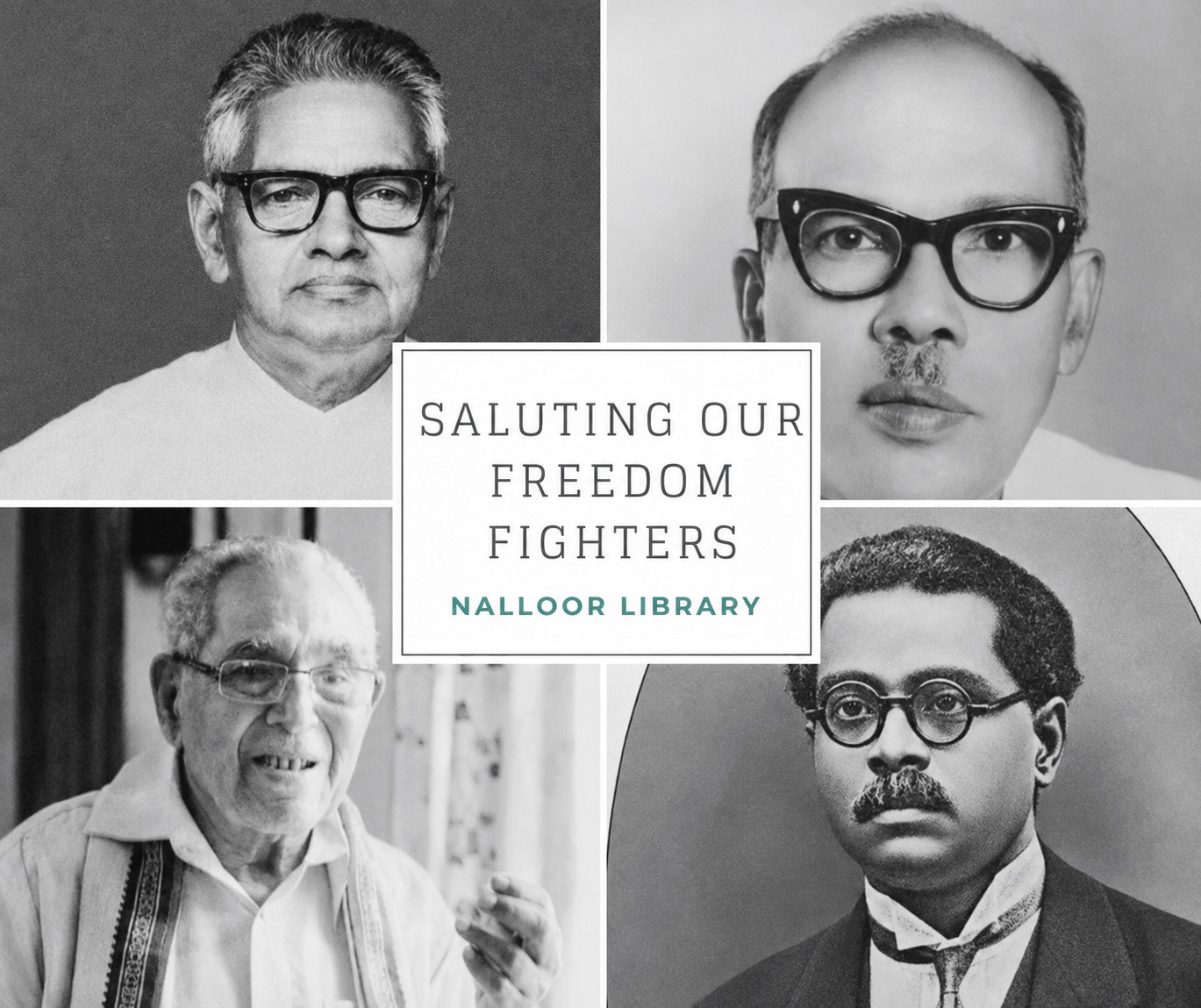
There have been several great souls in the Syrian Christian Community who rose to partake in the freedom struggle for India’s Independence. As India celebrates another year of Independence on 15th August, Nalloor Library would like our readers to remember a few freedom fighters who represented the Syrian Christian community and share their stories in their Sunday Schools and meetings across the world. This list is no means a complete list and only four have been chosen as representatives. We salute each and every freedom fighter across this great nation who participated in the freedom struggle and those who gave their lives for India’s freedom. Jai Hind!
Shri Thevarthundiyil Titus also known as ‘Titusji’ – Dandi March
The historic Dandi Salt march by Mahatma Gandhi in 1930 triggered the wider Civil Disobedience Movement leading to India’s freedom from the British. Among the marchers that would change India’s destiny was just one Christian and a Mar Thomite, Shri Thevarthundiyil Titus also known as ‘Titusji’. A devout Gandhian – he was known by the name Titus in his earlier days. “Titusji” was the name given to him by Mahatma Gandhi as a token of love and honour.
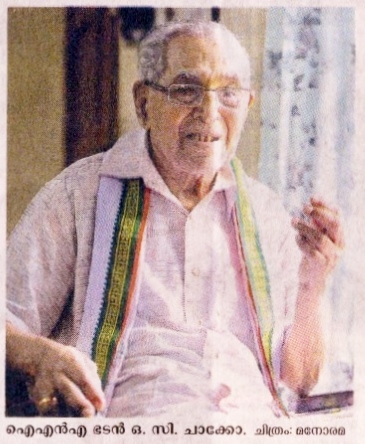
Mr. O. C. Chacko of the Indian National Army (INA)
Mr. O. C. Chacko was part of the Indian National Army (INA) of Subash Chandhra Bose and member of the Kuriannoor Mar Thoma Church, Pathanamthitta, Kerala. We post a link to a write up that was published on his 100th (centenary) birth anniversary.
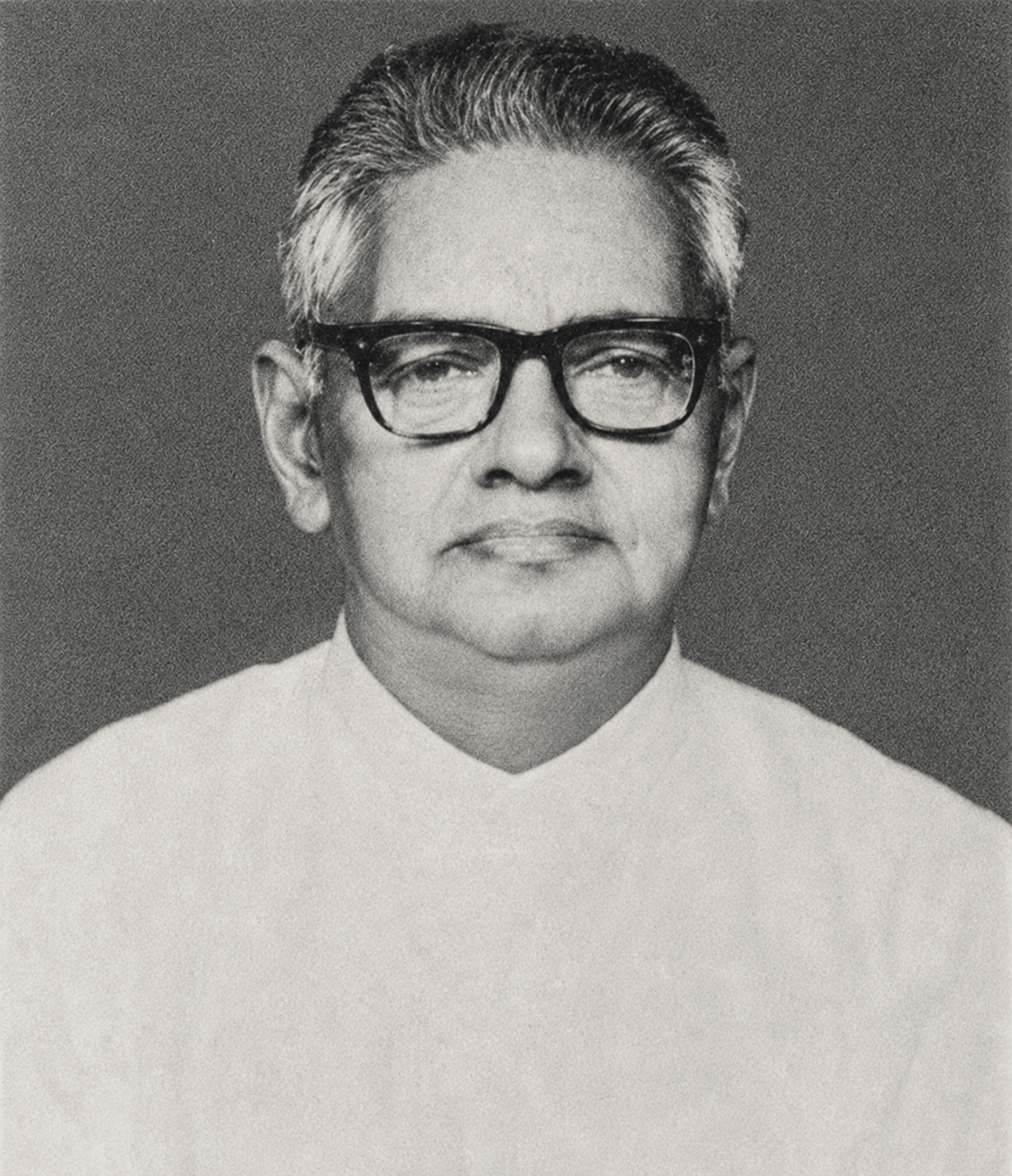
General Secretary of the Mar Thoma Sunday School Samajam. He was the only Mar Thoma Priest who is recognized and awarded as a freedom fighter by the Government. Before his ordination, he was in jail for almost a year for his participation in the Freedom movement of India.
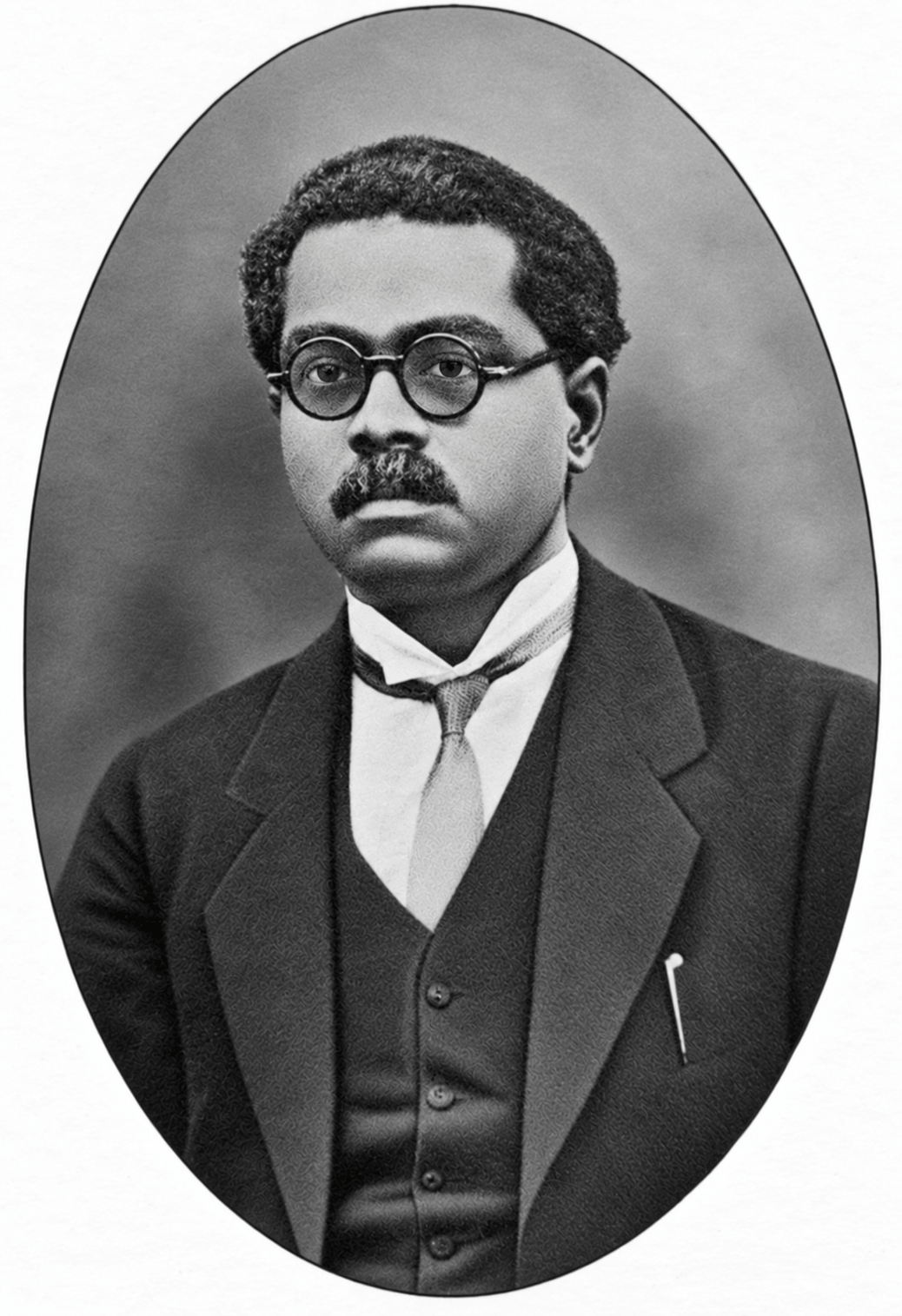
George Joseph, a barrister, fiery nationalist, avant-garde journalist, pioneer trade unionist, and ardent champion of important public causes, has etched an indelible place in the history of India’s war for Independence. He hailed from Kerala and was not just a pioneer in several fields, he was also a staunch supporter of Annie Besant’s Home Rule movement and Gandhiji’s Non-Cooperation movement during India’s freedom struggle.
He was born in Chenganoor (Kerala) in 1887, which at that time was part of the Travancore Kingdom. He completed his Law at the University of Edinburgh and it was during his stay in London that he became acquainted with notable freedom fighters like Madam Cama, S K Verma, S R Rana, and Veer Savarkar. He returned to India after finishing his education and though he established his legal practice initially in Chennai, he eventually shifted it to Madurai. George Joseph went on to become a famous criminal lawyer in Madurai. From the time he started practising there, he championed the cause of Madurai’s tribes, such as the Piramalai Kallars and Maravars. In 1920, following the Perungamanallur firing (also referred to as the Jallianwalla Bagh of the South), the British implemented the Criminal Tribes Act, labelling these groups as criminals. He vehemently opposed the Act by voicing his opinions in newspapers and he also represented these communities in court proceedings. The residents of these settlements gave him the name ‘Rosapoo Durai’ (a Rose amongst Leaders), as a symbol of their gratitude. ~indianculture.gov.in
A Brief History – with rare Church Consecration videos from 2005
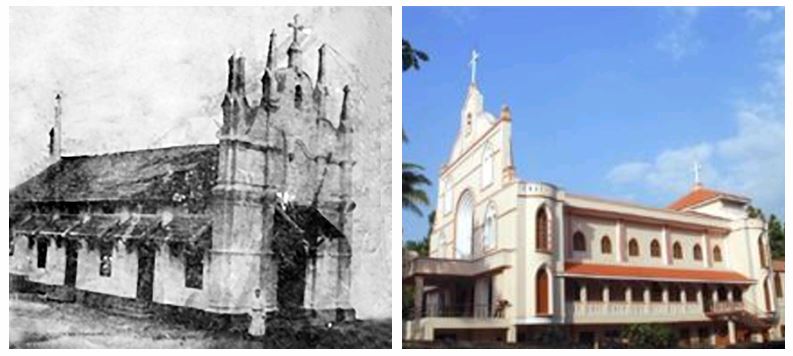
Old undated photo of the old Kuriannoor Mar Thoma Church and the present church building. (Images from Nalloor Library Archives)
Video Part 01 – The newly built Kuriannoor Mar Thoma Church building was consecrated on 3rd September 2005 by His Grace Most Rev. Dr. Philipose Mar Chrysostom Mar Thoma Metropolitan in the presence of Dr. Joseph Mar Irenaeus Suffragan Metropolitan. The Mar Thoma Church in Kuriannoor was established in 1879.
Video Part 02 – The newly built Kuriannoor Mar Thoma Church building was consecrated on 3rd September 2005 by His Grace Most Rev. Dr. Philipose Mar Chrysostom Mar Thoma Metropolitan in the presence of Dr. Joseph Mar Irenaeus Suffragan Metropolitan. The Mar Thoma Church in Kuriannoor was established in 1879.
St. Thomas, the Apostle of Jesus Christ, came to India in A.D.52 and established 7 churches in the Malabar Coast of Kerala, in South India. Niranam St. Mary’s Church was one among them. Believers in and around Niranam, Changanassery, Edathua, Chambakulam, Chengannur, Maramon, Kalloopara, Chennithala, Paliyekkara and Puthiyakavu used to worship in that Church. Members of the Niranam Parish, who were staying in Maramon area, found it extremely difficult to attend church services in Niranam regularly.
In those days, country boats (Kettuvallams) were the only mode of transportation (there were no road transport facilities). This led the believers in the Maramon area to establish the Maramon Mar Thoma Church on 28 August A.D.1440. Our forefathers worshiped in the Maramon Church until a Mar Thoma Church in Kuriannoor was established in 1879.
The year 1837 bore witness to a spiritual reformation in the Mar Thoma Church, mainly under the leadership of Palakkunnathu Abraham Malpan Achen (1796-1845). The reforms included translation of liturgy into Malayalam, emphasis on the study of the Holy Bible, family worship, and evangelization of the Gospel. Abolition of prayers for the dead and some unscriptural practices, such as statues, invocation of saints and some unhealthy veneration of sacraments were banned.
As there were no proper roads, the journey from Kuriannoor to Maramon was difficult and tedious, especially for funerals during the monsoon season. The Neelethu Pallikkoodam, a shed on bamboo poles, thatched with coconut leaves that was being used as a prayer hall cum school, was altered as the Mar Thoma Church, Kuriannoor in the year 1879 by Thomas Mar Athanasius Metropolitan (1837-1893 The Mar Thoma XIV). Rahoor Scariah Kathanar was the first Vicar of the Kuriannoor Church.
Two of the Mar Thoma Metropolitans, viz. Titus I Mar Thoma (Dethose Kathanar (1843-1909) and Titus II Mar Thoma (P. J. Dethose Kathanar (1866-1944) were vicars of our parish when they were achens. Due to an increase in the membership/population, St. Thomas Mar Thoma Church was formed in 1897 and Salem Mar Thoma Church in 1902.
Rev. M.C. George, (1874-1923) Maliyekkal was the first full time priest for Kuriannoor from 1903 as former vicars were in charge of Maramon Church as well. The English School, Kuriannoor was started in 1921 thanks to the leadership of Rev. M.C. George. Rev. T.M. Mathai (1883-1970) Punnathundiyil was our vicar from 1924.
During the leadership of Titus II Mar Thoma Metropolitan, a beautiful church building was constructed under the leadership of Vicars Rev. K.I. Varkey (1877-1948), Kizhakkethalakkal, Edathua, Rev. K.M. Mathai (1899-1959), Kuttamathayyethu, Puthenkavu, and Rev. Abraham Mathew (1902-1960), Elamittethu, Moovattupuzha Valakom. Our forefathers spent about eight years and a sum of Rs. 3150/- to complete their ardent desire of a place of worship. It was dedicated on 12th April 1940.
All the three Mar Thoma Churches in Kuriannoor were under the Vicarship of a single Achen till 1963. Rev. M. V. Abraham, Ashtamudy was the first Vicar who was solely in-charge of our parish. He managed to purchase 28 cents of land for a parsonage for Rs. 7500/-. Our first parsonage was completed in 1969 under the leadership of Rev. C. M. Thomas (1907-2001), Cherukara, Ayroor and Rev. K. A. Joshua, Mallassery.
The Centenary of the Church was celebrated during the year 1979 under the leadership of Rev. P. M. Samuel, Nelladu. Twenty cents of land adjacent to the church compound was purchased in December 1977, and the Centenary Hall was built there, which was consecrated on 6th May 1979.
Construction of the present, spacious and beautiful church building, with a parish hall underneath, was commenced during the year 2001, the plan of which was approved during the tenure of Rev. James M. Koshy Veeramala as Vicar. Rev. Achenkunju Mathew, and Rev. M.V. George (1952-2012) subsequent Vicars of the parish, worked tirelessly to complete the Church building, which was consecrated on 3rd September 2005 by His Grace Most Rev. Dr. Philipose Mar Chrysostom Metropolitan in the presence of H.G. Dr. Joseph Mar Irenaeus Suffragan Metropolitan.
Rev. M. V. George laid down the idea for the present parsonage in the year 2008, which was completed during the tenure of Rev. M. Mathew as Vicar. The new parsonage was consecrated by His Grace Most Rev. Dr. Joseph Mar Thoma Metropolitan on 23rd March 2010.
Rev. M.C. George (1874-1923), Maliyekkal, Rev. T.M. Mathai (1883-1970), Punnathundiyil, Rev. C.M. Thomas (1893-1956), Kochuparampil, and Rev. C.M. Abraham (1923-2008), Cheriyavadakkedathu, who were strong pillars of the Mar Thoma Church in the past belonged to our parish.
Ambattu Varkey Upadeshi, Poozhikkalayil Ipe Mathen (1796-1890) Poozhikkalayil Thomma Upadeshi (1830-1912), Cherukattu Geevarghese Upadeshi, Thanathodathil Mathen Upadeshi, Kolabhagathu Geevarghese Ashan (1855-1938), Eruthikkal E.V. Philip Sar, Nalloor Joseph Sar (1910-1992) etc. were strong lay leaders of our parish in the past.
“But blessed is the one who trusts in the Lord, whose confidence is in him. They will be like a tree planted by the water that sends out its roots by the stream. It does not fear when heat comes; its leaves are always green. It has no worries in a year of drought and never fails to bear fruit.” ~ Jeremiah 17:7-8 | NIV
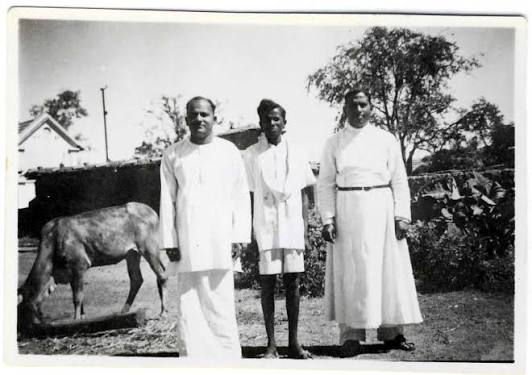
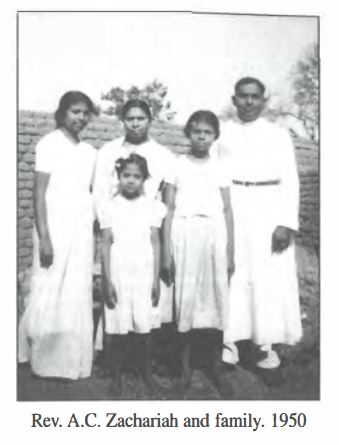
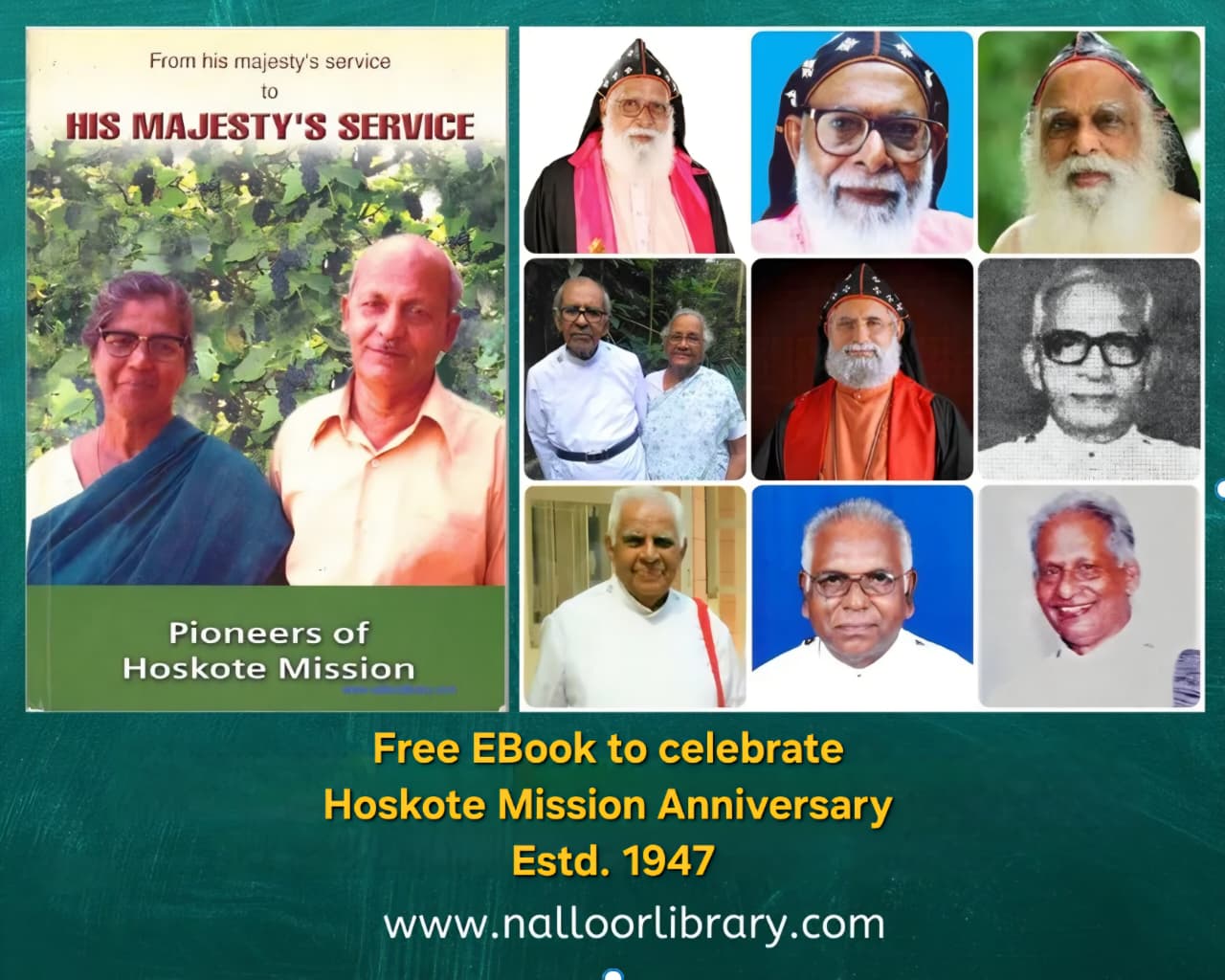
Founders of Hoskote Mission – Mr. M. T. Joseph and Rev. A.C. Zachariah
The Hoskote Mission Medical Center was established in 1947 in Hoskote, Bangalore Rural District, Karnataka by two missionaries Mr. M. T. Joseph and Mr. A.C. Zachariah along with their wives Mariamma Joseph and Saramma Zachariah.
The Short Story of the Beginnings of Hoskote Mission
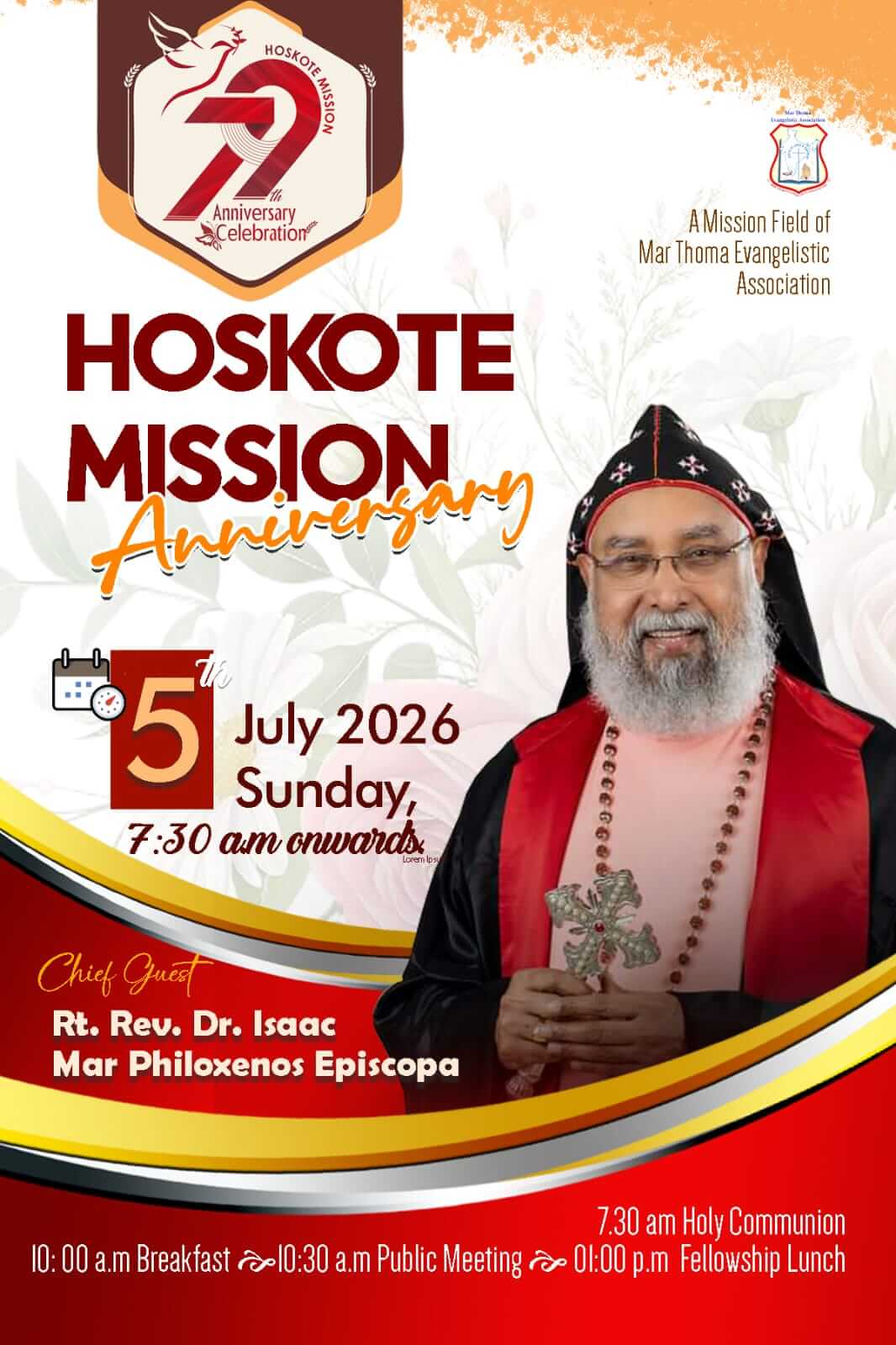
Listen to a rare 42 year old recording to commemorate the Anniversary of the Hoskote Mission Field on 27 June 2026.
The recording was done in June 1984 during Mrs Mariamma Joseph’s (co-founder of the mission) address to the Dubai Mar Thoma Parish. She spoke about the beginning of Hoskote Mission and the challenges faced by the pioneering missionaries.
As part of this anniversary, Nalloor Library presents a free Ebook version of – ‘From his majesty’s service to His Majesty’s Service’ (Pioneers of Hoskote Mission) released in December 2003.
Articles in the book are in both English and Malayalam and include recollections from the late Rt. Rev. Dr. Alexander Mar Thoma Valia Metropolitan, late Rt. Rev. Philipose Mar Thoma Valia Metropolitan, late Rt. Rev. Dr. Joseph Mar Thoma Metropolitan, Rt. Rev. Joseph Mar Barnabas Suffragan Metropolitan, Acharya Rev. K. J. Samuel, late Very. Rev. C. G. Alexander, late Rev. Dr. K. P. Mathai, Rev. E. J. George and more.
Contents
English
Manon Ousephachen – Rt. Rev. Dr. Joseph Mar Irenaeus Suffragan Metropolitan
Builders of the Kingdom of God -Rt. Rev. Joseph Mar Barnabas Episcopa
Speaking Ill of Others ! – Acharya Rev. K. J. Samuel
A Reflection on the life of Mr. and Mrs. M.T. Joseph – Rev. P. V. Philip
A Pillar in the Temple of God – Rev. P. Chacko and Mrs. Thankamma Chacko
Blessing Harper -Miss Blessing
Consolation Letter -Rev. A.C. Zachariah
Appachen -Dr. Rajan Koshy
M.T. Joseph -Very. Rev. C. G. Alexander
Impressions and Reflections -Mrs. E. V. Mathew
Early Days of Pennamma (Mrs. M.T. Joseph)
Memoirs of ‘Hoskote Ashram’, the place where I grew up -Thomas Joseph (Jay)
A more excellent way – Grace John
My Beloved Mother – Grace John
Hoskote Mission – Rev. Dr. K. P. Mathai
Photos
Malayalam
My Memories about Hoskote Mission Field – Rt. Rev. Dr. Alexander Mar Thoma Valia Metropolitan.
Classmate of my Brother -Rt. Rev. Philipose Mar Chrysostom Mar Thoma Metropolitan
Sweet Memories -Mary and Sally
Joseph Sar and family -Witnesses of Christ in Hoskote -Mr. K. V. Mathew
The Torch Bearers of the Gospel in Karnataka -Mr. V. Mathai
Appachen -Ms. P.T. Mariamma
Unforgettable Memories -Mr. T. M. Koshy, Evangelist
Memories, Memories … -Rev. E. J. George
Joseph Sar and Kochamma still alive in my memory – Ms. Aleyamma Mathew
Two Brave Martyrs for Christ – Mr. K. V. Varghese
Appachen and Ammachi in our Memories – Rev. P. E. Mathew and Mrs. Laly Mathew
Remembrance News Article – Suvisesha Doothan – Magazine of the Mar Thoma Evangelistic Association (MTEA)
MTEA General Secretary’s Letter – Article – Suvisesha Doothan – Magazine of the Mar Thoma Evangelistic Association (MTEA)
About the Writers
Note:
This book is a collection of memories penned down by people who have closely interacted or worked with Mr. and Mrs. M. T. Joseph (Co-founders of Hoskote Mission). This book comes from a need that old memories of the pioneers would encourage and inspire more people to join the ministry and take up from where they left. History repeats itself and the only way people would be inspired to carry on with this great legacy we have been handed down is to read and pass on the memories of yesteryears.
Almost all the people who have contributed to this book are people who have done their part in building up the Kingdom of God. This is not a book to highlight or to downplay any individual’s work but rather an attempt to preserve and record history of the past events. It would be a testimony to show how God uses ordinary people from all walks of life simultaneously to carry out His mission and work of letting the whole world know of His Saving Grace.
We earnestly pray and believe that this book will inspire many of you to pray and support the work of the Hoskote Mission.
The past thirteen years have truly been a blessing, made possible through your continued support, encouragement, and readership. As we celebrate this anniversary, we extend our heartfelt gratitude to each and every one of you who has been part of this journey.
What began as a simple dream has now reached readers across the globe, with lakhs of visitors to our website from almost every corner of the world. Your feedback, prayers, and constant encouragement have inspired us to continue expanding and making more valuable resources available to our community.
Over the years, readers and parishes from near and far have shared how these resources are being used in parish bulletins, Sunday School lessons, VBS programs, summer camps, sermons, prayer groups, and many other ministries. Along this journey, we have also been blessed to build meaningful friendships, while social media has helped us share the rich cultural heritage and traditions of our Church with a wider audience.
We humbly ask that you continue to keep Nalloor Library in your prayers as we move forward with renewed commitment and gratitude.
“Praise the Lord! Oh give thanks to the Lord, for he is good, for his steadfast love endures forever!” Psalm 106:1
A free pdf resource sheet for Parents / Sunday School Teachers to explain to their children facts and events chosen from the history of the Maramon Convention. In 2026, the Maramon Convention will be conducted for the 131st time from 8th -15th February 2026, at Maramon, Pathanamthitta District, Kerala.