Explaining the Maramon Convention 2024 to Children (Free pdf) Useful for Sunday School students and teachers!

A free pdf resource sheet for Parents / Sunday School Teachers to explain to their children facts and events chosen from the history of the Maramon Convention. In 2024, the Maramon Convention will be conducted for the 129th time from 11th -18th February 2024, at Maramon, Pathanamthitta District, Kerala.

1985 Maramon Convention: Astronaut turned Evangelist James Irwin wows with display of rare Moon Rock
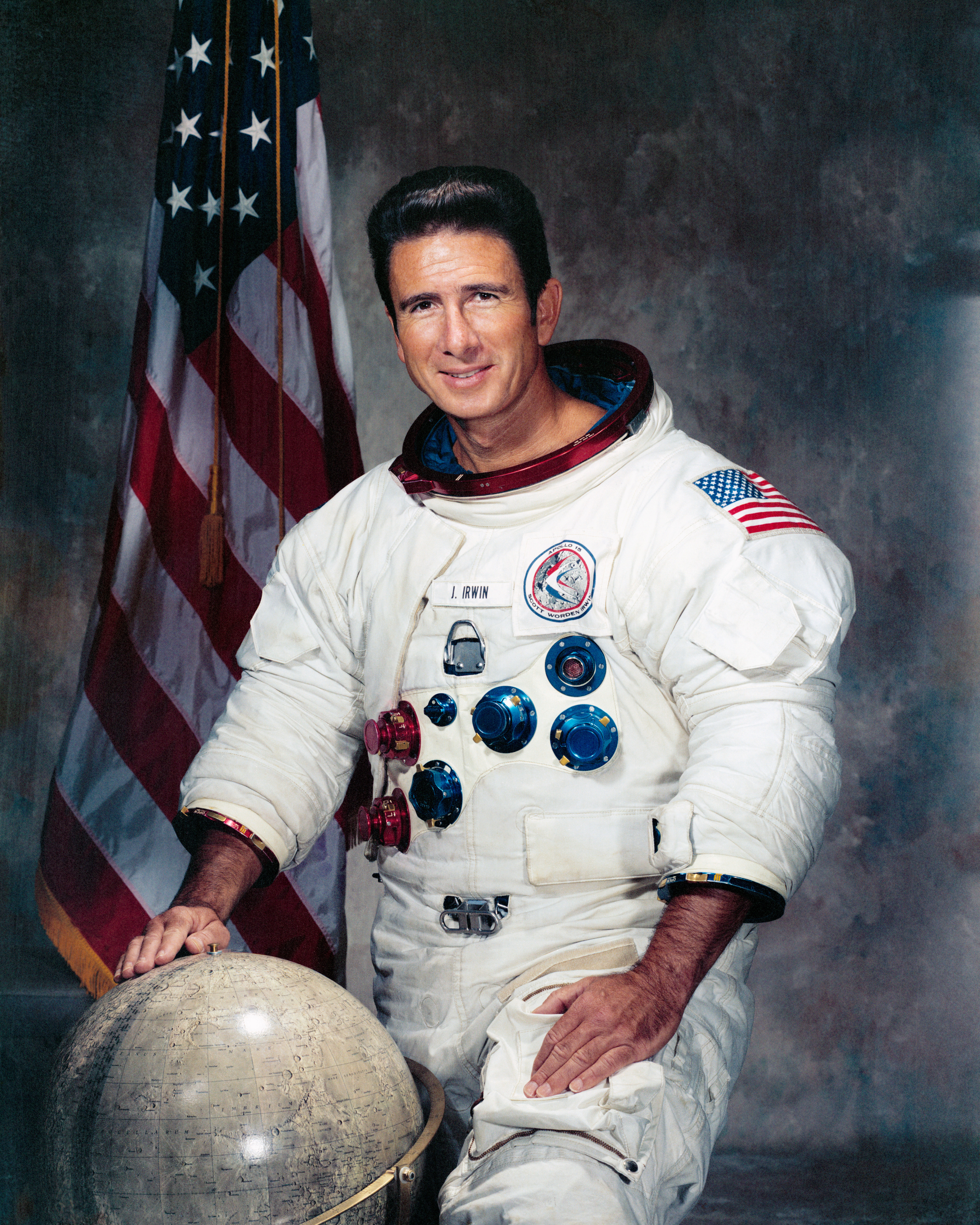

“Weight – 4.5 ounces (129 g)” Photo by Leo Boudreau
In a historic and mesmerizing moment at the 1985 Maramon Convention, the congregation witnessed a unique blend of science and spirituality as former astronaut and evangelist James Irwin took the main stage. Worshippers were left in awe as Irwin, who had walked on the moon during the Apollo missions, showcased a rare Moon rock, adding an extraordinary dimension to the spiritual gathering.
The anticipation heightened as Irwin donned custom gloves and carefully opened a special bag that cradled the precious lunar rock artefact. The air in the convention pandal was thick with excitement as he unveiled the rock retrieved during Irwin’s historic moon journey, became the centre of attention. Holding it high for all to see – the rock, once part of the distant lunar landscape, now found itself in the hands of a man whose journey had transcended the boundaries of our world.
The 1985 Maramon Convention would be remembered as the moment when the celestial and the divine converged in a sermon delivered on the banks of the River Pamba.
Mr. Irwin said that his experience exploring the moon on the Apollo 15 mission in July 1971 moved him to devote the rest of his life to “spreading the good news of Jesus Christ”. He resigned from the astronaut corps a year later and became the founding president of High Flight Foundation, an interdenominational evangelical organization based in Colorado Springs.
To church groups around the country, Mr. Irwin often spoke of the lunar mission as an epiphany, declaring, “I felt the power of God as I’d never felt it before.” Quoting Scripture on Moon
While on the moon, at the end of the first day exploring the rugged lunar highlands, Mr. Irwin said he was reminded of “my favorite Biblical passage from Psalms.” Speaking by radio to Mission Control in Houston, he began quoting the passage, “I’ll look unto the hills from whence cometh my help,” and added quickly, “but, of course, we get quite a bit from Houston, too. “https://www.nytimes.com/1991/08/10/us/james-b-irwin-61-ex-astronaut-founded-religious-organization.html
About Astronaut James Irwin
Astronaut James Irwin was an American astronaut, test pilot, engineer, and geologist who gained fame as the eighth person to walk on the Moon during the Apollo 15 mission. Born on March 17, 1930, in Pittsburgh, Pennsylvania, Irwin had a background in aeronautical engineering and earned a Master’s degree in the same field from the University of Michigan.
Irwin was selected as an astronaut by NASA in 1966 and made his first spaceflight as the lunar module pilot for Apollo 15 in 1971. During this mission, he and Commander David Scott spent three days on the lunar surface, conducting scientific experiments and exploring the Hadley-Apennine region. Irwin’s activities on the Moon included using the lunar rover, a vehicle designed for lunar exploration, making them the first people to drive on the moon. They collected 175 pounds of rocks and soil from the moon’s surface.
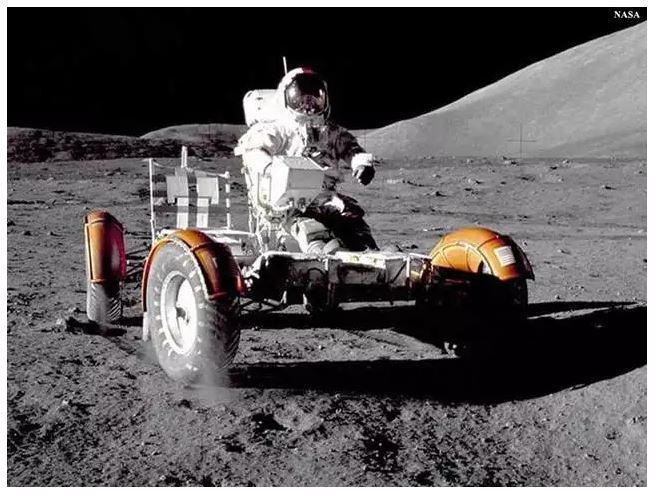
After his space career, James Irwin left NASA in 1972 and pursued various interests, including writing and public speaking. He founded the High Flight Foundation, a Christian organization, and later became involved in several ventures.
Tragically, James Irwin passed away on August 8, 1991, at the age of 61, due to a heart attack. Despite his relatively short time in the spotlight, his contributions to lunar exploration and the advancement of scientific knowledge left a lasting impact on space exploration and the understanding of the Moon’s geology.

12 Nov 2023: CSI, CNI and Mar Thoma Church celebrate “Festival of Unity of Communion of Churches in India (CCI) CSI- CNI-MTC”
On 12 November, 2023, Sunday: the CSI, CNI and Mar Thoma Churches will celebrate this Sunday as the ‘”Festival of Unity of Communion of Churches in India (CCI) CSI- CNI-MTC”‘.
The Communion of Churches in India (CCI) has been constituted as the visible organ for common expression of the life and witness by the founding Churches, the Church of North India (CNI), the Church of South India (CSI) and the Mar Thoma Syrian Church (MTC) which recognise themselves as belonging to the one Church of Jesus Christ in India, even while remaining as autonomous churches, each having its own identity of traditions and organizational structures. “The Communion” invites other Churches in India to enter into full communion with the member churches separately and join “The Communion”.
In a meeting of the Executive Committees of the CNI, CSI & MTC in November 1999 at CharalKunnu, Kuriannoor, Kerala from 11-14 November, 1999, it was unanimously recommended that the name ‘The Communion of Churches in India’ be adopted in place of the Joint Council to reflect the growth in the experience of unity among the three churches.
Festival Of Unity
CCI week every year in the second week of November with special combined worship service on second Sunday in November in all the Churches of the member Churches. Please look for the Special Order of Worship prepared for the Occasion
Common Liturgy – The Communion of Churches in India
Historical Background
The Communion of Churches in India (CCI) has been constituted as the visible organ for common expression of the life and witness by the founding Churches, the Church of North India (CNI), the Church of South India (CSI) and the Malankara Mar Thoma Syrian Church (MTC) which recognise themselves as belonging to the one Church of Jesus Christ in India, even while remaining as autonomous churches, each having its own identity of traditions and organizational structures.
“The Communion” invites other Churches in India to enter into full communion with the member churches separately and join“The Communion”. The genesis of the story goes back to the invitation by the CNI to form three commissions of representatives of the three churches: the Church of North India, Church of South India and the Malankara Mar Thoma Syrian Church (here-in-after referred to as CNI.CSI and MTC) to explore the ways and means of further cooperation and witness in India. This move was welcomed during the meeting of the CSI and MTC Negotiation Commission, held on 17th May 1974. Therefore the three churches appointed their representatives to the Theological Commissions of their respective churches and these commissions began to function as a Joint Theological Commission.
The first meeting of the Joint Theological Commission was held in January 1975 at Madras. The object of the Commission was to explore the possibilities of close cooperation between the CNI, the CSI and the MTC and to discuss the question of faith and order and other relevant issues. The aim of this was that there might be union between these churches, keeping in mind the ultimate goal of all Christ’s people in India i.e. the fulfillment of the Mission of the Church. During their third meeting in September 1976, the JTC passed the proposal for a new model of union for these three churches, which was accepted, and the Joint Council was inaugurated in July 1978, at Nagpur.
Aims And Objects Of The Communion
✮ To serve as the common organ of the member Churches for working towards a visible manifestation of the Unity of the Churches and of the whole Church of Jesus Christ in India.
✮ To help the Churches to fulfill the Mission of Evangelization of the people of India and of witnessing to the righteousness of God revealed in the Gospel of Jesus Christ by striving for a just society.
✮ To work with all people of good will to establish peace with justice and integrity of creation.
✮ To explore possibilities of common action for the fulfillment of the mission of the Church in India and outside.
✮ To consider the question of Faith, Worship and Order and other relevant issues arising from their present relationship of full communion and make appropriate recommendations, so that the churches may grow in mutual understanding, the deepening of the experience of oneness in Christ, and in the visible manifestation of unity.
Late Dr. Russel Chandran, one of the active proponents of the council since its formation used to say that the Joint Council was established on the basis of acknowledgement of the three churches that they were already one church because of their oneness in doctrine and mutual recognition of their sacrament and ministry. It was intended to give visible expression of the unity which already existed. One of the components of visible unity was adoption of a common name. Some expressed the difficulty, that do adopt a common name would be a question of losing the identity of the three churches. However organic unity with a common name was ruled out. The attempt was made to manifest oneness through a common structure, while retaining the autonomy of the three churches.
According to the Preamble of the new constitution, the objects are :
✮ To serve as the common organ of the member churches and of the whole church of Jesus Christ in India.
✮ To help the churches to fulfill the mission of evangelization.
✮ To strive with all people for justice and integrity of creation.
✮ To explore possibility of common action for fulfillment of mission.
✮ To consider question of faith, worship and order and other relevant issues.
In a meeting of the Executive Committees of the CNI, CSI & MTC thin November 1999 at Charal Kunnu, Kerala from 11-14 November, 1999, it was unanimously recommended that the name ‘The Communion of Churches in India’ be adopted in place of the Joint Council to reflect the growth in the experience of unity among the three churches. The new name was adopted and announced at the 10 Joint Council Meeting held in Calcutta on 13th and 14th November 2000. According to the Constitution of the CCI the General Assembly is held ordinarily every four years. The first General Assembly of the Communion of Churches was held on 10 March 2004 in Cochin but somehow after two years the second General Assembly was held in CSI Centre, Chennai from 3rd to 5th July 2006. The third General Assembly was held in CNI Bhavan New Delhi on 2nd and 3rd March 2010. It was decided to observe second Sunday in November every year as the Festival of Unity in the second meeting of the Executive Committee of the Joint Council held on 5th May 1979.
The first General Assembly held at Shantigiri, Aluva held from 7th to 10th March 2004 had noted the following challenges:
✮ Unity at the level of people’s struggle
✮ Making visible the unity we have
✮ From Institution to movement
✮ Empowering people as a form of service towards justice.
✮ From bureaucracy to people
✮ From National to local The CNI Moderator in his keynote address had said “ We need to learn lessons from our past, from our mistakes and also from the insights of our ancestors and be guided by the Holy Spirit into that Unity which God wants. Let us walk together on a new journey and make a new beginning in our effort for walking as united in faith and action.
Prayer
JOINT COUNCIL (CCI) PRAYER
“Almighty God, our heavenly Father, in you alone all things are held together in unity. You have united us in a new way in Jesus Christ by the power of the Holy Spirit. We praise you for your love which is the bond of our unity.
We give thanks to you that you have led the three churches to which we severally belong to come together and to form a Joint Council and now called the Communion of Churches. You have also called us to united in prayer that we may all receive your blessings and grow in unity.
In our prayers, O Father, we join with our Lord Jesus Christ in his prayer for all who believe in him “that they all may be one.. that the world may believe” (John 17:20) We confess before you our tolerance of disunity and our share in taking pride in our heritages more than in Jesus Christ and his Cross.
We pray for the continued guidance of your Holy Spirit that through the Joint Council our bond of unity in love may deepen and our oneness may strengthen our witness t the Gospel of Jesus Christ. Help us to unite for Christ’s mission not only at the national level but in all levels, wherever we can be together for worship, mission and service. We seek your blessings so that our common life and witness may be a blessings to the nation to which we belong.
We specially pray for the Presiding Bishop and the members of the Presidium,……the Moderator of the Church of North India,……the Moderator of the Church of South India and … the Metropolitan of the Mar Thoma Church, and the members of the CCI Secretariat and for all other Bishops, ministers and the laity and commend them to your mercy, protection and guidance. Grant that led by their ministry the churches may continually grow in love and unity. May your peace, our heavenly Father, be always with us. Through Jesus Christ our Lord.
AMEN.
for more information visit https://communionofchurchesinindia.org.in
22nd October 2023: Family Sunday Service (Free Malayalam pdf EBook) CNI-CSI-MarThomaSyrianChurch
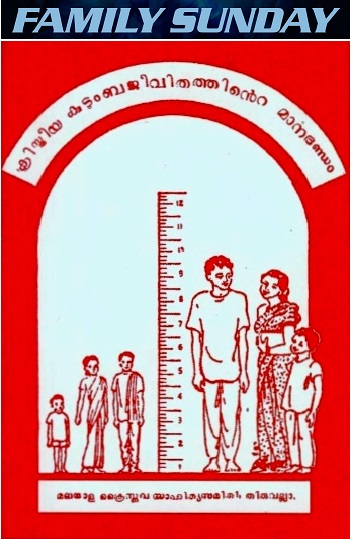
On 22nd October 2023 (21st Sunday after Pentecost), Family Sunday is celebrated by the CSI church, CNI church and the Mar Thoma Syrian Church. This year’s motto is “Family an expression of the Kingdom of God”.
Download this free pdf Ebook published in Malayalam in 1951 that is still relevant to today’s Christian life. This book can be used as a resource for your Family Sunday service. The link can be shared and used by church members, parishes and church organizations. It can be accessed on any smartphone, tablet or computer for free.
The Principles of Christian Family Life (Malayalam) (Published in 1951)


Mar Thoma Voluntary Evangelists’ Association Day – 1st October
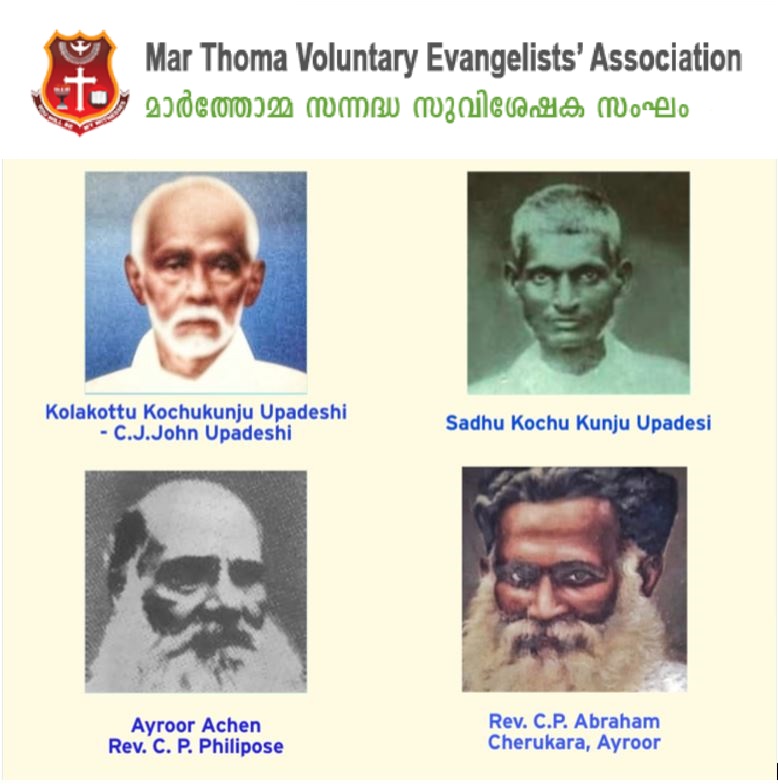
The Mar Thoma Voluntary Evangelists’ Association, established in 1924, is a recognized organization within the Mar Thoma Church. The reformation within the church ignited a strong desire among people for group prayer and Bible study. Rev. C.P. Abraham Kassissa initiated the inaugural prayer meeting at Chayal Mar Thoma Church, Ayroor, which later evolved into monthly gatherings.
The first anniversary meeting, presided over by Most Rev. Dr. Abraham Mar Thoma, took place at Sehion Mar Thoma Church in Ayroor. Subsequently, on August 23, 1924, as decided during the first anniversary meeting, a special assembly was convened at Chayal Palli. During this gathering, an association was formally established under the name “Malankara Mar Thoma Somedha Suvishesha Sanghom” which was later changed to its current form in English as the “Mar Thoma Voluntary Evangelists’ Association”.
. The following individuals were elected as office bearers:
- President: Very Rev. C.P. Philipose Kasseessa
- General Secretary: Sadhu Kochukunju Upadeshi, Muthampakkal, Edayarnmula
- Travelling Secretary: Kolakottu C.J. John Upadeshi
This association began as a fellowship of dedicated believers who volunteered their efforts in God’s vineyard without seeking financial gain or personal motives.
The association’s activities are guided by a Seven Point Program:
- Intercession
- Bible Study
- Sharing of Experiences
- House Visits
- Ministry to the Sick and Needy
- Conducting Prayer Meetings
- Spreading the Gospel among People of Other Faiths and Ideologies
Notable activities include:
- Edavaka Mission
- Gospel Team
- Abraham Mar Thoma Memorial Bible Institute
- Abraham Mar Thoma Memorial Convention
- Abraham Mar Thoma Memorial Lectures
- Monthly Intercession Prayers, including All-Night Prayer
- Suvishesha Nilayam and Mission Fields
The camp center for these activities is the JMT Camp, which also serves as a research and meditation center located in Kombadi, Tiruvalla.
The Association manages three mission fields at Achencovil near Punalur, Mukkada near Ranny and Kalkulam near Chungathara. Its official magazine is the Tri-Monthly ‘Sandesam’ containing sermon notes, Bible studies, articles and the news about the association.

The Mar Thoma Voluntary Evangelists’ Association serves as the organization in the Church emphasizing the ministry of the laity in the Church. The Platinum Jubilee of the Association was celebrated in 1999.
C. P. Abraham Kasseessa, Cherukara Chuzhukunnil, Ayroor 1876-1940
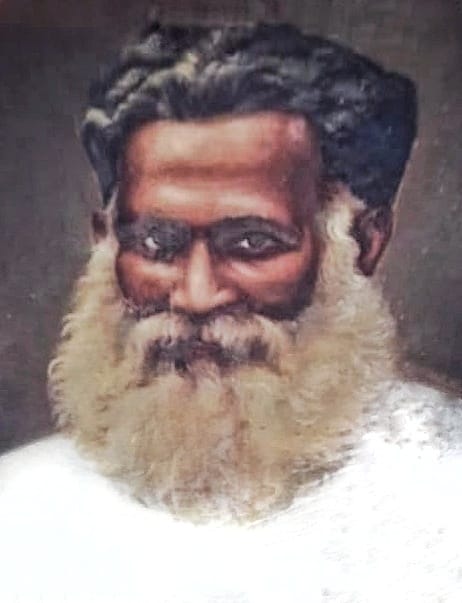
C. P. Abraham Kasseessa, hailing from Cherukara Chuzhukunnil, Ayroor (1876-1940), was the son of the Vicar General, Very Rev. Philipose Malapan (1836-1894), of Cherukara in Ayroor. Abraham’s ecclesiastical journey began after completing his Matriculation when he became a Deacon in 1897 and subsequently a Priest in 1898. His visionary zeal led to the establishment of numerous Mar Thoma Parishes in and around Ayroor, and it was his unwavering commitment that ultimately gave rise to the Evangelists’ Association.
During the Revival Movement (Naveekaranam), prayer groups emerged in various Mar Thoma Parishes. These groups dedicated themselves to Bible Study, Intercessory Prayer, and spreading the Gospel message. Under the guidance of Rev. C.P. Abraham Kasseessa, prayer groups from Kuriannoor, Ayroor, Maramon, and Kozhencherry convened at Chayal Mar Thoma Church, Ayroor. The inaugural meeting occurred on August 23, 1923, followed by monthly gatherings led by Abraham Kasseessa.
The first anniversary meeting, presided over by Abraham Mar Thoma Thirumeni, took place at Sehion Mar Thoma Church in Ayroor. Subsequently, on August 23, 1924, as decided during the first anniversary meeting, a special assembly was convened at Chayal Palli. During this gathering, an association was formally established under the name “Malankara Mar Thoma Somedha Suvishesha Sanghom” which was later changed to its current form. The following individuals were elected as office bearers:
- President: Very Rev. C.P. Philipose Kasseessa
- General Secretary: Sadhu Kochukunju Upadeshi, Muthampakkal, Edayarnmula
- Travelling Secretary: Kolakottu C.J. John Upadeshi
Ayroor Achen, Rev. C. P. Philipose
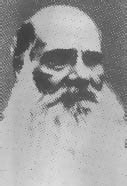
Ayroor Achen, Rev. C. P. Philipose (born. May 25, 1868, died. February 2, 1948), son of Ayroor Cherukara Naranathu Paruvelithundiyil Very Rev. Philipose Malpan and Mariamma Philipose (Chengannur Kanjipuzhethu).
After completing his Bachelor of Arts (B.A.), he was ordained as a deacon in 1892 and later as a priest in 1895. Rev. C. P. Philipose served as the vicar for various parishes in the vicinity of Kozhencherry and Ayroor. Many of the Mar Thoma parishes to the east of Kozhencherry owe their establishment to his dedicated efforts.
In 1890, Rev. C. P. Philipose assumed the role of General Secretary of the Mar Thoma Evangelistic Association, a position he held for over half a century until his resignation due to declining health. He provided steadfast leadership for the Maramon Convention for nearly five decades and was a significant contributor as one of the main translators. His sons, Mr. C. P. Philip and Prof. C.P. Mathew, continued his legacy. Rev. C. P. Philipose passed away on February 2, 1948, and he was laid to rest in the cemetery of Kozhencherry Mar Thoma Church, in the front row.
Kolakottu Kochukunju Upadeshi, C. J. John Upadeshi
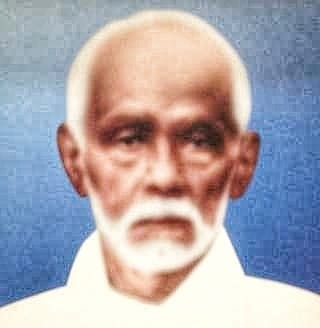
Kolakottu Kochukunju Upadeshi, also known as C. J. John Upadeshi (1879 – July 19, 1975), held the distinction of being the first Travelling Secretary of the Mar Thoma Evangelists’ Association. Born into the renowned Kolakottu Family of Ayroor, he received his early education in Ayroor itself. From a very young age, he nurtured a profound aspiration to engage in Gospel work. Despite being born with a physical impairment that caused a noticeable limp, he persevered in his calling, and God empowered him to provide significant contributions to the Voluntary Evangelists’ Association during its formative years.
At the inaugural meeting of the Voluntary Evangelists’ Association, held at Chayal Mar Thoma Church in Ayroor on August 23, 1924, he assumed the role of Travelling Secretary. His dedicated service spanned nearly four decades, during which he toured numerous Mar Thoma Parishes and established Association branches. He played an instrumental role in founding Edavaka Missions and facilitated the setup of administrative centers for the Association. His approach emphasized strengthening local branches rather than hosting grand conventions.For a period, he resided at the AMM Bible Institute in Kompadi, Tiruvalla, where he conducted Bible classes for students. He remained faithful to his mission until his heavenly calling.As the scriptures proclaim, “Those who are wise will shine like the brightness of the heavens, and those who lead many to righteousness, like the stars forever and ever.”
Sadhu Kochukunju Upadesi
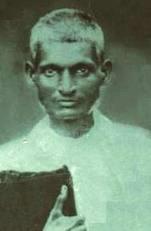
Sadhu Kochukunju Upadesi (born Dec 1883, died 30th Nov, 1945) also known as Mr. Moothampakkal Itty Varghese from Moothampakkal, Edayaranmula near Chengannur, held a remarkable place in the history of the Mar Thoma Syrian Church. He served as the inaugural General Secretary of the ‘Mar Thoma Voluntary Evangelists’ Association, established in 1924, and remained in this role until 1945. Over the span of nearly four decades, he fervently preached the teachings of the Bible in clear and accessible language throughout South India.
Sadhu Kochukunju Upadesi embodied the life of a true Sadhu, committing himself to a spiritual existence. He composed an impressive repertoire of more than 200 hymns, many of which continue to feature prominently in worship books across various denominations to this day. His powerful messages led thousands of individuals to turn to God in faith.
Read more about his life in our free pdf Ebook: https://nalloorlibrary.com/wp-content/uploads/2013/06/sadhu-kuchujunu-upadeshi.pdf
His Grace the Most Rev. Dr. Abraham Mar Thoma Metropolitan

Dr. Abraham Mar Thoma Metropolitan held the position of President in both the Mar Thoma Evangelistic Association and the National Missionary Society. In 1917, he was consecrated as a Bishop and served tirelessly as the Suffragan Metropolitan, dedicating himself to the spiritual fortification of the Church and its missionary endeavors. In 1944, upon the passing of Titus II Metropolitan, he ascended to the role of Metropolitan.
The Abraham Mar Thoma Bible Institute, established to train voluntary evangelists within the Church, bears his name in recognition of his contributions. His visionary outlook led to the creation of the Mar Thoma Suvishesha Sevika Sanghom in 1919 (Sevika Sanghom was inaugurated on Friday, February 14, 1919, during the Maramon Convention), as well as the Voluntary Evangelists Association in 1924.
He also played a pivotal role in the establishment of the Vanitha Mandiram in Tiruvalla, an educational institute for the Sevika Sanghom. Although his tenure as Metropolitan spanned only four years, his extensive ministry as a Bishop significantly fortified the Church in all its missionary endeavors. He departed to his eternal home in 1947.
Read more about his life in our free pdf Ebook: https://nalloorlibrary.com/wp-content/uploads/2013/06/ebook-dr-abraham-mar-thoma.pdf

Church South India – Celebrating 76 years of God’s Faithfulness (1947-2023) (Order of Worship, Video & Rare Photos)
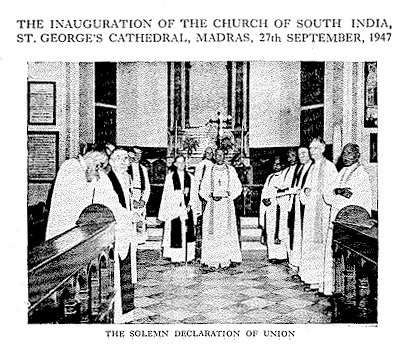
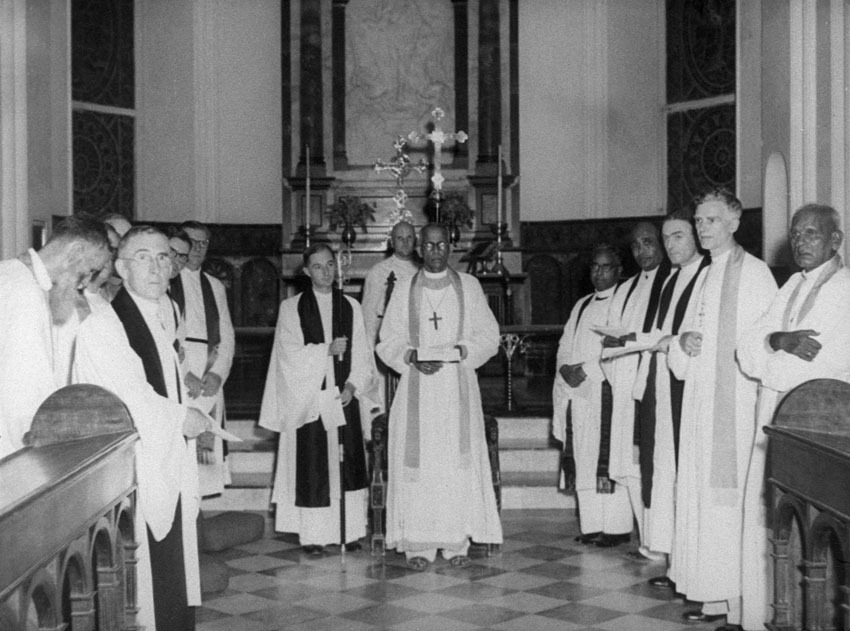
“Dearly beloved brethren, in obedience to the Lord Jesus Christ, the Head of the Church, who, on the night of His Passion prayed that His disciples might be one;
“and by the authority of the governing bodies of the uniting churches whose resolutions have been read in your hearing and laid in prayer before Almighty God;
“I do hereby declare that these three churches are be come one Church of South India and that those Bishops, Presbyters, Deacons and probationers who have assented to the Basis of Union and accepted the Constitution of the Church of South India, and whose names are laid upon this Holy Table, are Bishops, Presbyters and Deacons of this Church.”
Repository Name: Burke Library at Union Theological Seminary, Columbia University
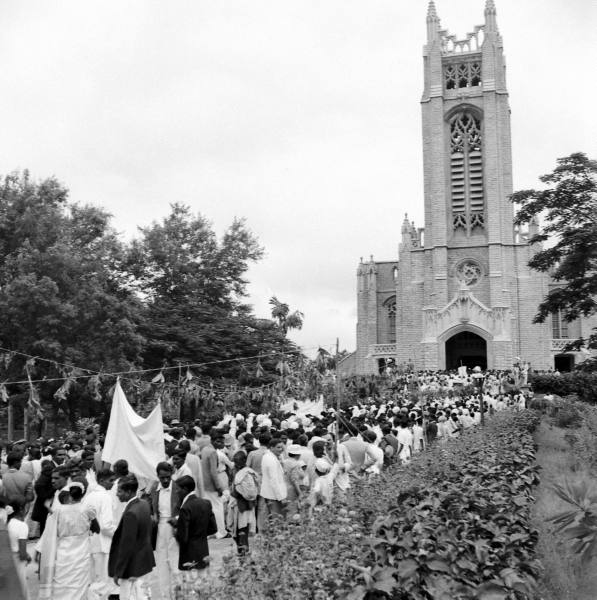
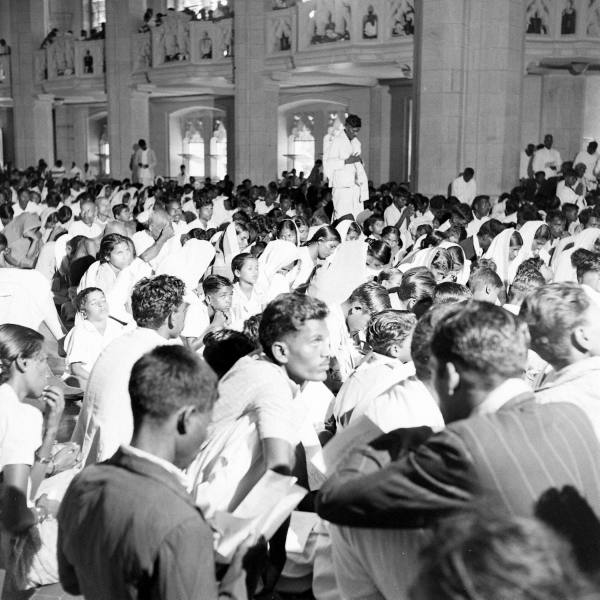
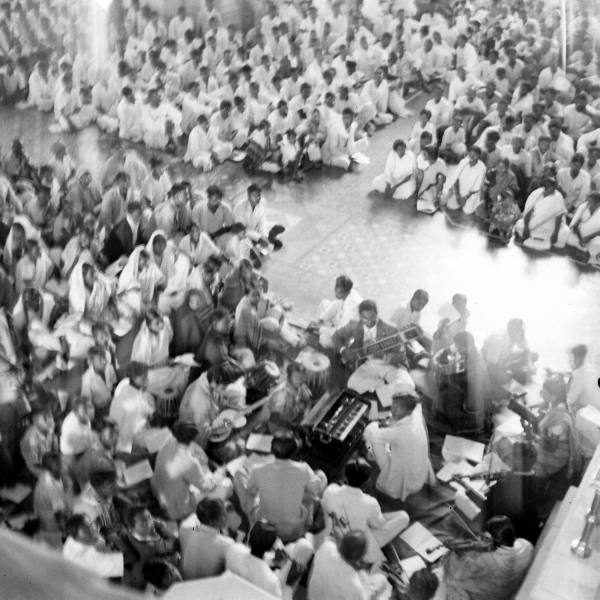
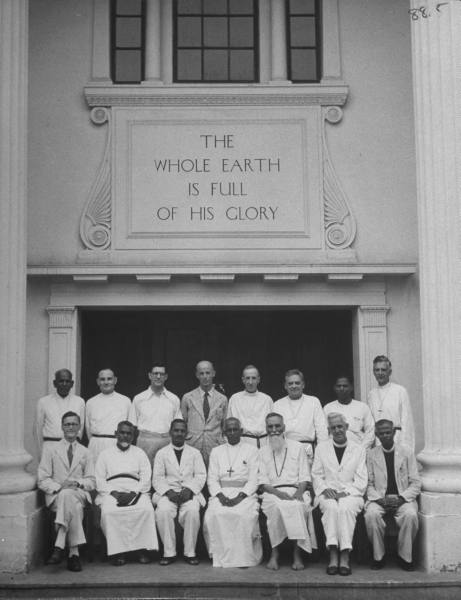
27 September, 1947: Formation of Church of South India (CSI), as a union of Anglican, Presbyterian, Congregationalist and Methodist churches. The idea of a Church union was proposed in 1919 at a conference held in Tranquebar (now Tarangambadi) in 1919. After 28 years of discussions various denominational churches in South India established by different Missionary societies agreed to the formation of the Church of South India in 1947 after India attained independence. The inaugural ceremony was held at St. George Cathedral Madras (Chennai).
Today the Church of South India is one of the largest Protestant churches in India and is a member of the Anglican Communion and its bishops participate in the Lambeth Conferences. It is also a member of the World Council of Churches, the World Alliance of Reformed Churches, and the National Council of Churches in India.
The Church of South India (CSI), Church of North India (CNI), and Malankara Mar Thoma Syrian Church of India jointly formed the Communion of Churches in India (CCI) in 1978 for mutual recognition of the ministry and leaders, inter communal relationship, and to explore possibilities of working together and other areas of cooperation in the fulfillment of the mission of the Church in India.
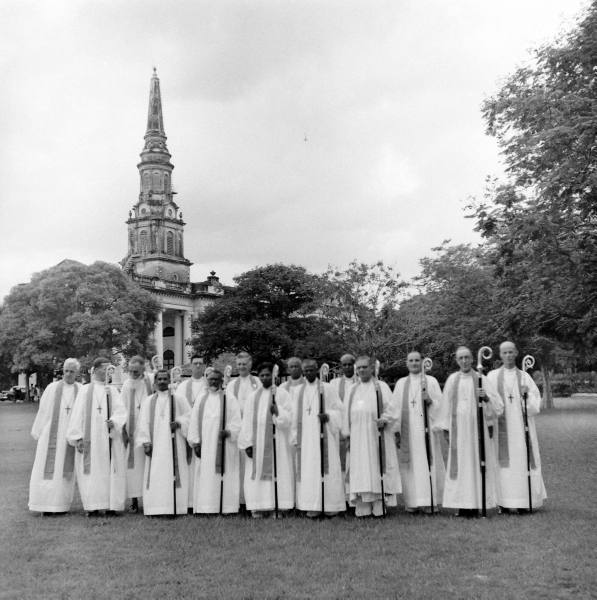
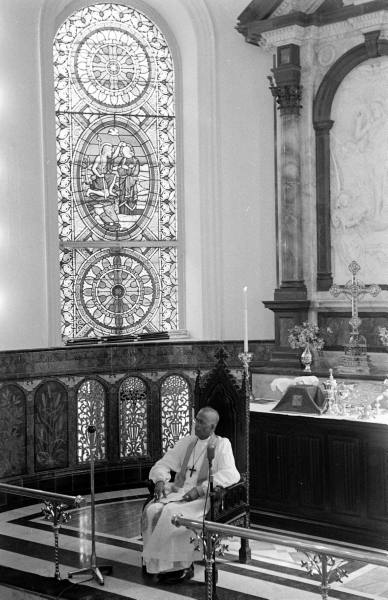
The presiding bishop of the inaugural function was the Rt. Rev. C. K. Jacob of the Anglican Diocese of Travancore and Cochin. A vast congregation gathered in the cathedral at Madras from all over the world. The following historical declaration was made by Bishop Jacob at the inaugural service.
“Dearly beloved brethren, in obedience to the Lord Jesus Christ the head of the church, who on the night of his passion prayed that his disciples might be one, and by authority of the governing bodies of the uniting churches whose resolutions have been read in your hearing and laid in your prayer before Almighty God; I do hereby declare that these three churches, namely – the Madras, Madura, Malabar, Jaffna, Kannada, Telugu, Travancore Church councils of the South India United Church; the Methodist Church of South India, Trichinopoly, Hyderabad and Mysore districts; the Madras, Travancore and Cochin, Tinnevelly and Dornakal dioceses of the Churches of India, Burma and Ceylon; are become one Church of South India, and these bishops, presbyters, deacons and probationers who have assented to the basis of union and accepted the constitution of the Church of South India, whose names are laid upon this holy table, are bishops, presbyters and deacons of this church. In the name of the Father, and the Son, and the Holy Spirit, Amen.” ~ wikipedia





Explaining the Maramon Convention 2023 to Children (Free pdf) Useful for Sunday School students and teachers!
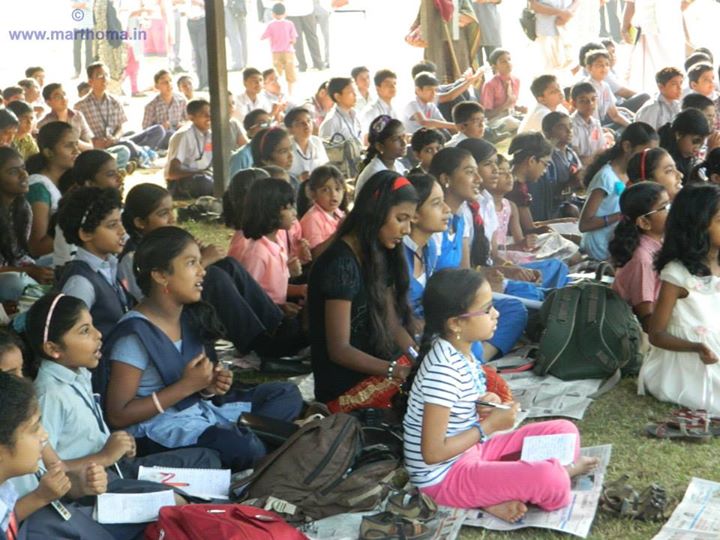
A free pdf resource sheet for Parents / Sunday School Teachers to explain to their children facts and events chosen from the history of the Maramon Convention.

Saluting our Freedom Fighters on India’s Independence Day
There have been several great souls in the Syrian Christian Community who rose to partake in the freedom struggle for India’s Independence. As India enters the 75th year of Independence, Nalloor Library would like our readers to remember a few freedom fighters who represented the Syrian Christian community and share their stories in their Sunday Schools and meetings across the world. This list is no means a complete list and only four have been chosen as representatives. We salute each and every freedom fighter across this great nation who participated in the freedom struggle and those who gave their lives for India’s freedom. Jai Hind!
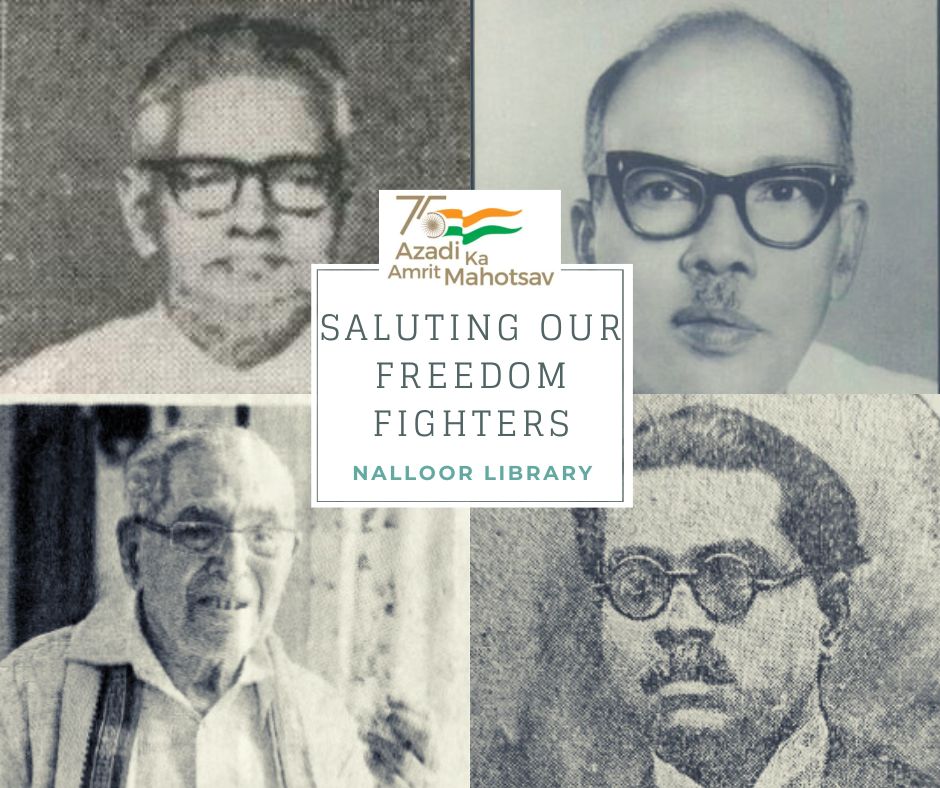
Shri Thevarthundiyil Titus also known as ‘Titusji’ – Dandi March
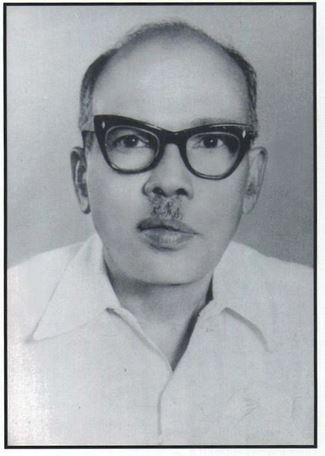
The historic Dandi Salt march by Mahatma Gandhi in 1930 triggered the wider Civil Disobedience Movement leading to India’s freedom from the British. Among the marchers that would change India’s destiny was just one Christian and a Mar Thomite, Shri Thevarthundiyil Titus also known as ‘Titusji’. A devout Gandhian – he was known by the name Titus in his earlier days. “Titusji” was the name given to him by Mahatma Gandhi as a token of love and honour.
Read more: Remembering the Mahatma of the Mar Thoma Church (Freedom Fighter) Rare Photos and Video
Mr. O. C. Chacko of the Indian National Army (INA)
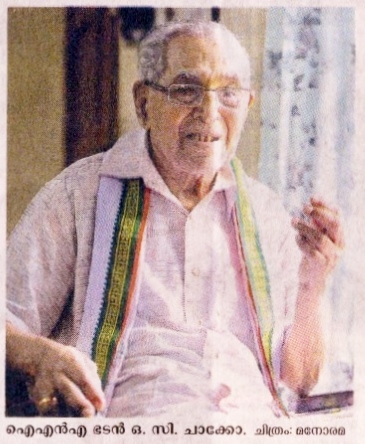
Mr. O. C. Chacko was part of the Indian National Army (INA) of Subash Chandhra Bose and member of the Kuriannoor Mar Thoma Church, Pathanamthitta, Kerala. We post a link to a write up that was published on his 100th (centenary) birth anniversary.
Read More at: 100th Birth Anniversary of a Marthomite Freedom Fighter – Mr. O. C. Chacko
Rev. C.V.George B.A., B.L
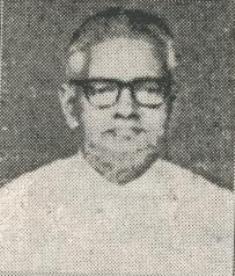
General Secretary of the Mar Thoma Sunday School Samajam. He was the only Mar Thoma Priest who is recognized and awarded as a freedom fighter by the Government. Before his ordination, he was in jail for almost a year for his participation in the Freedom movement of India.
Read more at: Pages from History: Birth of Freedom Fighter (Advocate) Rev. C.V.George B.A., B.L
George Joseph
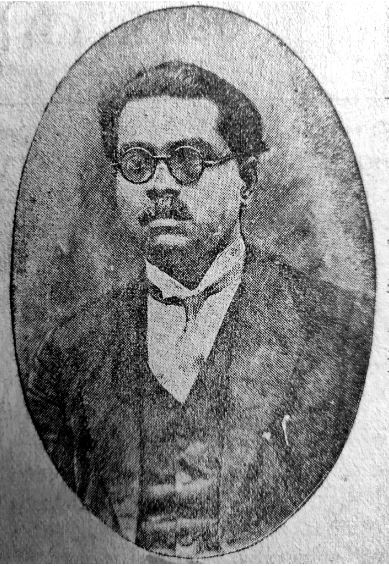
George Joseph, a barrister, fiery nationalist, avant-garde journalist, pioneer trade unionist, and ardent champion of important public causes, has etched an indelible place in the history of India’s war for Independence. He hailed from Kerala and was not just a pioneer in several fields, he was also a staunch supporter of Annie Besant’s Home Rule movement and Gandhiji’s Non-Cooperation movement during India’s freedom struggle.
He was born in Chenganoor (Kerala) in 1887, which at that time was part of the Travancore Kingdom. He completed his Law at the University of Edinburgh and it was during his stay in London that he became acquainted with notable freedom fighters like Madam Cama, S K Verma, S R Rana, and Veer Savarkar. He returned to India after finishing his education and though he established his legal practice initially in Chennai, he eventually shifted it to Madurai. George Joseph went on to become a famous criminal lawyer in Madurai. From the time he started practising there, he championed the cause of Madurai’s tribes, such as the Piramalai Kallars and Maravars. In 1920, following the Perungamanallur firing (also referred to as the Jallianwalla Bagh of the South), the British implemented the Criminal Tribes Act, labelling these groups as criminals. He vehemently opposed the Act by voicing his opinions in newspapers and he also represented these communities in court proceedings. The residents of these settlements gave him the name ‘Rosapoo Durai’ (a Rose amongst Leaders), as a symbol of their gratitude. ~indianculture.gov.in
Free EBook to celebrate 75 years of Hoskote Mission [Platinum Jubilee]. 1947-2022
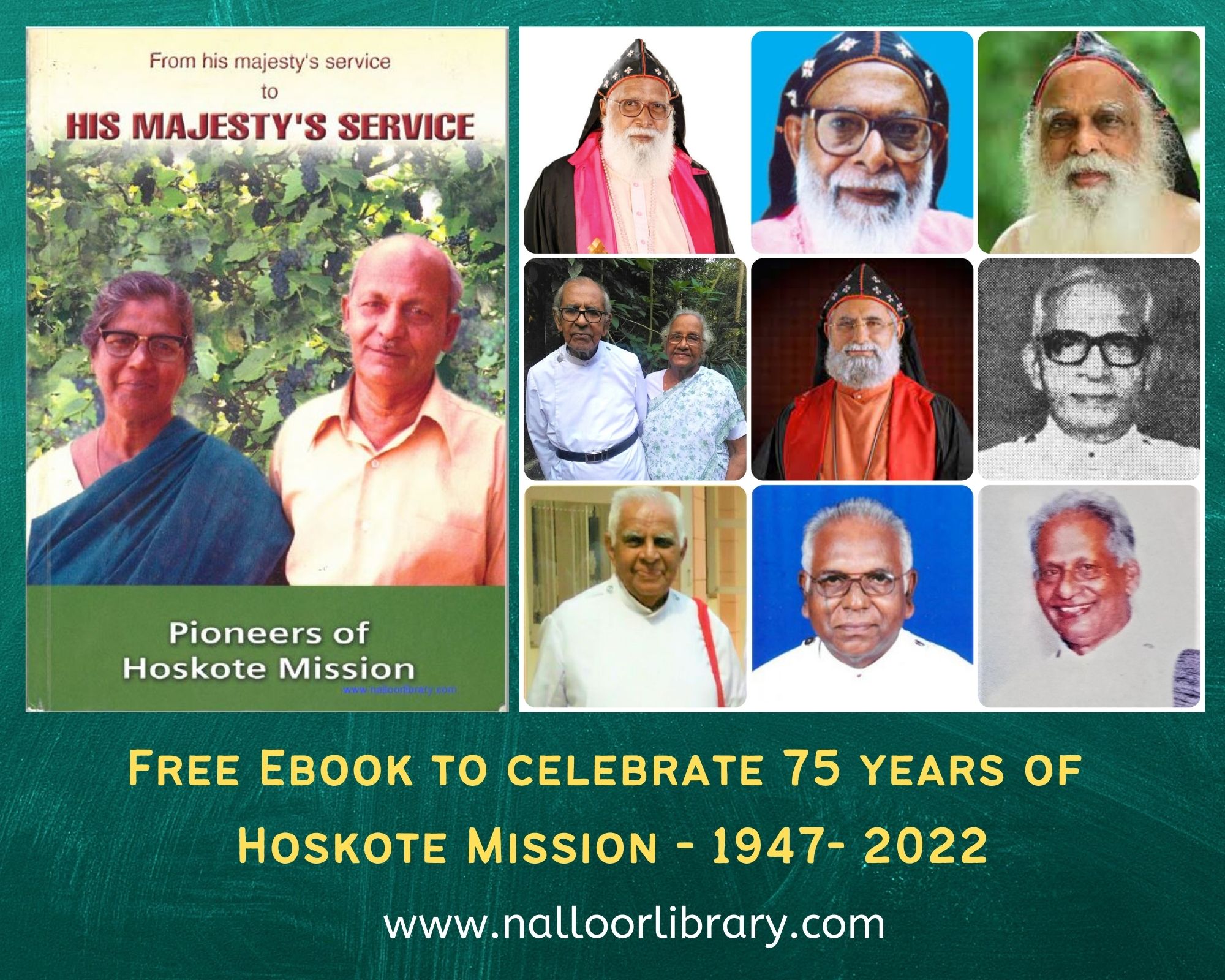
On 26th June 2022, Hoskote Mission will celebrate 75 years (Platinum Jubilee). The Hoskote Mission Medical Center was established in 1947 in Hoskote, Bangalore Rural District, Karnataka by two missionaries Mr. M. T. Joseph and Mr. A.C. Zachariah along with their wives Mariamma Joseph and Saramma Zachariah. As part of this historic moment, Nalloor Library presents a free Ebook version of – ‘From his majesty’s service to His Majesty’s Service’ (Pioneers of Hoskote Mission) released in December 2003.
Articles in the book are in both English and Malayalam and include recollections from the late Rt. Rev. Dr. Alexander Mar Thoma Valia Metropolitan, late Rt. Rev. Philipose Mar Thoma Valia Metropolitan, late Rt. Rev. Dr. Joseph Mar Thoma Metropolitan, Rt. Rev. Joseph Mar Barnabas Suffragan Metropolitan, Acharya Rev. K. J. Samuel, late Very. Rev. C. G. Alexander, late Rev. Dr. K. P. Mathai, Rev. E. J. George and more.
Contents
English
- Manon Ousephachen – Rt. Rev. Dr. Joseph Mar Irenaeus Suffragan Metropolitan
- Builders of the Kingdom of God -Rt. Rev. Joseph Mar Barnabas Episcopa
- Speaking Ill of Others ! – Acharya Rev. K. J. Samuel
- A Reflection on the life of Mr. and Mrs. M.T. Joseph – Rev. P. V. Philip
- A Pillar in the Temple of God – Rev. P. Chacko and Mrs. Thankamma Chacko
- Blessing Harper -Miss Blessing
- Consolation Letter -Rev. A.C. Zachariah
- Appachen -Dr. Rajan Koshy
- M.T. Joseph -Very. Rev. C. G. Alexander
- Impressions and Reflections -Mrs. E. V. Mathew
- Early Days of Pennamma (Mrs. M.T. Joseph)
- Memoirs of ‘Hoskote Ashram’, the place where I grew up -Thomas Joseph (Jay)
- A more excellent way – Grace John
- My Beloved Mother – Grace John
- Hoskote Mission – Rev. Dr. K. P. Mathai
- Photos
Malayalam
- My Memories about Hoskote Mission Field – Rt. Rev. Dr. Alexander Mar Thoma Valia Metropolitan.
- Classmate of my Brother -Rt. Rev. Philipose Mar Chrysostom Mar Thoma Metropolitan
- Sweet Memories -Mary and Sally
- Joseph Sar and family -Witnesses of Christ in Hoskote -Mr. K. V. Mathew
- The Torch Bearers of the Gospel in Karnataka -Mr. V. Mathai
- Appachen -Ms. P.T. Mariamma
- Unforgettable Memories -Mr. T. M. Koshy, Evangelist
- Memories, Memories … -Rev. E. J. George
- Joseph Sar and Kochamma still alive in my memory – Ms. Aleyamma Mathew
- Two Brave Martyrs for Christ – Mr. K. V. Varghese
- Appachen and Ammachi in our Memories – Rev. P. E. Mathew and Mrs. Laly Mathew
- Remembrance News Article – Suvisesha Doothan – Magazine of the Mar Thoma Evangelistic Association (MTEA)
- MTEA General Secretary’s Letter – Article – Suvisesha Doothan – Magazine of the Mar Thoma Evangelistic Association (MTEA)
About the Writers
Note:
This book is a collection of memories penned down by people who have closely interacted or worked with Mr. and Mrs. M. T. Joseph (Co-founders of Hoskote Mission). This book comes from a need that old memories of the pioneers would encourage and inspire more people to join the ministry and take up from where they left. History repeats itself and the only way people would be inspired to carry on with this great legacy we have been handed down is to read and pass on the memories of yesteryears.
Almost all the people who have contributed to this book are people who have done their part in building up the Kingdom of God. This is not a book to highlight or to downplay any individual’s work but rather an attempt to preserve and record history of the past events. It would be a testimony to show how God uses ordinary people from all walks of life simultaneously to carry out His mission and work of letting the whole world know of His Saving Grace.
We earnestly pray and believe that this book will inspire many of you to pray and support the work of the Hoskote Mission.
50 Glorious Years: 29 November, 1970: Formation of Church of North India (CNI).
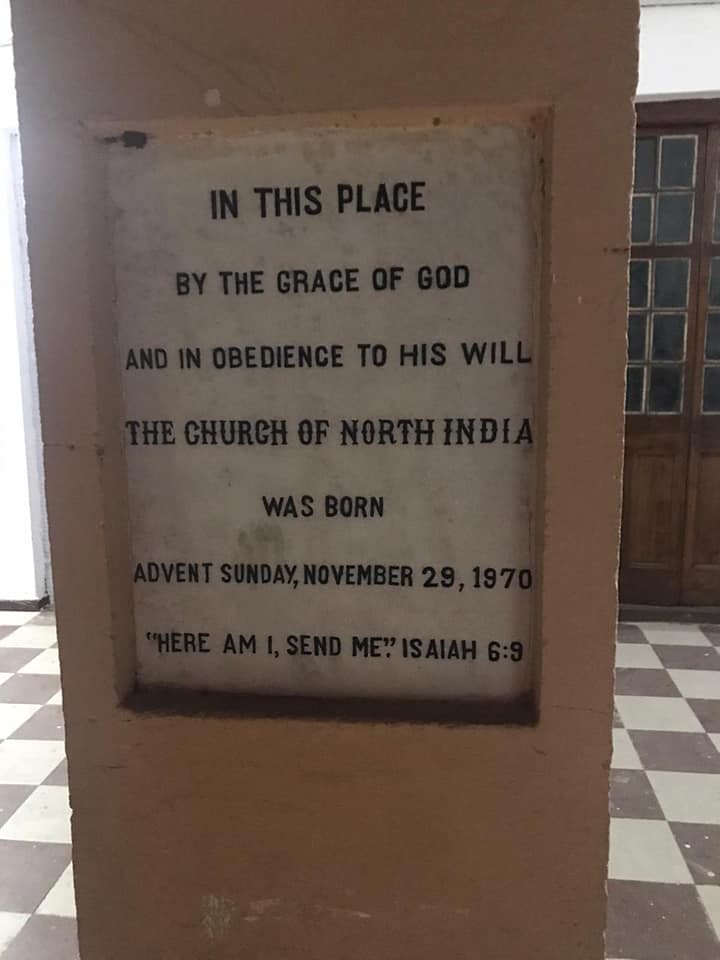
29 November, 1970: Formation of Church of North India (CNI). The inaugural meeting of the CNI was held in the Unity Hall opposite the Anglican Cathedral in Nagpur. The metropolitan of the Mar Thoma Syrian Church Dr. Juhanon Mar Thoma attended this meeting.
The Church of North India was established in 1970 after a series of consultations that began in 1929. The fourth and final edition of the plan was complied in 1965, and on that basis Church Union in North India was inaugurated on the 29th of November, 1970 in Nagpur.
Churches that formed the new Church of North India, included:
- The Church of Northern India
- The Church of India, Pakistan, Burma and Ceylon
- The Methodist Church in Southern Asia
- Council of the Baptist Churches in Northern India
- The Church of the Brethren and the Disciples of Christ (1957)
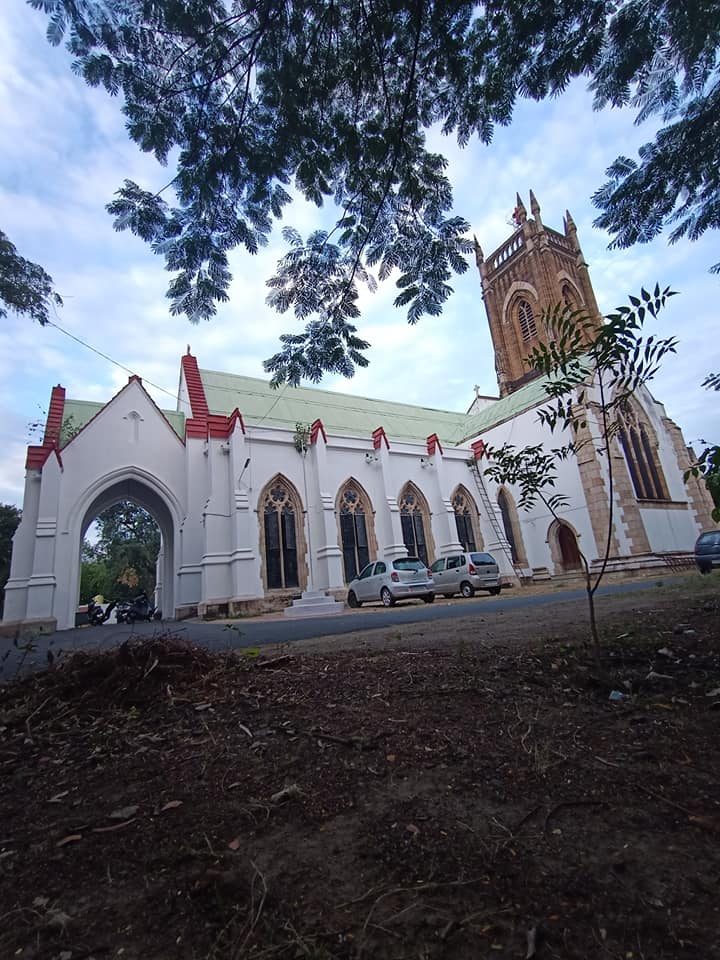
The concern for a unified Church grew out of a zeal for the mission of the Church. A divided Church could not bear witness to the one Gospel and the one Lord in a country like India with its diverse religions, languages, races and cultures. Through the process of negotiations and prayerful seeking of the guidance of the Holy Spirit, unity was achieved in the understanding and practice of the sacraments of Baptism and the Lord’s Supper, the three-fold ministry of Bishops, Presbyters and Deacons and in the organizational structures of Pastorates, Dioceses and the Synod. Episcopacy was received and accepted as both constitutional and historic. The Church of North India was created as a unifying body to reach out to those in need and provide spiritual guidance and support. ~ http://cnisbss.org/cni/
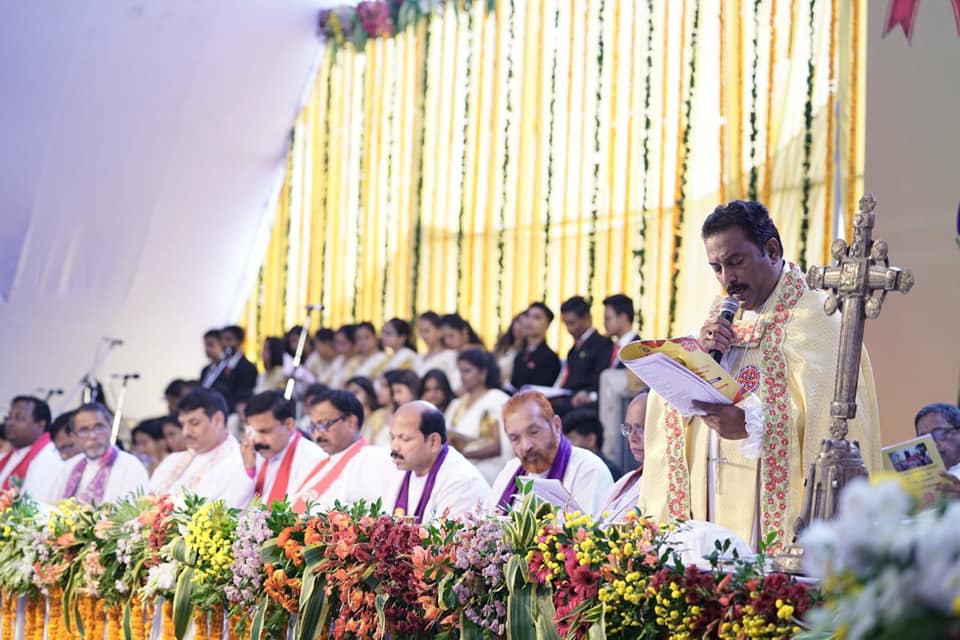
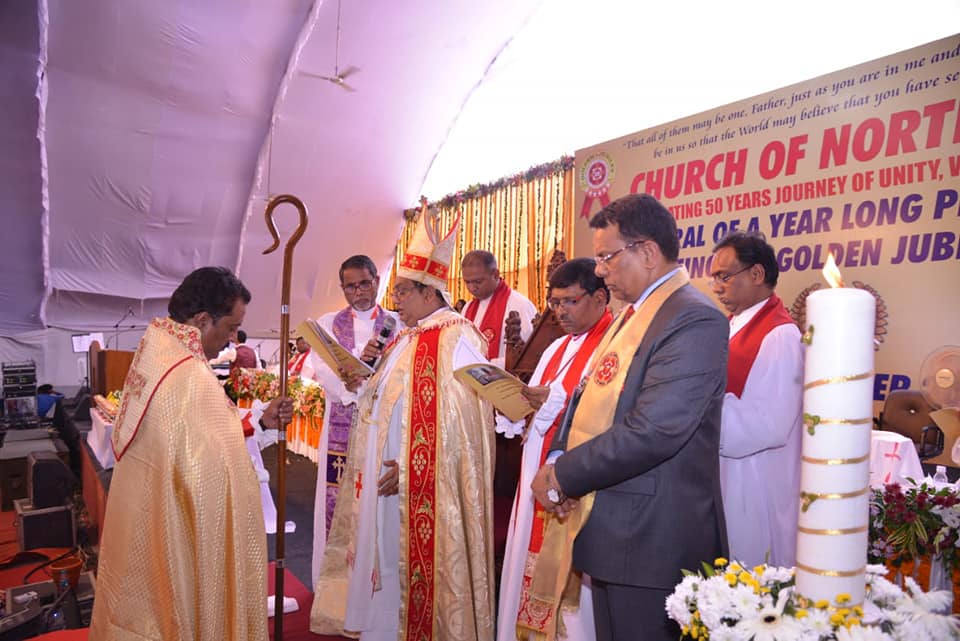
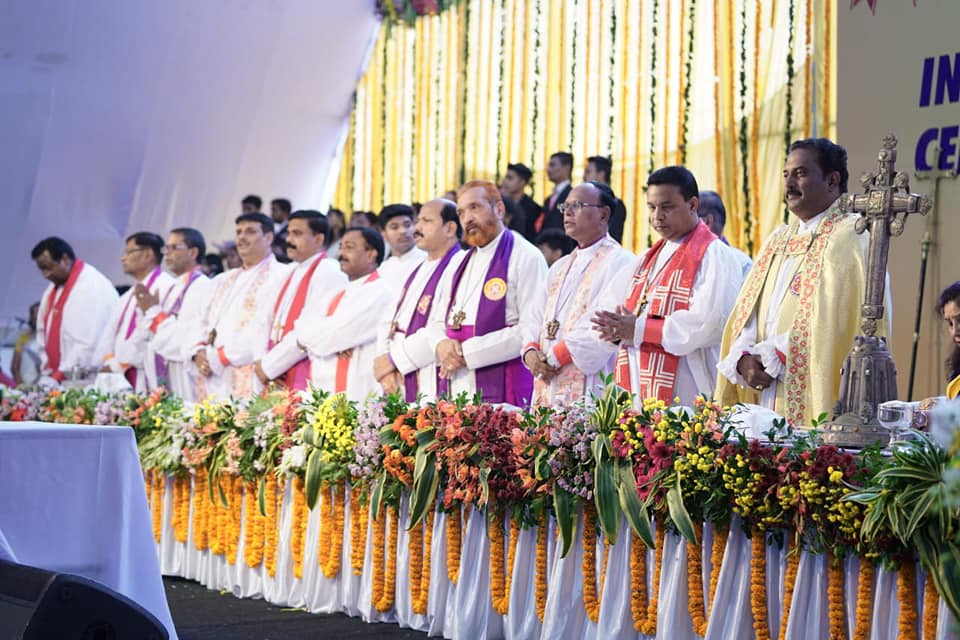
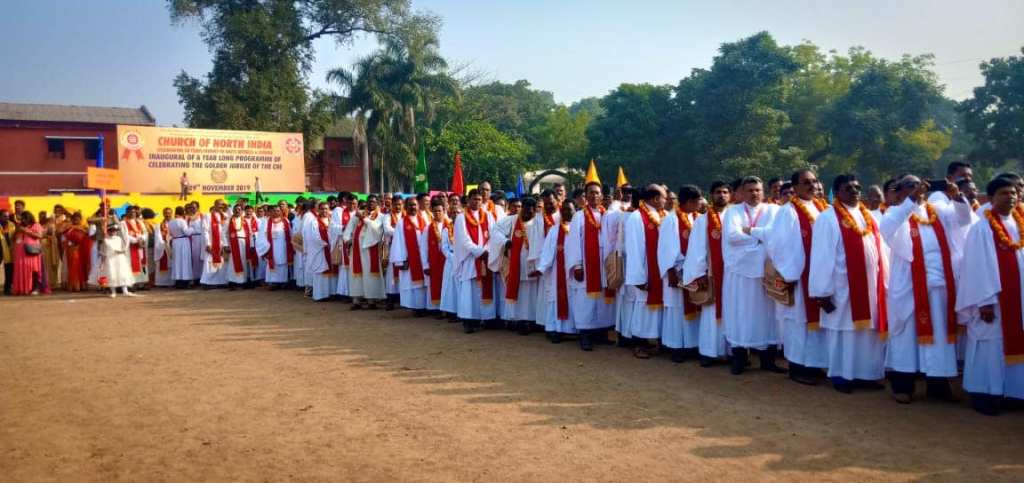
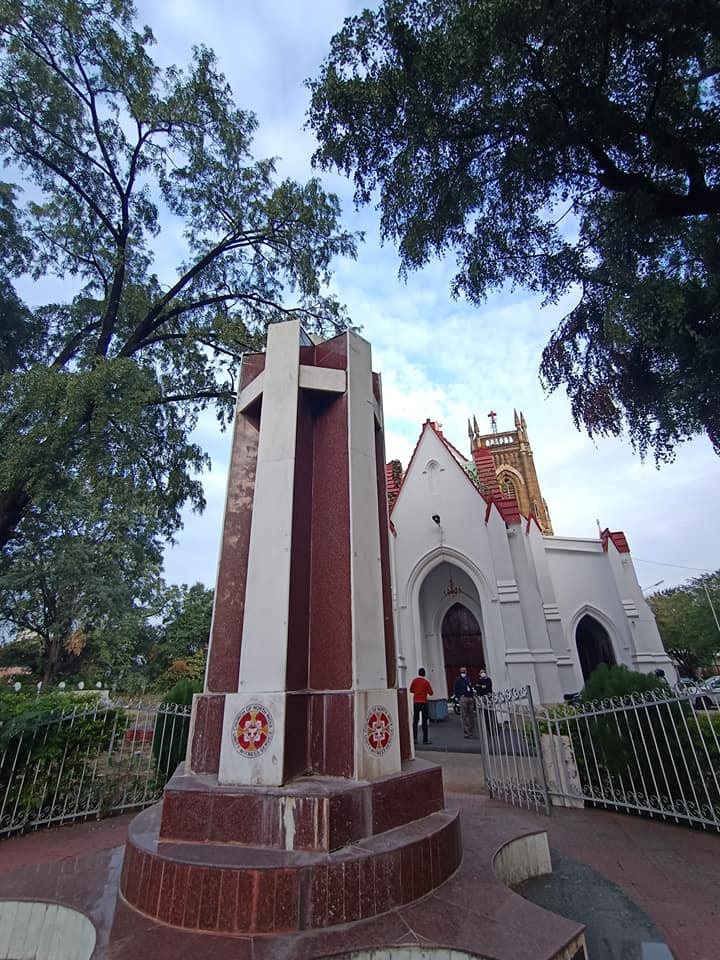
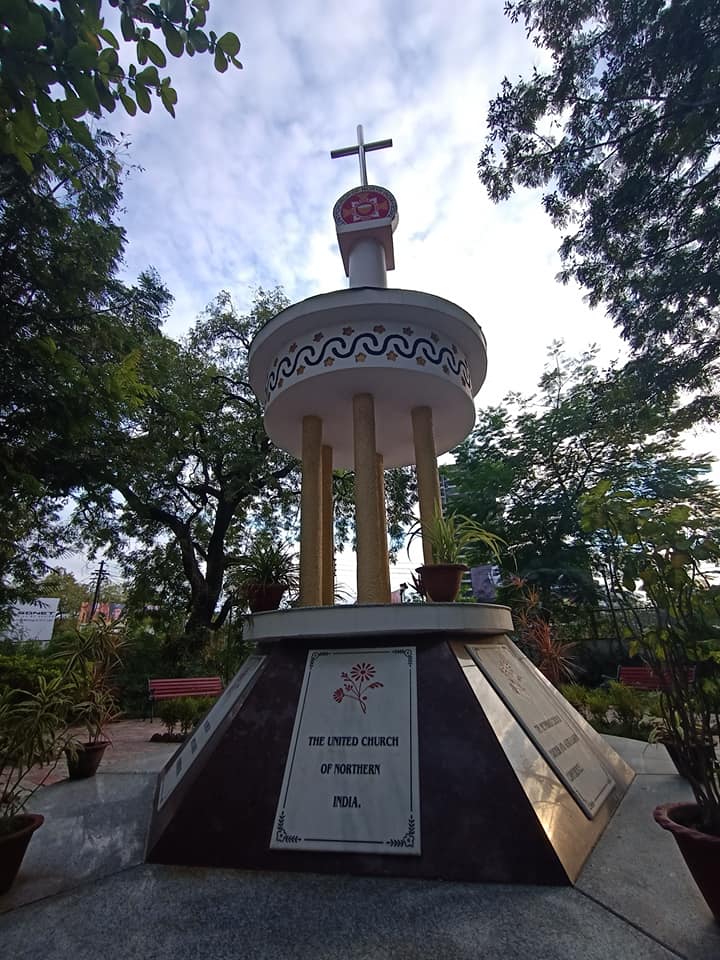
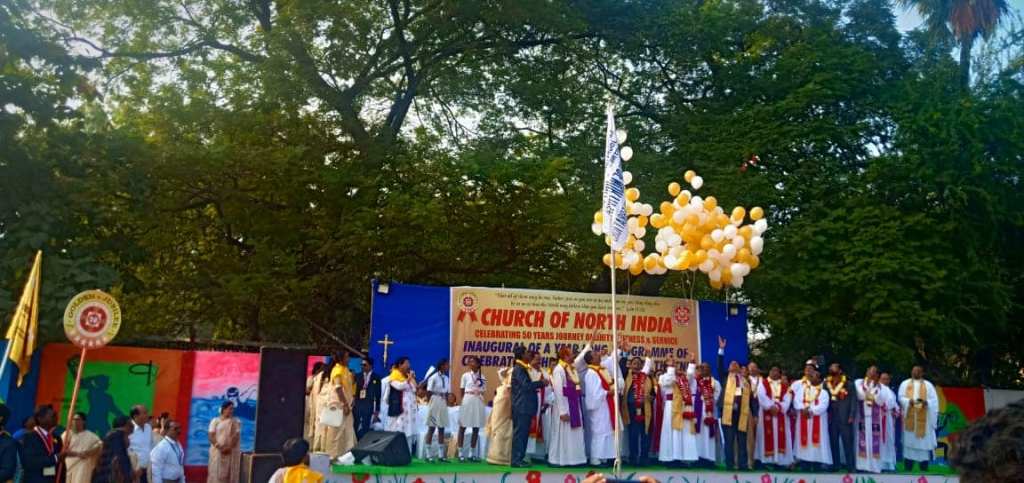
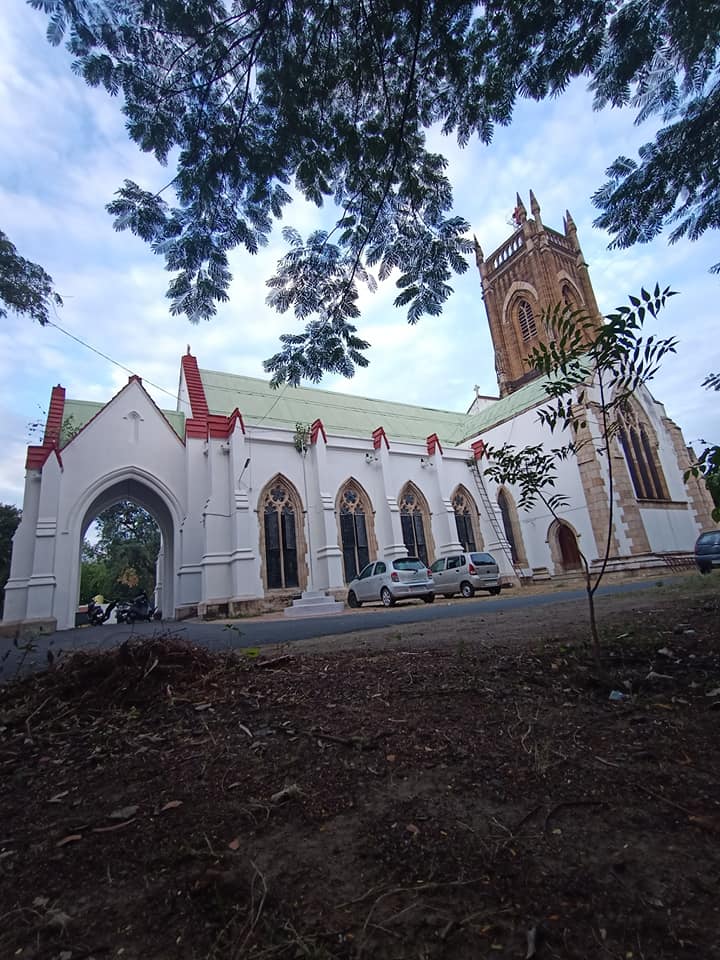
Golden Jubilee Of Church of North India CNI at Nagpur 2019
Photo credits Shona Thangavel and Richard Masih
Hear Barbara Beach Alter speak about the auspicious day. She and her husband James were present for the event. They spent 35 years in Northern India serving the American Presbyterian Church as missionaries. Her theology evolved by interacting with and reading the books of Indian nationalist Mahatma Gandhi and the French Benedictine priest Abhishiktananda.