World Sunday School Day: 5 Nov 2023 (Free Ebook – Robert Raikes and how we got the Sunday School)
5th November 2023 : World Sunday School Day – The first Sunday of the Month of November is celebrated throughout the world as Sunday School Day. The Mar Thoma/ CSI/ CNI churches are celebrating Sunday, 5th November, 2023 as World Sunday School Day.
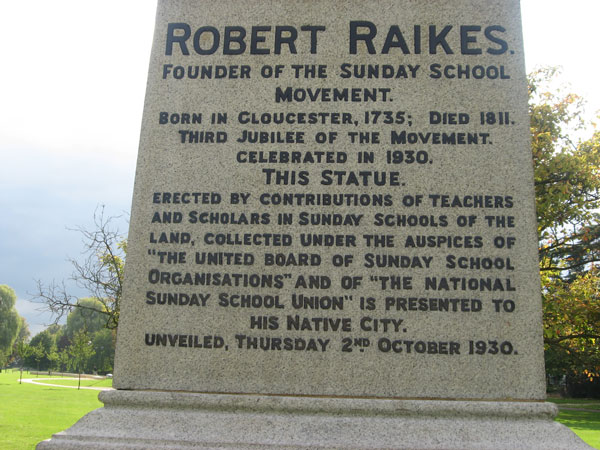
Robert Raikes (1735- 1811), an English Publisher, started the first Sunday School in the city of Gloucester in England in 1780. During the early days, reading, arithmetic and Bible was taught at the Sunday Schools.
In 1809, Church representatives of the Malankara Churches held a meeting at Kandanadu Church, near Ernakualam to arrange facilities to teach children in the Church about religion, prayers and sacraments. The India Sunday School Union was founded in 1876.
The Mar Thoma Sunday School Samajam was established on 25 February 1905, at the Maramon Convention.
We encourage our readers to read and share this Free 4 page PDF Ebook Resource for your Sunday Schools and children’s services: Robert Raikes and How We Got Sunday School
Also read – Pages from History: Formation of Mar Thoma Sunday School Samajam – 1905

22nd October 2023: Family Sunday Service (Free Malayalam pdf EBook) CNI-CSI-MarThomaSyrianChurch
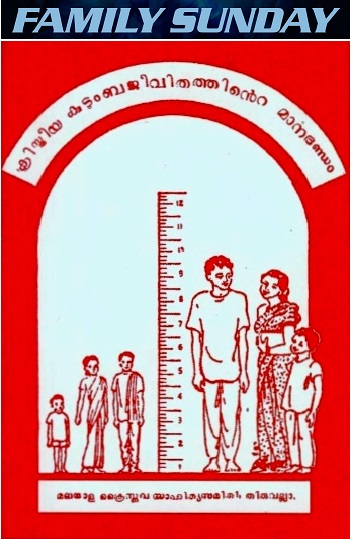
On 22nd October 2023 (21st Sunday after Pentecost), Family Sunday is celebrated by the CSI church, CNI church and the Mar Thoma Syrian Church. This year’s motto is “Family an expression of the Kingdom of God”.
Download this free pdf Ebook published in Malayalam in 1951 that is still relevant to today’s Christian life. This book can be used as a resource for your Family Sunday service. The link can be shared and used by church members, parishes and church organizations. It can be accessed on any smartphone, tablet or computer for free.
The Principles of Christian Family Life (Malayalam) (Published in 1951)


Mar Thoma Voluntary Evangelists’ Association Day – 1st October
The Mar Thoma Voluntary Evangelists’ Association, established in 1924, is a recognized organization within the Mar Thoma Church. The reformation within the church ignited a strong desire among people for group prayer and Bible study. Rev. C.P. Abraham Kassissa initiated the inaugural prayer meeting at Chayal Mar Thoma Church, Ayroor, which later evolved into monthly gatherings.
The first anniversary meeting, presided over by Most Rev. Dr. Abraham Mar Thoma, took place at Sehion Mar Thoma Church in Ayroor. Subsequently, on August 23, 1924, as decided during the first anniversary meeting, a special assembly was convened at Chayal Palli. During this gathering, an association was formally established under the name “Malankara Mar Thoma Somedha Suvishesha Sanghom” which was later changed to its current form in English as the “Mar Thoma Voluntary Evangelists’ Association”.
. The following individuals were elected as office bearers:
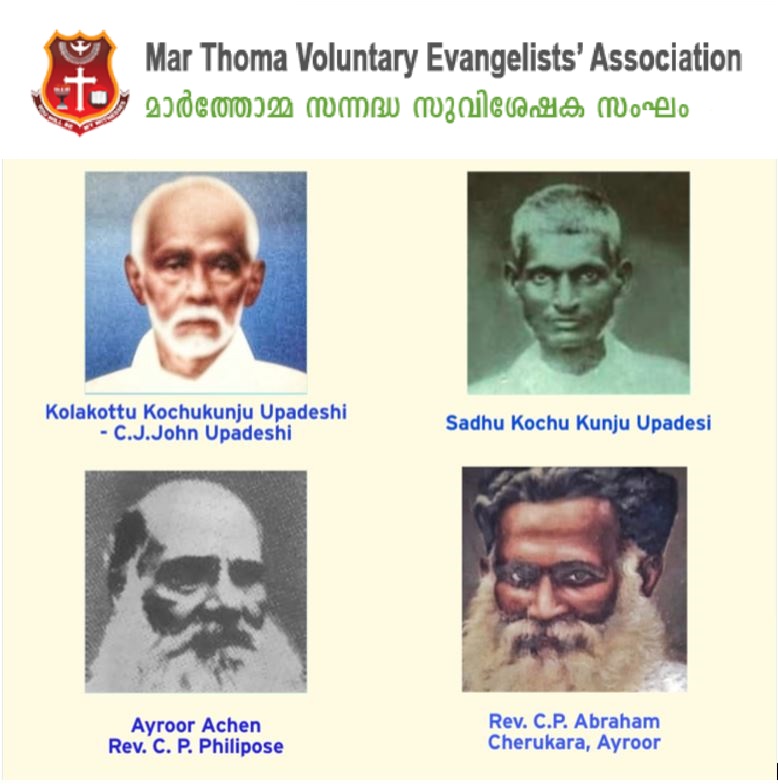
- President: Very Rev. C.P. Philipose Kasseessa
- General Secretary: Sadhu Kochukunju Upadeshi, Muthampakkal, Edayarnmula
- Travelling Secretary: Kolakottu C.J. John Upadeshi
This association began as a fellowship of dedicated believers who volunteered their efforts in God’s vineyard without seeking financial gain or personal motives.
The association’s activities are guided by a Seven Point Program:
- Intercession
- Bible Study
- Sharing of Experiences
- House Visits
- Ministry to the Sick and Needy
- Conducting Prayer Meetings
- Spreading the Gospel among People of Other Faiths and Ideologies
Notable activities include:
- Edavaka Mission
- Gospel Team
- Abraham Mar Thoma Memorial Bible Institute
- Abraham Mar Thoma Memorial Convention
- Abraham Mar Thoma Memorial Lectures
- Monthly Intercession Prayers, including All-Night Prayer
- Suvishesha Nilayam and Mission Fields
The camp center for these activities is the JMT Camp, which also serves as a research and meditation center located in Kombadi, Tiruvalla.
The Association manages three mission fields at Achencovil near Punalur, Mukkada near Ranny and Kalkulam near Chungathara. Its official magazine is the Tri-Monthly ‘Sandesam’ containing sermon notes, Bible studies, articles and the news about the association.

The Mar Thoma Voluntary Evangelists’ Association serves as the organization in the Church emphasizing the ministry of the laity in the Church. The Platinum Jubilee of the Association was celebrated in 1999.
C. P. Abraham Kasseessa, Cherukara Chuzhukunnil, Ayroor 1876-1940
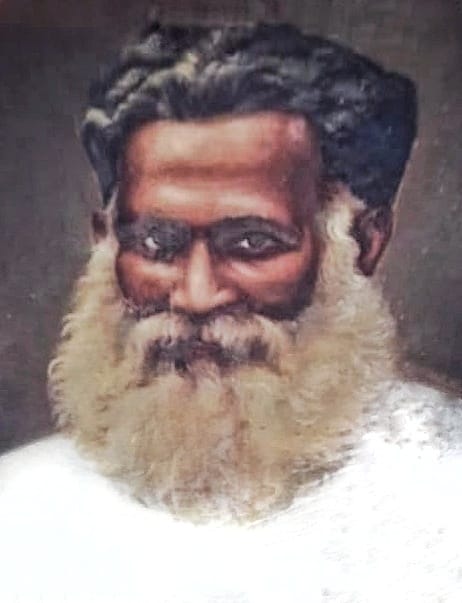
C. P. Abraham Kasseessa, hailing from Cherukara Chuzhukunnil, Ayroor (1876-1940), was the son of the Vicar General, Very Rev. Philipose Malapan (1836-1894), of Cherukara in Ayroor. Abraham’s ecclesiastical journey began after completing his Matriculation when he became a Deacon in 1897 and subsequently a Priest in 1898. His visionary zeal led to the establishment of numerous Mar Thoma Parishes in and around Ayroor, and it was his unwavering commitment that ultimately gave rise to the Evangelists’ Association.
During the Revival Movement (Naveekaranam), prayer groups emerged in various Mar Thoma Parishes. These groups dedicated themselves to Bible Study, Intercessory Prayer, and spreading the Gospel message. Under the guidance of Rev. C.P. Abraham Kasseessa, prayer groups from Kuriannoor, Ayroor, Maramon, and Kozhencherry convened at Chayal Mar Thoma Church, Ayroor. The inaugural meeting occurred on August 23, 1923, followed by monthly gatherings led by Abraham Kasseessa.
The first anniversary meeting, presided over by Abraham Mar Thoma Thirumeni, took place at Sehion Mar Thoma Church in Ayroor. Subsequently, on August 23, 1924, as decided during the first anniversary meeting, a special assembly was convened at Chayal Palli. During this gathering, an association was formally established under the name “Malankara Mar Thoma Somedha Suvishesha Sanghom” which was later changed to its current form. The following individuals were elected as office bearers:
- President: Very Rev. C.P. Philipose Kasseessa
- General Secretary: Sadhu Kochukunju Upadeshi, Muthampakkal, Edayarnmula
- Travelling Secretary: Kolakottu C.J. John Upadeshi
Ayroor Achen, Rev. C. P. Philipose
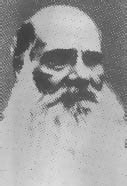
Ayroor Achen, Rev. C. P. Philipose (born. May 25, 1868, died. February 2, 1948), son of Ayroor Cherukara Naranathu Paruvelithundiyil Very Rev. Philipose Malpan and Mariamma Philipose (Chengannur Kanjipuzhethu).
After completing his Bachelor of Arts (B.A.), he was ordained as a deacon in 1892 and later as a priest in 1895. Rev. C. P. Philipose served as the vicar for various parishes in the vicinity of Kozhencherry and Ayroor. Many of the Mar Thoma parishes to the east of Kozhencherry owe their establishment to his dedicated efforts.
In 1890, Rev. C. P. Philipose assumed the role of General Secretary of the Mar Thoma Evangelistic Association, a position he held for over half a century until his resignation due to declining health. He provided steadfast leadership for the Maramon Convention for nearly five decades and was a significant contributor as one of the main translators. His sons, Mr. C. P. Philip and Prof. C.P. Mathew, continued his legacy. Rev. C. P. Philipose passed away on February 2, 1948, and he was laid to rest in the cemetery of Kozhencherry Mar Thoma Church, in the front row.
Kolakottu Kochukunju Upadeshi, C. J. John Upadeshi
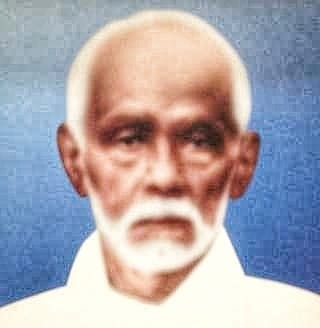
Kolakottu Kochukunju Upadeshi, also known as C. J. John Upadeshi (1879 – July 19, 1975), held the distinction of being the first Travelling Secretary of the Mar Thoma Evangelists’ Association. Born into the renowned Kolakottu Family of Ayroor, he received his early education in Ayroor itself. From a very young age, he nurtured a profound aspiration to engage in Gospel work. Despite being born with a physical impairment that caused a noticeable limp, he persevered in his calling, and God empowered him to provide significant contributions to the Voluntary Evangelists’ Association during its formative years.
At the inaugural meeting of the Voluntary Evangelists’ Association, held at Chayal Mar Thoma Church in Ayroor on August 23, 1924, he assumed the role of Travelling Secretary. His dedicated service spanned nearly four decades, during which he toured numerous Mar Thoma Parishes and established Association branches. He played an instrumental role in founding Edavaka Missions and facilitated the setup of administrative centers for the Association. His approach emphasized strengthening local branches rather than hosting grand conventions.For a period, he resided at the AMM Bible Institute in Kompadi, Tiruvalla, where he conducted Bible classes for students. He remained faithful to his mission until his heavenly calling.As the scriptures proclaim, “Those who are wise will shine like the brightness of the heavens, and those who lead many to righteousness, like the stars forever and ever.”
Sadhu Kochukunju Upadesi
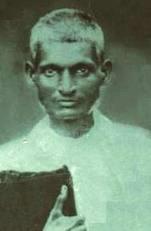
Sadhu Kochukunju Upadesi (born Dec 1883, died 30th Nov, 1945) also known as Mr. Moothampakkal Itty Varghese from Moothampakkal, Edayaranmula near Chengannur, held a remarkable place in the history of the Mar Thoma Syrian Church. He served as the inaugural General Secretary of the ‘Mar Thoma Voluntary Evangelists’ Association, established in 1924, and remained in this role until 1945. Over the span of nearly four decades, he fervently preached the teachings of the Bible in clear and accessible language throughout South India.
Sadhu Kochukunju Upadesi embodied the life of a true Sadhu, committing himself to a spiritual existence. He composed an impressive repertoire of more than 200 hymns, many of which continue to feature prominently in worship books across various denominations to this day. His powerful messages led thousands of individuals to turn to God in faith.
Read more about his life in our free pdf Ebook: https://nalloorlibrary.com/wp-content/uploads/2013/06/sadhu-kuchujunu-upadeshi.pdf
His Grace the Most Rev. Dr. Abraham Mar Thoma Metropolitan

Dr. Abraham Mar Thoma Metropolitan held the position of President in both the Mar Thoma Evangelistic Association and the National Missionary Society. In 1917, he was consecrated as a Bishop and served tirelessly as the Suffragan Metropolitan, dedicating himself to the spiritual fortification of the Church and its missionary endeavors. In 1944, upon the passing of Titus II Metropolitan, he ascended to the role of Metropolitan.
The Abraham Mar Thoma Bible Institute, established to train voluntary evangelists within the Church, bears his name in recognition of his contributions. His visionary outlook led to the creation of the Mar Thoma Suvishesha Sevika Sanghom in 1919 (Sevika Sanghom was inaugurated on Friday, February 14, 1919, during the Maramon Convention), as well as the Voluntary Evangelists Association in 1924.
He also played a pivotal role in the establishment of the Vanitha Mandiram in Tiruvalla, an educational institute for the Sevika Sanghom. Although his tenure as Metropolitan spanned only four years, his extensive ministry as a Bishop significantly fortified the Church in all its missionary endeavors. He departed to his eternal home in 1947.
Read more about his life in our free pdf Ebook: https://nalloorlibrary.com/wp-content/uploads/2013/06/ebook-dr-abraham-mar-thoma.pdf

Church South India – Celebrating 76 years of God’s Faithfulness (1947-2023) (Order of Worship, Video & Rare Photos)
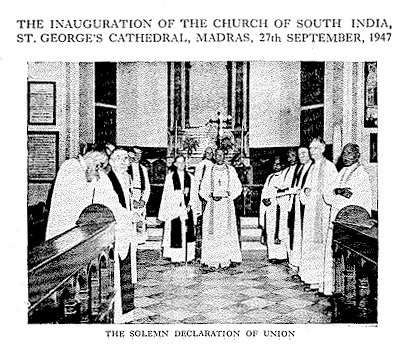
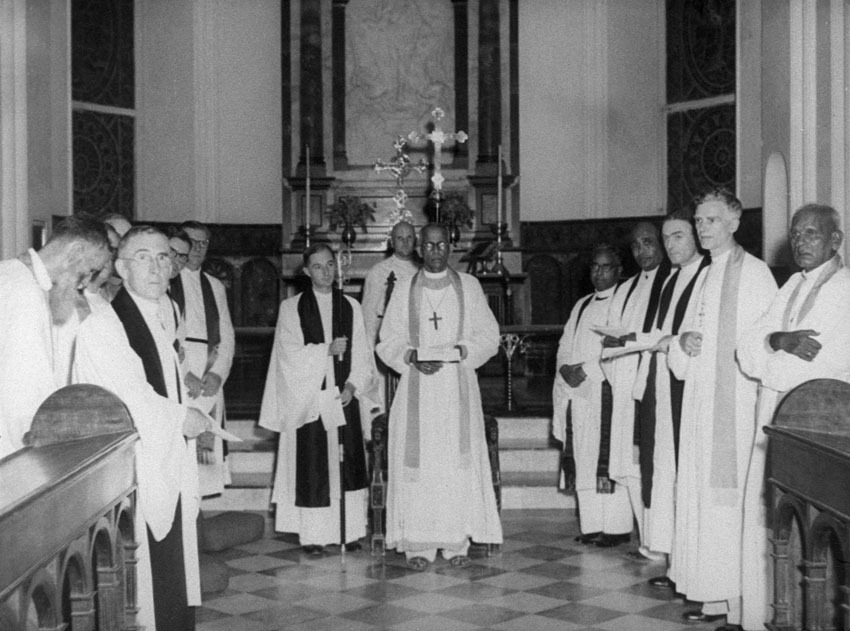
“Dearly beloved brethren, in obedience to the Lord Jesus Christ, the Head of the Church, who, on the night of His Passion prayed that His disciples might be one;
“and by the authority of the governing bodies of the uniting churches whose resolutions have been read in your hearing and laid in prayer before Almighty God;
“I do hereby declare that these three churches are be come one Church of South India and that those Bishops, Presbyters, Deacons and probationers who have assented to the Basis of Union and accepted the Constitution of the Church of South India, and whose names are laid upon this Holy Table, are Bishops, Presbyters and Deacons of this Church.”
Repository Name: Burke Library at Union Theological Seminary, Columbia University
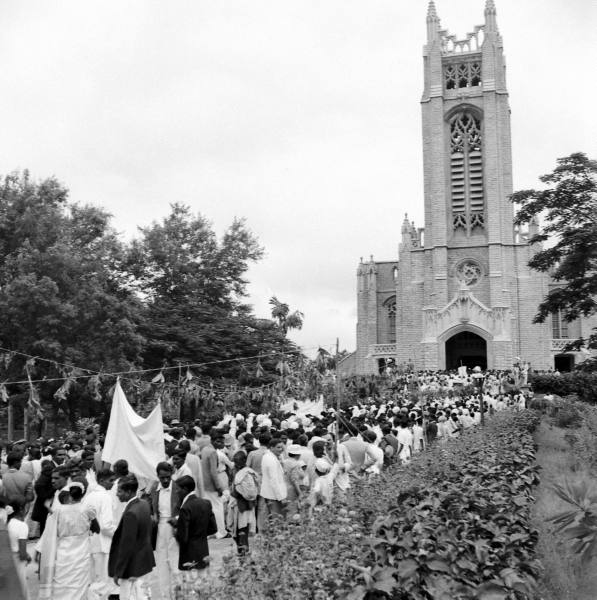
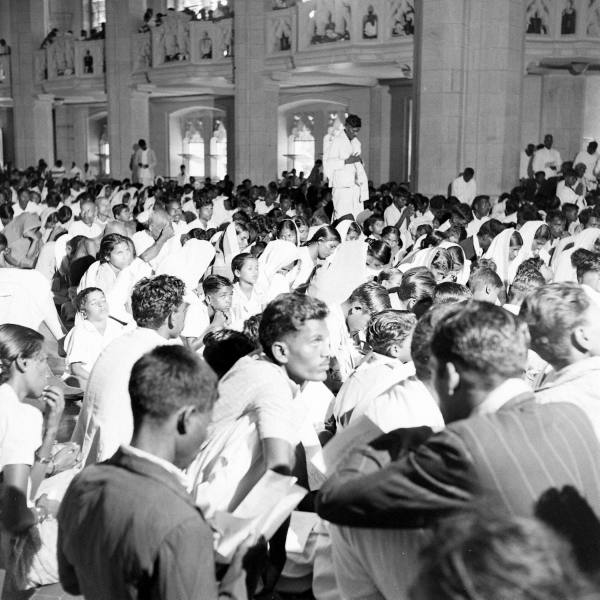
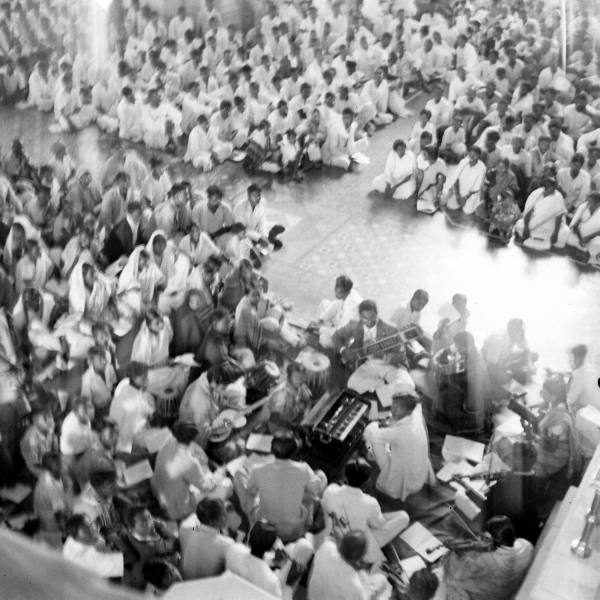
27 September, 1947: Formation of Church of South India (CSI), as a union of Anglican, Presbyterian, Congregationalist and Methodist churches. The idea of a Church union was proposed in 1919 at a conference held in Tranquebar (now Tarangambadi) in 1919. After 28 years of discussions various denominational churches in South India established by different Missionary societies agreed to the formation of the Church of South India in 1947 after India attained independence. The inaugural ceremony was held at St. George Cathedral Madras (Chennai).
Today the Church of South India is one of the largest Protestant churches in India and is a member of the Anglican Communion and its bishops participate in the Lambeth Conferences. It is also a member of the World Council of Churches, the World Alliance of Reformed Churches, and the National Council of Churches in India.
The Church of South India (CSI), Church of North India (CNI), and Malankara Mar Thoma Syrian Church of India jointly formed the Communion of Churches in India (CCI) in 1978 for mutual recognition of the ministry and leaders, inter communal relationship, and to explore possibilities of working together and other areas of cooperation in the fulfillment of the mission of the Church in India.
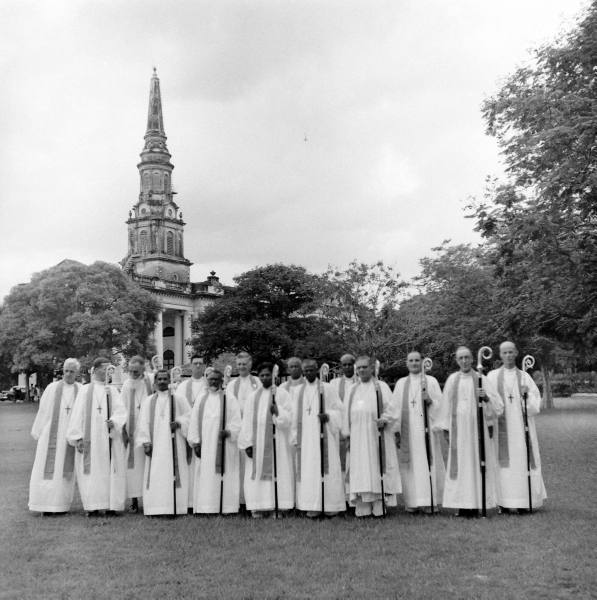
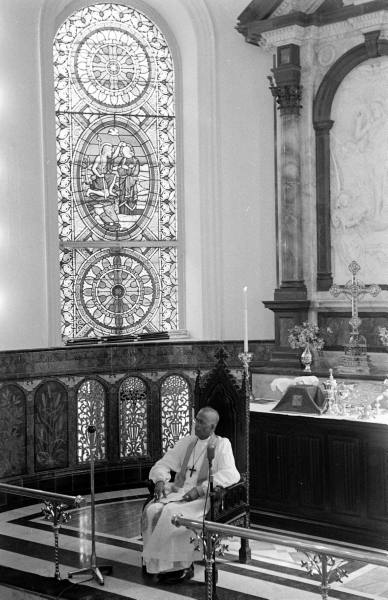
The presiding bishop of the inaugural function was the Rt. Rev. C. K. Jacob of the Anglican Diocese of Travancore and Cochin. A vast congregation gathered in the cathedral at Madras from all over the world. The following historical declaration was made by Bishop Jacob at the inaugural service.
“Dearly beloved brethren, in obedience to the Lord Jesus Christ the head of the church, who on the night of his passion prayed that his disciples might be one, and by authority of the governing bodies of the uniting churches whose resolutions have been read in your hearing and laid in your prayer before Almighty God; I do hereby declare that these three churches, namely – the Madras, Madura, Malabar, Jaffna, Kannada, Telugu, Travancore Church councils of the South India United Church; the Methodist Church of South India, Trichinopoly, Hyderabad and Mysore districts; the Madras, Travancore and Cochin, Tinnevelly and Dornakal dioceses of the Churches of India, Burma and Ceylon; are become one Church of South India, and these bishops, presbyters, deacons and probationers who have assented to the basis of union and accepted the constitution of the Church of South India, whose names are laid upon this holy table, are bishops, presbyters and deacons of this church. In the name of the Father, and the Son, and the Holy Spirit, Amen.” ~ wikipedia



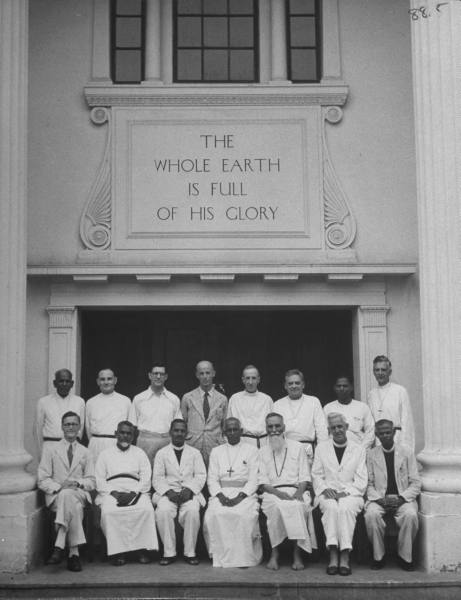


We are Six! Thank you readers!

It’s that time of the year when we say a big Thank You to all our readers and well wishers! We are encouraged by every message and email we receive from around the world and we pray for your continued support as we turn six. A dream that started six years ago has inspired many to take interest and get to know their history and traditions.
Readers and Parishes have reached out from far and wide, telling us how our resources are being used in Parish Bulletins, Sunday School textbooks, VBS, Summer camps, sermons, prayer groups and much more. We have made new friends on the journey and social media has enabled us to take the rich cultural history and tradition of our Church to many more readers. We request that you keep us in your prayers.
“Praise the Lord! Oh give thanks to the Lord, for he is good, for his steadfast love endures forever!” Psalm 106:1
A fearless Indian Bishop who took on the Prime Minister despite the threat of jail
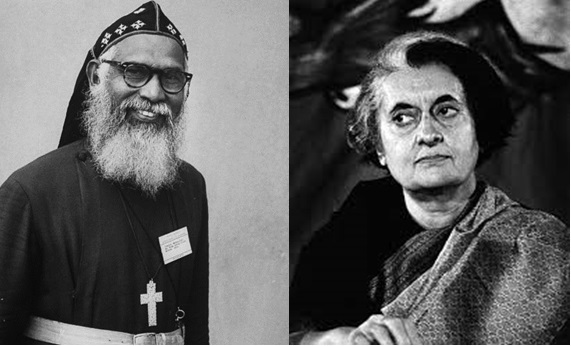
On 25 June, 1975 – nearly forty years years ago, Prime Minister of India Indira Gandhi unilaterally had a state of emergency declared across the country. Officially issued by President Fakhruddin Ali Ahmed under Article 352(1) of the Constitution for “internal disturbance”, the Emergency was in effect from 25 June 1975 until its withdrawal on 21 March 1977 (21 months). `
So what did the Emergency imply? Essentially, at the stroke of the President’s pen India ceased being a democracy and was converted into a virtual autocracy. Civil liberties were suspended, media was censored, state and parliamentary elections were postponed, and anyone who wrote or spoke against the Government was put behind bars. In the 21 months of the Emergency, 100,000 people were arrested and detained without trial. ~ www.thelogicalindian.com
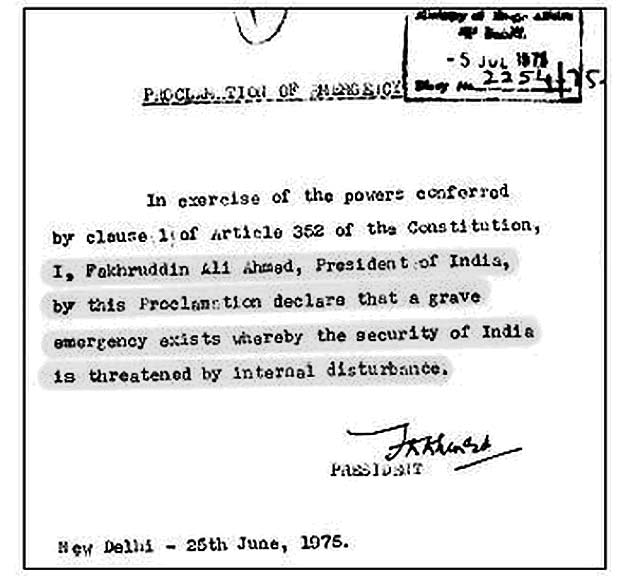
Under the Emergency rule, it was not easy to raise voices of critical opposition, in making even a mild-toned protest, one did so at considerable risk. Many kept silent because of the fear which spread among the people. Despite these pressures, some of the Christian groups made courageous attempts to express critical voices. It is significant to recognise that those who made the critical protests were not the representatives of the large institutional churches; rather, they were members of relatively small groups or of a minority group within the institutional church.
Metropolitan Juhanon Mar Thoma was the only Church leader who wrote a letter to her disapproving it. The Metropolitan’s letter stated that he deemed the Emergency rule as a setback to democracy and demanded its speedy withdrawal as well as the release of the politicians arrested in this regard.
His earlier statement was drafted in Malayalam in the fall of 1975. Even though it was not an entirely critical protest, but raised in a modest way a critical question, it was refused publication in Kerala. Metropolitan has written a brief yet pointed letter to Prime Minister Gandhi stating clearly his concern for the political situation.
“A vast number of people, and that growing numbers, feel the price we have to pay is costly. With people like Morarji and others in jail, and a press which has lost its freedom to write news and views, we feel a kind of depression. On behalf of thousands, I request withdrawal of Emergency by gradual stages. Immediate and altogether withdrawal is likely to have very bad repercussions. If the political detenus are released and’ freedom for press is given, it will be a great relief.
“I have one more request: not to have elections and constitutional changes during the time of Emergency. Hoping to be excused for this letter written from a sincere and painful heart.” ~www.daga.org.hk
He wrote that he was writing as a Church leader and a citizen. Mrs Indira Gandhi gave orders to arrest Metropolitan Juhanon Mar Thoma. Mr. C. Achuthamenon was the Chief Minister at that time and with his interference the arrest was avoided. It was the Mar Thoma Church’s fight for independence and national integrity that echoed through Metropolitan Juhanon Mar Thoma, a fearless commitment to the concerns of the people that is hard to find among religious leaders now. On September 9, shortly after he wrote this letter, he fell ill and died on September 27, 1976.
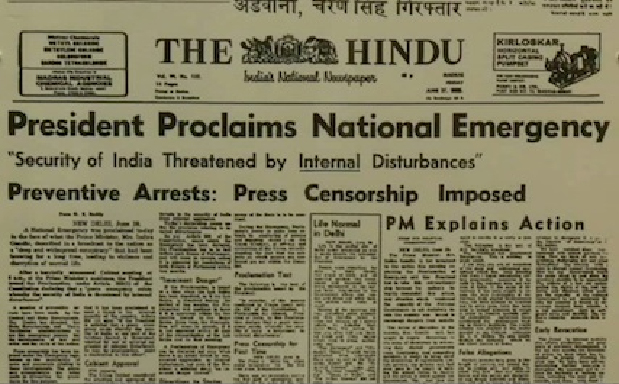
The first edition of the Indian Express after the imposition of emergency consisted of a blank page instead of editorial. The Financial Express had Rabindranath Tagore’s poem, “Where the mind is without fear, and the head is held high”.
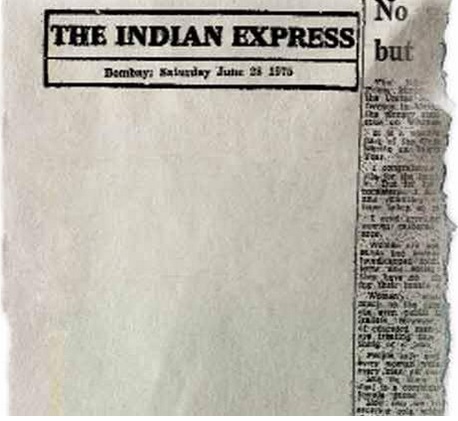
Where The Mind Is Without Fear
Where the mind is without fear and the head is held high
Where knowledge is free
Where the world has not been broken up into fragments
By narrow domestic walls
Where words come out from the depth of truth
Where tireless striving stretches its arms towards perfection
Where the clear stream of reason has not lost its way
Into the dreary desert sand of dead habit
Where the mind is led forward by thee
Into ever-widening thought and action
Into that heaven of freedom, my Father, let my country awake

World Sunday School Day: 6th November 2016 (Free Ebook – Robert Raikes and how we got the Sunday School)
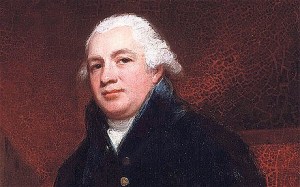
George Romney’s portrait of Robert Raikes, the newspaperman who popularised schooling on Sundays Photo: National Portrait Gallery, London
6th November 2016 : World Sunday School Day – The first Sunday of the Month of November is celebrated throughout the world as Sunday School Day. The Mar Thoma/ CSI/ CNI churches are celebrating Sunday, 6th November, 2016 as World Sunday School Day.
Robert Raikes (1735- 1811), an English Publisher, started the first Sunday School in the city of Gloucester in England in 1780. During the early days, reading, arithmetic and Bible was taught at the Sunday Schools.
In 1809, Church representatives of the Malankara Churches held a meeting at Kandanadu Church, near Ernakualam to arrange facilities to teach children in the Church about religion, prayers and sacraments. The India Sunday School Union was founded in 1876.The Mar Thoma Sunday School Samajam was established on 25 February 1905, at the Maramon Convention.
We encourage our readers to read and share this Free 4 page PDF Ebook Resource for your Sunday Schools and children’s services: Robert Raikes and How We Got Sunday School
Inscription on the tomb of Robert Raikes.
23rd October 2016: Family Sunday Service (Free Malayalam pdf EBook)
The Principles of Christian Family Life (Malayalam)
On 23rd October 2016 (20th Sunday after Pentecost), Family Sunday is celebrated by the CSI church, CNI church and the Mar Thoma Syrian Church. The focus of the service is on the “Faith that has to be formulated in family life”.
Download this free pdf Ebook published in Malayalam in 1951 that is still relevant to today’s Christian life. This book can be used as a resource for your Family Sunday service. The link can be shared and used by church members, parishes and church organizations. It can be accessed on any smartphone, tablet or computer for free.
The Principles of Christian Family Life (Malayalam) (Published in 1951)


27 September, 1947: Formation of the Church of South India (Video & Rare Photos)
Photo credit: http://www.csisynod.com
27 September, 1947: Formation of Church of South India (CSI) in 1947, as a union of Anglican, Presbyterian, Congregationalist and Methodist churches. The idea of a Church union was proposed in 1919 at a conference held in Tranquebar (now Tarangambadi) in 1919. After 28 years of discussions various denominational churches in South India established by different Missionary societies agreed to the formation of the Church of South India in 1947 after India attained independence. The inaugural ceremony was held at St. George Cathedral Madras (Chennai).
Today the Church of South India is one of the largest Protestant churches in India and is a member of the Anglican Communion and its bishops participate in the Lambeth Conferences. It is also a member of the World Council of Churches, the World Alliance of Reformed Churches, and the National Council of Churches in India.
The Church of South India (CSI), Church of North India (CNI), and Malankara Mar Thoma Syrian Church of India jointly formed the Communion of Churches in India (CCI) in 1978 for mutual recognition of the ministry and leaders, inter communal relationship, and to explore possibilities of working together and other areas of cooperation in the fulfillment of the mission of the Church in India.
At the inauguration of Church of South India. Photo by Mark Kauffman (LIFE magazine)
The presiding bishop of the inaugural function was the Rt. Revd. C. K. Jacob of the Anglican Diocese of Travancore and Cochin. A vast congregation gathered in the cathedral at Madras from all over the world. The following historical declaration was made by Bishop Jacob at the inaugural service.
“Dearly beloved brethren, in obedience to the Lord Jesus Christ the head of the church, who on the night of his passion prayed that his disciples might be one, and by authority of the governing bodies of the uniting churches whose resolutions have been read in your hearing and laid in your prayer before Almighty God; I do hereby declare that these three churches, namely – the Madras, Madura, Malabar, Jaffna, Kannada, Telugu, Travancore Church councils of the South India United Church; the Methodist Church of South India, Trichinopoly, Hyderabad and Mysore districts; the Madras, Travancore and Cochin, Tinnevelly and Dornakal dioceses of the Churches of India, Burma and Ceylon; are become one Church of South India, and these bishops, presbyters, deacons and probationers who have assented to the basis of union and accepted the constitution of the Church of South India, whose names are laid upon this holy table, are bishops, presbyters and deacons of this church. In the name of the Father, and the Son, and the Holy Spirit, Amen.” ~ wikipedia
Inauguration procession of Church of South India. Photo by Mark Kauffman (LIFE magazine)
Inauguration procession of Church of South India. Photo by Mark Kauffman (LIFE magazine)
Inauguration service of Church of South India. Photo by Mark Kauffman (LIFE magazine)
Inauguration service of Church of South India. Photo by Mark Kauffman (LIFE magazine)
Inauguration service of Church of South India. Photo by Mark Kauffman (LIFE magazine)
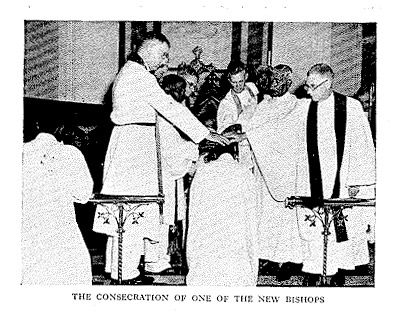
Photo credit: http://www.csisynod.com
Presiding Bishop Rt. Revd. C. K. Jacob at the Inauguration of Church of South India. Photo by Mark Kauffman (LIFE magazine)
Clergymen from 5 Protestant faiths attending the inaguration of the Church of South India. Photo by Mark Kauffman (LIFE magazine)
St George’s Cathedral, Chennai (photo credit – wiki)
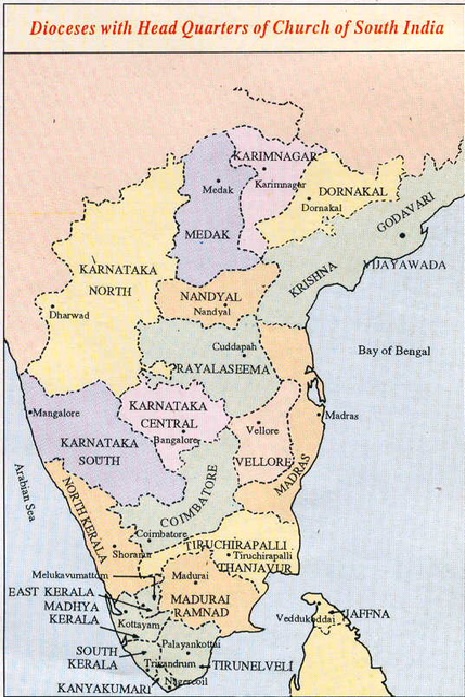
CSI Diocese Map (image credit – http://www.csimichigan.org)
July, 1889- Seminary Case: Division of the Mar Thoma Church and Jacobite Church (with Video)
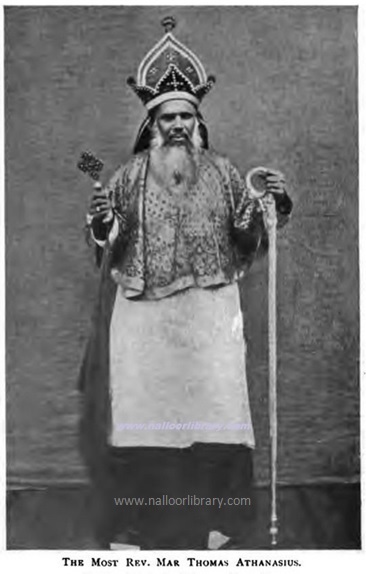
Thomas Mar Athanasius Metropolitan (Mar Thoma XIV) Photo from The Indian Christians of St. Thomas by William Joseph Richards (1908)
12 July, 1889: Seminary Case Judgment. In 1879 a case was filed in the district court of Alleppey by Bishop Joseph Mar Dionysius against the then Metropolitan of the Church Most Rev. Thomas Mar Athanasius.
Mar Dionysius prayed to the court to declare him as the rightful Metropolitan of the Malankara Church and also requested the court to evict Mar Athanasius and his followers from the Old Seminary building in Kottayam. The final verdict of this case came on 12 July 1889 from the Royal Court of Travancore. Two Judges decreed that Joseph Mar Dionysius was the rightful Metropolitan of the Malankara Church as he expressed allegiance to the Patriarch of Antioch. One Christian judge gave the verdict in favour of Thomas Mar Athanasius because of his conviction that the Malankara Church has been an independent Church from the beginning. The Majority view prevailed and Thomas Mar Athanasius had to leave the Old Seminary and the properties of the Church, because he upheld the autonomy of the Mar Thoma Syrian Church. This led to the formal division of the church into two sections: the Mar Thoma Church and Jacobite Church.
The followers of Mar Athanasius got the Kottarakkara church without a duel, they got the Maramon and Kozhencherry churches through court decision, and was given the right to conduct services on alternate Sundays in five other churches. They put up small sheds in other places to hold worship services.
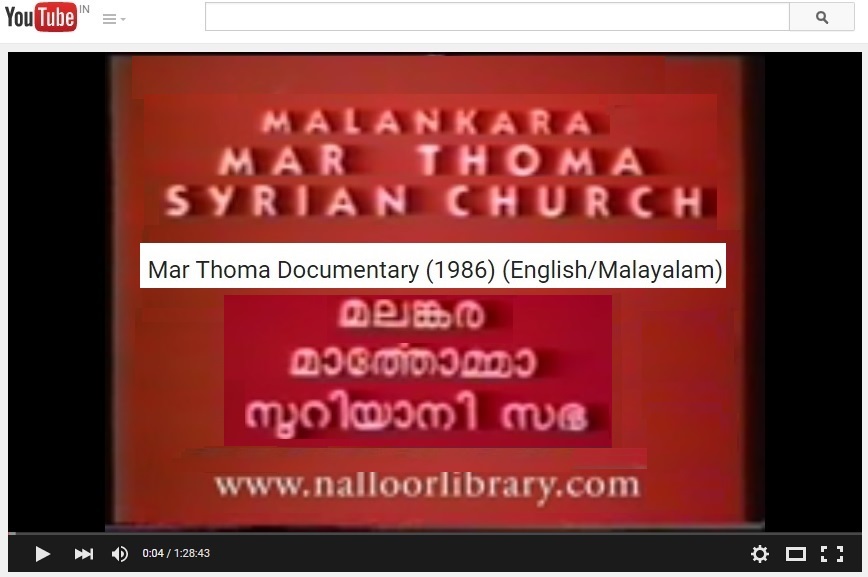
To learn more about Mar Thoma Syrian Church History – watch this Special Documentary with rare footage on the Malankara Mar Thoma Syrian Church – (English/Malayalam) produced in 1986. It offers a peek into the history, rich culture and heritage of the Mar Thoma Syrian Church.


 Nalloor Library