9 November, 1964: Mrs. Kandamma Varghese (Mar Thoma Suvisesha Sevika Sanghom) passes away.
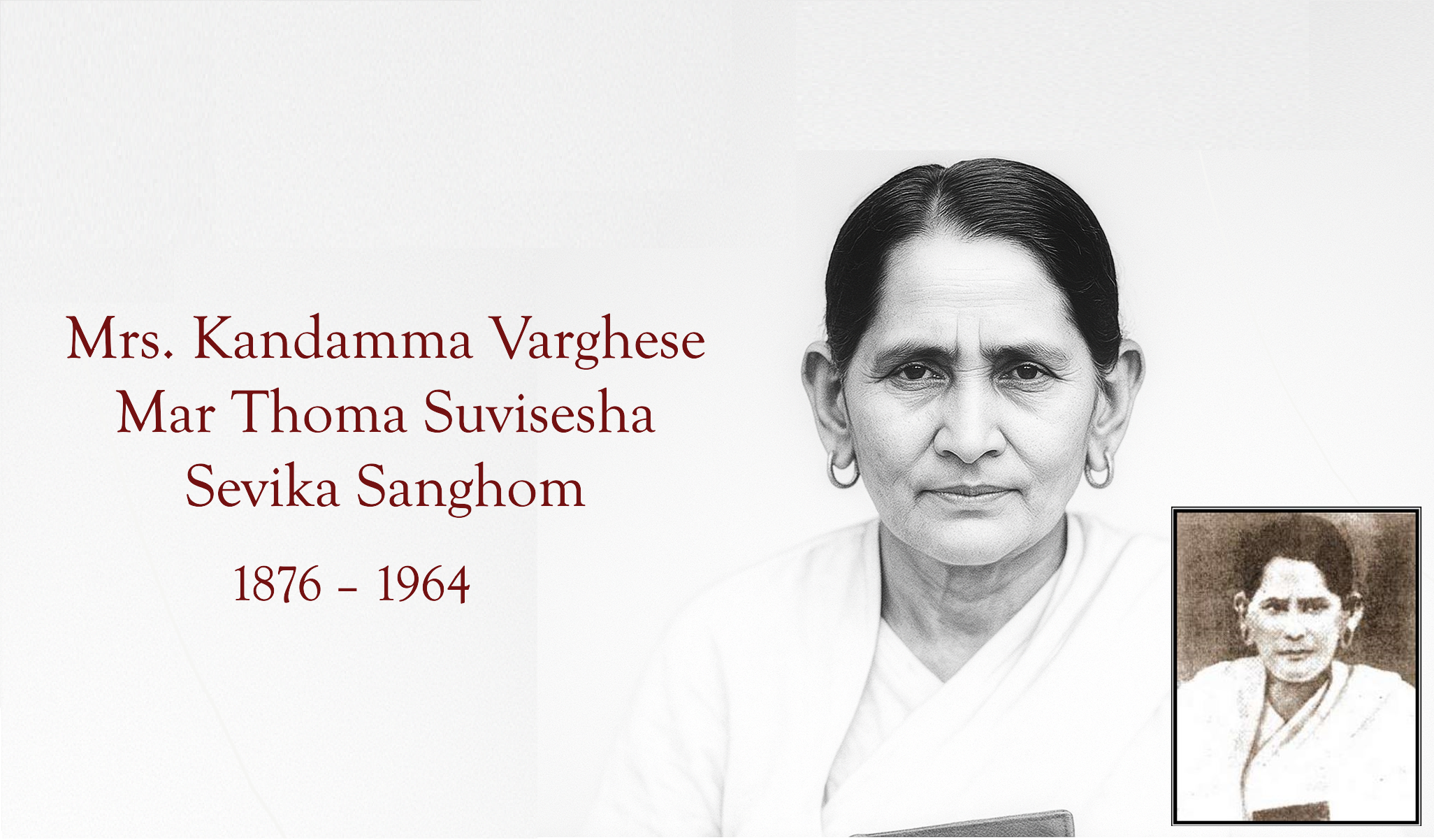
“The Mar Thoma Suvisesha Sevika Sanghom owes much to the self sacrificing work of Mrs. Kandamma Varghese who worked untiringly as the Organizing Secretary for over 20 years, traveling far and wide, organizing branches in the parishes, doing evangelistic work among Christians, building up the work in parishes.” ~ The Mar Thoma Church, Heritage and Mission – Alexander Mar Thoma Metropolitan.
Mrs. Kandamma was a modest person in wearing jewellery. She used to request people who had more than one gold chain to donate the second one for gospel work. Due to Kandamma’s loving approach to the wife of Diwan Bhadur Dr. V. Varghese sold her ornaments and donated the money for the construction of the Salem Orphanage in Tiruvalla.
The Mar Thoma Suvisesha Sevika Sanghom was established in 1919 during the Maramon Convention, under the leadership of Abraham Mar Thoma Suffragan Metropolitan, who gave the women’s organization continuous support and inspiration. Mrs. Kandamma Varghese (born 1876), Chruthuruthiyil, Thumpamon was the first traveling, organizing secretary of the Sevika Sanghom.
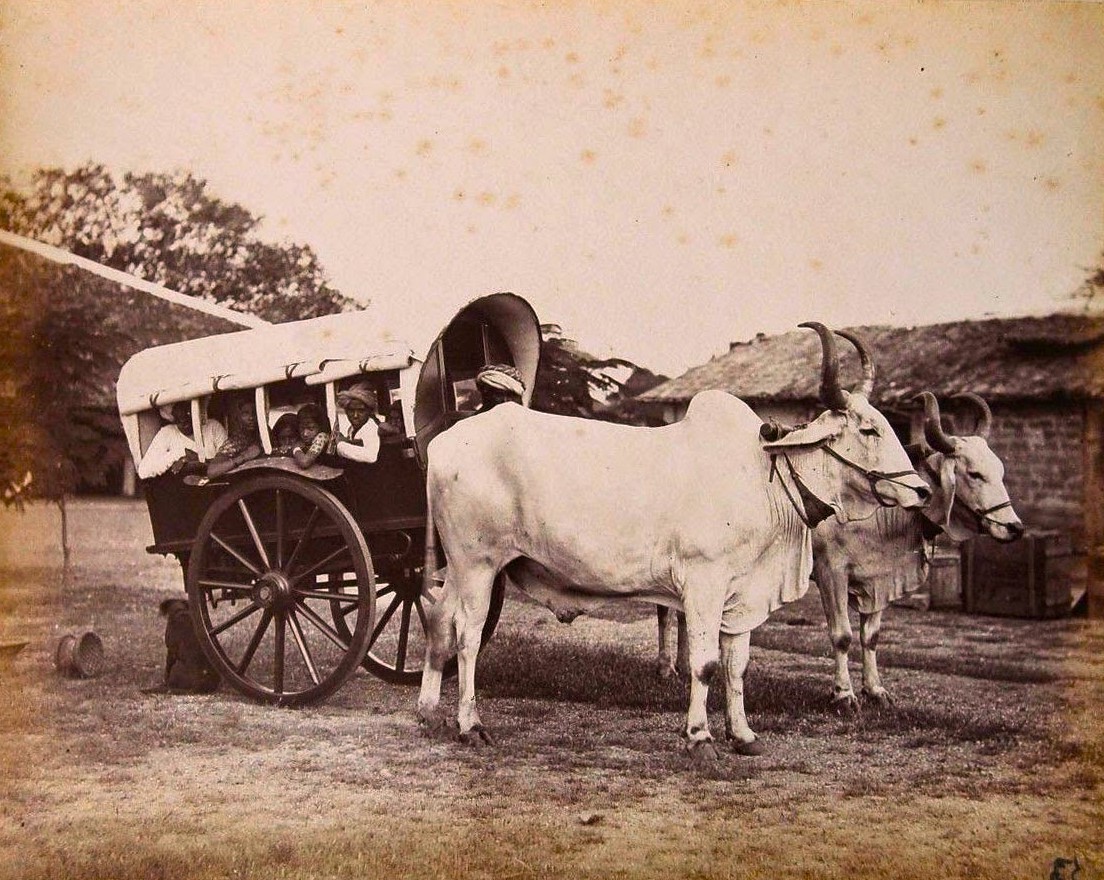
During the nearly 20 years of service she travelled far and wide to almost all corners of Travancore. In those days there were no proper roads, so she had to walk miles to her work and used bullock carts to visit distant places. One of her annual reports submitted to the Sevika Sanghom reads like this: “Visited Puthen Cavu, Kundara… (Names of so many parishes are given), etc. Conducted 101 special meetings for women, 38 meetings for girls, visited 236 Christian homes, 70 non Christian homes, personally interacted with 415 people, distributed 700 tracts, 90 gospel portions etc…”
After serving many years as a Traveling Secretary, she became the General Secretary of the Sanghom. She put a firm foundation for the smooth running of various departments of the Sevika Sanghom. When the Sanghom started the Salem Bhavanam (Orphanage) in 1923, Kandamma took up that responsibility as well. She adopted orphan children who were previously looked after by Mrs. Sosamma Eappen of Kotturethu Chengannur.
Kandamma spent her final days in Perumbavoor with her son Mr. C. V. Koshy who was the headmaster of the Ashram High school there. She was called to her eternal home on 9 November, 1964 at the age of 88. In her memory, the Mar Thoma Suvisesha Sevika Sanghom has collected a Memorial fund of Rs.15,000 (in 1964 this was a big amount) and the interest collected from this fund is still being used for the theological education of the women who are willing to do full time Gospel work.
She leaves behind a glowing legacy of her work in Kerala to inspire more young women of the church.
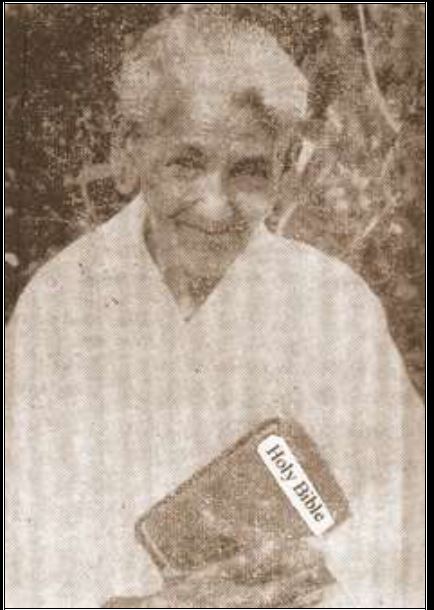
Read more details in our free pdf E-book which is also an excellent resource for Sunday Schools and church organizations.


Sadhu Sundar Singh at Maramon Convention 1918
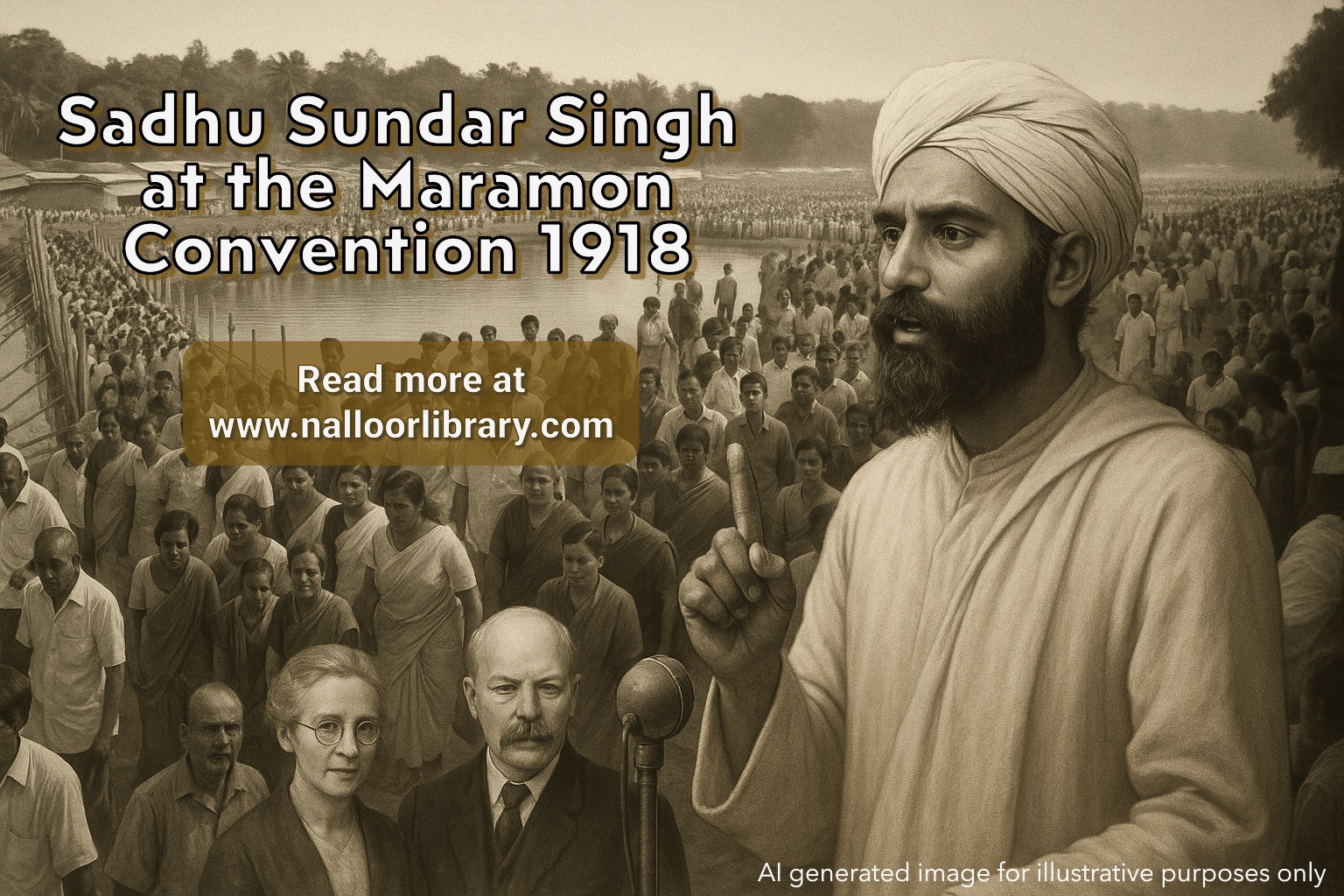
Church historians have always debated when the famed missionary Sadhu Sundar Singh visited the world renowned Maramon Convention. Many church history books mistakenly mention 1917, 1918, or 1919 or all the three years. However, Sadhu Sundar Singh came to the Maramon Convention only once in 1918.
NalloorLibrary.com presents evidence from a chapter from a book – Sadhu Sundar Singh, Called of God (1920) authored by Mrs. Rebecca Arthur Parker. It is a first hand eye-witness account of the 1918 convention through the eyes of Mrs. Rebecca Arthur Parker. She mentions in the detail the convention grounds, the number of people, the sights she saw and how 32,000 people gathered to hear Sadhu Sundar Singh at a venue built for 25000 people.
Mrs. Rebecca Parker also mentions the two Bishops of the Mar Thoma Syrian Church, who appeared daily in resplendent robes of red or purple satin with gold belts and quaint head-dresses. In 1918, the Mar Thoma Syrian Church had only two Bishops – His Grace the Most Rev. Titus II Mar Thoma Metropolitan and Suffragan Metropolitan Bishop Abraham Mar Thoma. Both bishops served tirelessly for the building up of the church.
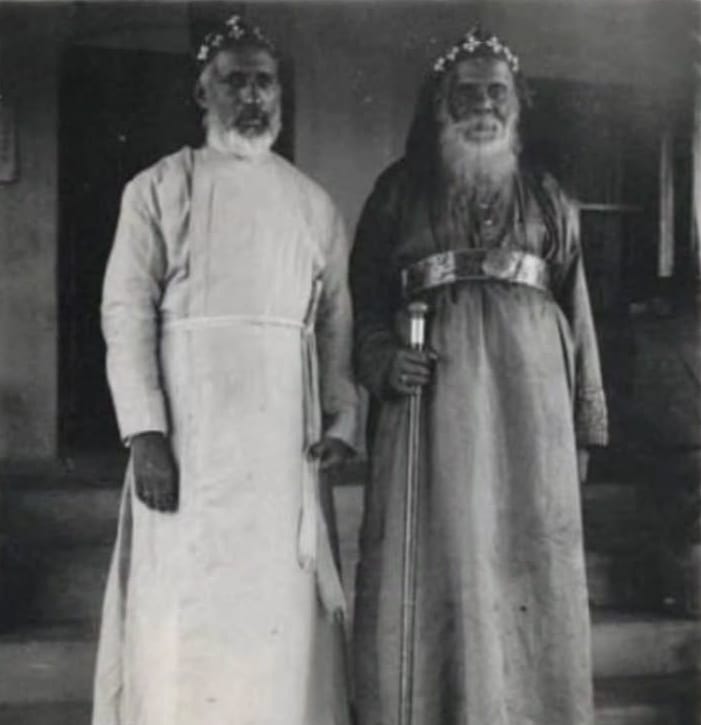
His Grace the Most Rev. Titus II Mar Thoma Metropolitan
He was the nephew of Titus I Metropolitan and was consecrated by him at Puthencavu St. Mary’s Church in 1898, assisted by Metropolitan Mar Koorilos of Thozhiyoor. He worked with Titus I as his Suffragan Metropolitan, and became Metropolitan in 1910. He worked vigorously for the building up of the Church.In those days when it was difficult to travel, he visited Churches in out-of-the-way locations and organized the Parishes on organizational lines. He took measures to ensure that the Parish officials maintained the Parish account up-to-date;and he fostered various programmes of the Parishes. The Mar Thoma Sevika Sangam was organized in 1919 and the Voluntary Evangelists Association in 1925. The Mar Thoma Theological Seminary for the training of the Clergy was established at Kottayam in 1926. Bishop Abraham Mar Thoma was consecrated as Suffragan Metropolitan in 1917 and the two Bishops worked together tirelessly for the growth of the Church. Titus II Mar Thoma passed away in 1943 after being Metropolitan for 33 years.
His Grace the Most Rev. Dr. Abraham Mar Thoma Metropolitan
Abraham Mar Thoma was known all over India for his burning passion for evangelism, for his zeal for spreading the Gospel through the length and breadth of India. He received theological training in India and Canada. It was during this time that the Mar Thoma Church became well known in the Western World. He was consecrated Bishop in the year 1917 and he worked relentlessly as Suffragan Metropolitan for the spiritual strengthening of the Church and for its witness. He was installed Metropolitan in 1944 when Titus II Metropolitan passed away. He was born in an illustrious Orthodox family but his father passed away when he was very young and he was brought up in his mother’s house at Eraviperoor, a home which cherished the blessings of the reformation.He was President of the Mar Thoma Evangelistic Association and the National Missionary Society. Even though he was suffering from acute diabetes for many years, he went on working with the motto: “it is far better to burn out than to rust out”. The Abraham Mar Thoma Bible Institute established for the training of voluntary evangelists in the Church was named after him. Though he was Metropolitan only for four years, his long ministry as Bishop strengthened the Church in all its missionary enterprises. He was called to eternal home in 1947.
Who were the Parkers?
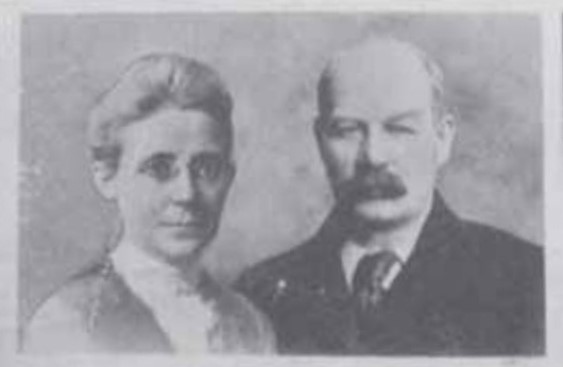
Rebecca Jane Parker: born, 1865; a church member in Bromsgrove, Worcestershire; married Arthur Parker (1858-1935, a London Missionary Society (LMS) missionary in South India). Working with her husband in the Trivandrum area, she ran a hostel and boarding home for Christian girls and Bible women; established an embroidery industry, employing over 1,000 Christian women.
Singh and Rebecca Parker began a correspondence from March 1918. In his letters, Singh addressed Parker as ‘my dearest Mother’ and signed off as ‘Sundar’, often as ‘your ever loving son’, and referred to Reverend Parker as ‘Father’. Parker, born in 1865, is described as adoptive mother to Singh in the LMS Archives, and she was certainly an older, benevolent figure who looked after Singh, who had no mother of his own. Singh came to fame outside of South Asia largely through the efforts of Rebecca Jane
Parker, wife of Arthur Parker, members of the London Missionary Society (LMS) in
Trivandrum, South India. ~ S. Mukherjee
Mrs. Parker was awarded the Kaisar-i-Hind medal by the British government for social service in 1921. She retired in 1925 and died at Leamington Spa, England, in 1946.
Rev. Arthur Parker took charge in 1900 as the fourth LMS missionary in Trivandrum. The construction of a new church building (Mateer Memorial Church) in the LMS Compound was undertaken in four years (1902-1906). It was dedicated on December 1, 1906 by Rev. R. W. Thompson, the Foreign Secretary of the LMS who was heading a deputation as part of the centenary of the Travancore Mission (estd. in 1806 by Ringeltaube at Mylaudy). He died on 6th December 1935.
https://www.mateermemorialchurch.com/
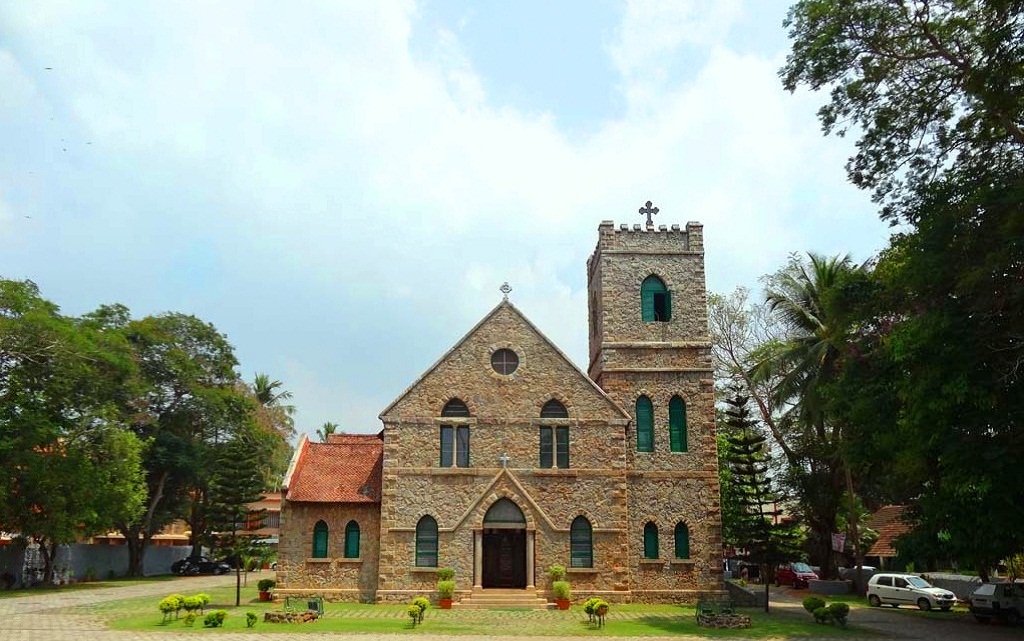
CSI Mateer Memorial Church: A Pillar of Protestant History in Trivandrum
Located in the heart of Palayam, the CSI Mateer Memorial Church is a cornerstone of Protestant Christian heritage in Kerala. Originally founded in 1838 by the London Missionary Society (LMS), it began as a simple chapel established through the efforts of early missionaries like Rev. John Cox and local supporters.
The early congregation grew steadily under Rev. Cox, who formalized the church’s structure through a trust deed open to all Protestant Christians. Over time, it also hosted Malayalam and Tamil services, serving both the local Christian community and visiting British officials. In 1893, following the death of Rev. Samuel Mateer-an influential missionary who significantly contributed to its growth-a plan was initiated to construct a larger building in his memory. By 1906, a new church building was completed at the LMS Compound under the guidance of Rev. Arthur Parker and dedicated by Rev. R.W. Thompson.
Architecturally, the church is distinguished by its Hallenkirche-style layout, Gothic arches, granite construction, and iconic square bell tower. It was not merely a change of building but a continuation of the same community, making it a rare example of living ecclesiastical heritage. Through centuries of transitions, it remains a vital spiritual space that has shaped the religious and educational landscape of Trivandrum, closely linked with institutions like University College and the city’s early missionary schools.
~Source: https://www.keralatourism.org/destination/lms-church/603/
History of the Maramon Convention 2025 – Malayalam (Free PDF download)
A free Malayalam PDF resource sheet for Malayalam Speaking Christians and Sunday Schools to explain facts and events chosen from the history of the Maramon Convention throughout the ages. The document contains rare photos and facts.
A big thank you to Mr. Liju Zachariah, Kattayil Graphics, Kuriannoor for the Malayalam Translation


History of the Maramon Convention 2025 – English (Free PDF download)
A free English PDF resource sheet for Non- Malayalam Speaking Christians and Sunday Schools to explain facts and events chosen from the history of the Maramon Convention throughout the ages. The document contains rare photos and facts.
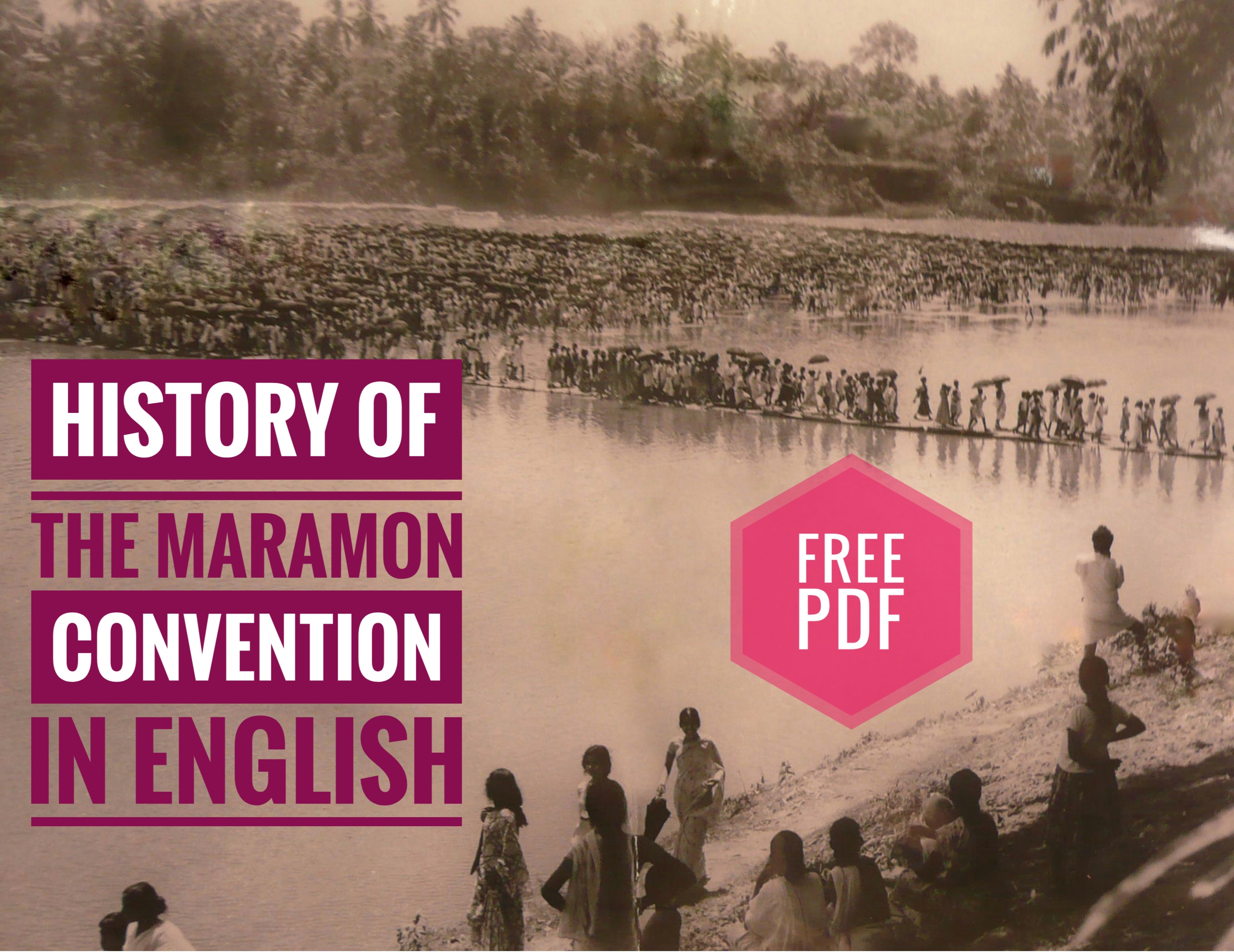
Explaining the Maramon Convention 2025 to Children (Free pdf) Useful for Sunday School students and teachers!

A free pdf resource sheet for Parents / Sunday School Teachers to explain to their children facts and events chosen from the history of the Maramon Convention. In 2025, the Maramon Convention will be conducted for the 130th time from 9th -16th February 2025, at Maramon, Pathanamthitta District, Kerala.

A Tribute to Rev. Simon Abraham (1927-2024)
A Tribute to Rev. Simon Abraham B.A., G.Th. (1927-2024)
(U.C. College Alwaye, L.T. College Jabalpur)
Cherukara Bungalow, Ayroor North, Pin: 689612
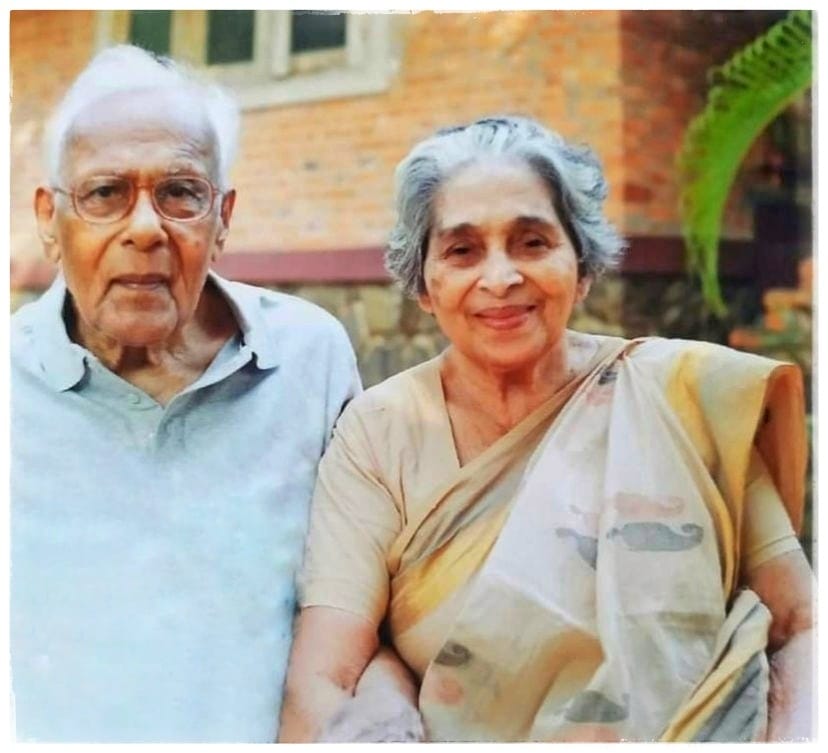
Rev. Simon Abraham was a senior priest in the Mar Thoma Church, known for his unwavering faith, dedication to ministry, and compassionate service to all people. Born on July 18, 1927, he was a beloved priest who touched many lives through his pastoral care, self-discipline, and remarkable memory. His life was a true reflection of the words from Daniel 12:3: “Those who are wise will shine like the brightness of the heavens, and those who lead many to righteousness, like the stars forever and ever.” He was called to his eternal home on 3rd December 2024.
Early Life and Family Background
Rev. Simon Abraham was born to C.A. Simon of Cherukara, Ayroor, and Rahelamma of Valiyakalayil, Kuriannoor. His paternal grandfather, Rev. C.P. Abraham Kasseessa (1876-1940), was instrumental in founding the Mar Thoma Voluntary Evangelists Association in 1924. Achen’s great-grandfather, Very Rev. Philipose Malpan (1836-1894), was the Vicar General from Cherukara, Ayroor. His family heritage was steeped in spiritual leadership and service to the church.
Rev. Simon Abraham was a member of the Ayroor Chayal Parish, which played a significant role in shaping his spiritual journey. His early education included attending the Mar Thoma High School in Kuriannoor, where he laid the foundation for his future calling.
Ministry and Service
Rev. Abraham’s journey in the ministry began with his ordination. He was ordained a deacon on July 26, 1955, and a priest on May 21, 1959. He dedicated over three decades of service to the church, retiring on July 18, 1992. Throughout his ministry, he served numerous parishes across Kerala, India, and even abroad.
Among the many parishes he served were Pathanapuram (Salem MTC), Bethel, Kavugumcherri, Pidavoor, Kattanam, Thamarakulam, Nuranadu, Chunakkara, Thazhava, Kurathikkadu, Mavelikkara, Kallimel, Kayamkulam (Salem),Puthupally, Paruthippara (Tvm), Sreekariam, Vithura, Kuriannoor (St.Thomas), Perumpara, Ayroor Chayal, Poovanmala (St.Thomas), Kalampala, Edapavoor (Bethel) in Kerala, and in cities like Bombay (Dadar), Kalyan, Ambernathu, and Bhopal (St.Peter’s and St,Paul’s), Indore. Rev. Abraham also served in Dubai (May 1978- April 1981), Sharjah and Ras Al Khaimah. His time as a missionary in Kayamkulam – Tharamel Kadapuram (Sea Coast) Mission and Bhopal Mission Field left a significant impact, as he worked tirelessly to spread the Gospel and serve the community.
Achen’s additional duties included coordinating Dalit parishes in the Ranny-Nilakkal Diocese. He was also deeply involved in community service, not just within the church but with people of all faiths, ensuring that everyone felt welcomed and cared for.
Family and Personal Life
Rev. Abraham’s personal life was intertwined with his ministry. He married Aleyamma (Ponnamma) B.A., a former staff member at the University of Kerala who resigned from her job after their marriage. Together, they created a home full of warmth, faith, and service. Kochamma (Ponnamma) was not only a loving partner but also a true friend, counsellor, and strength to Achen throughout his ministry. Aleyamma Kochamma passed away on 17 October 2021 (age 84).
Rev. Abraham’s children—Ray Abraham (married to Georgie Eappen), John Abraham (Joe, married to Liza), and Sim Abraham (married to Romy)—were an integral part of his life. His family was a source of joy and support, with their home in Ayroor being a place of welcome for anyone in need.
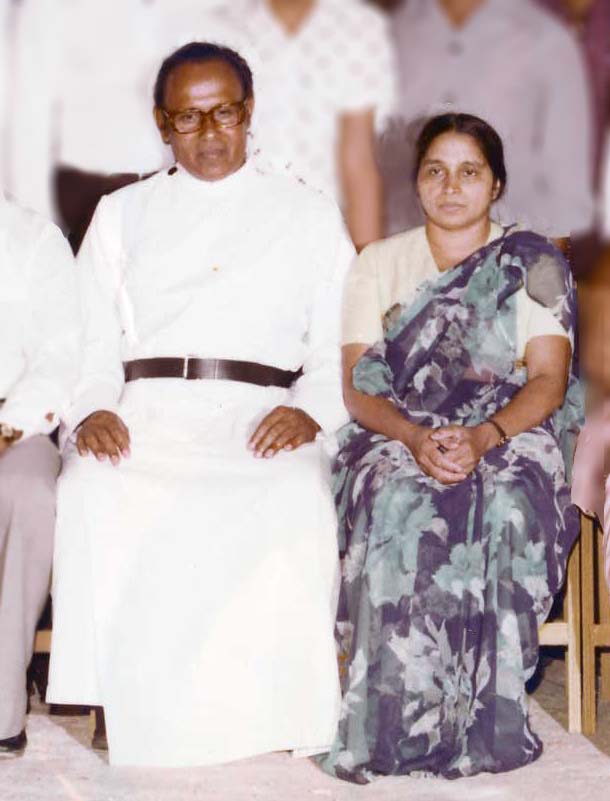
Legacy: The Acronym SIMON ABRAHAM
Rev. Abraham’s name is synonymous with service, faith, and dedication. His life can be encapsulated in the acronym SIMON ABRAHAM, which reflects his character:
Simple, always with a smile, successful because self-disciplined and content.
Inspiring
Memory was outstanding; once if he has met a person, he would remember their name and where abouts. God blessed him with good memory till the end.
Others were his concern.
Never slacking, always moving with an aim and purpose.
Aiming high to win souls for Christ his only master.
Burning zeal for the Lord.
Running the race faithfully, till the Master called him home.
Always available.
Home was open to all at all times
Accepting the limitations and restrictions, he was alert and fulfilled the call and great commitment to the Great Sheperd.
Model family – Kochamma (Ponnamma) was a true friend counsellor, leading light, and strength to Achen in his ministry. Her children would call her Blessed.
A Shepherd’s Heart
Rev. Simon Abraham was a devoted priest who cared deeply for everyone in his parish, regardless of their religion, caste, or creed. Both Achen and Kochamma were known for their selfless house visits, offering comfort, counselling, and prayers to everyone they met. Achen’s genuine concern for people, both Christian and non-Christian, made him a beloved figure in the community. Non-Christians eagerly awaited Achen’s visits, finding solace in his prayers and thoughtful counsel.
Final Years and Home Call
Rev. Simon Abraham’s faithful service continued until his retirement in 1992, after which he lived a life of prayer and reflection. On 3rd December, 2024, he was called to his eternal home at the age of 97. His passing was a significant loss, but his legacy lives on in the lives he touched and the ministry he led.
Rev. Simon Abraham will always be remembered for his dedication to Christ, his love for people, and his exemplary life of service. His memory remains an inspiration to all who knew him, and his life continues to shine as a beacon of faith and compassion for future generations.
“But as for you, go on your way until the end. You will rest and will arise to your inheritance at the end of the days.” ~ Daniel 12:13
Personal Note from Editors
Rev. Simon Abraham was a former student of our Kuriannoor Appachen (Headmaster N. Joseph) at Mar Thoma High School Kuriannoor. We had the honour of Achen conducting our Holy Matrimony at the Anglican Church (Holy Trinity) in Dubai in 1979. Throughout his retired years in Ayroor, we remained in close contact with Achen and his family. He was a steadfast supporter of our Nalloor Library website, and his encouragement meant a great deal to us.
Advocate John Joseph Nalloor & Grace John Nalloor
1905: Manon Ipe Mathai awarded ‘ROYAL HUMANE SOCIETY BRONZE MEDAL’ for bravery
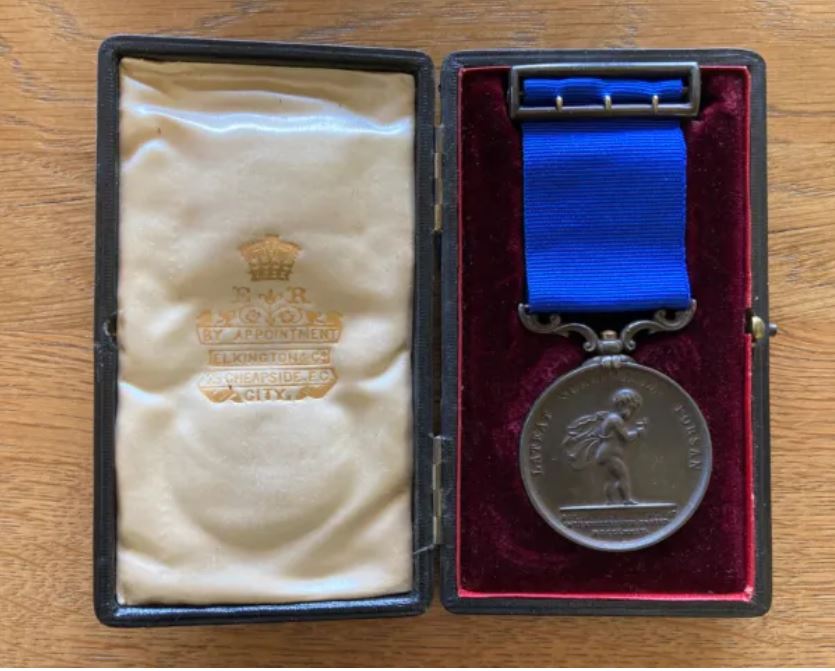
Manon Ipe Mathai was awarded the ‘ROYAL HUMANE SOCIETY BRONZE MEDAL’ in 1905 for putting his own life at great risk to save someone else’s. He may be the first Travancore citizen to receive such an award during the British Rule in India.
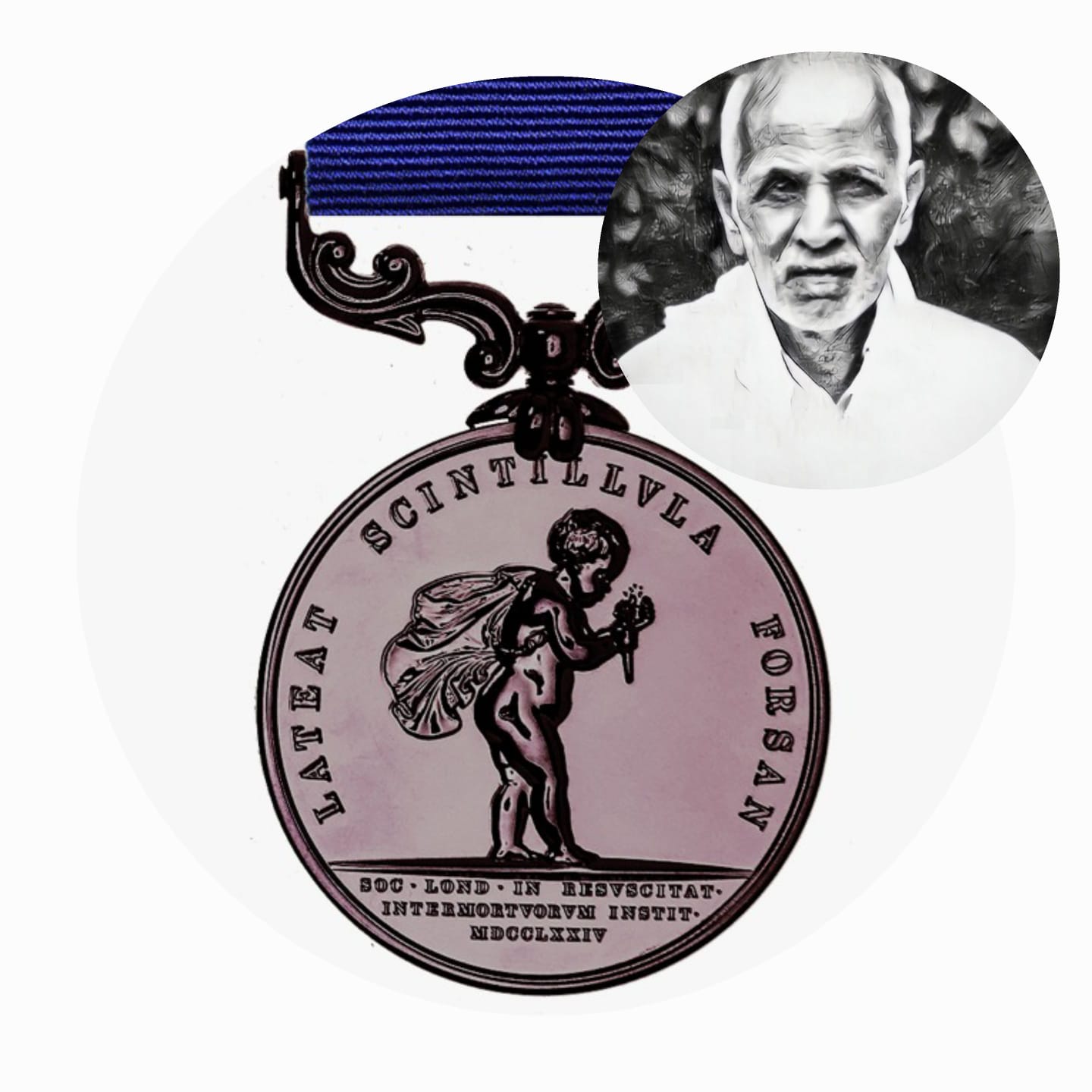
The Royal Humane Society Medal was established in 1774. The Medal was initially awarded to personnel in recognition of lifesaving acts or attempts to save a life from drowning. The award of the Medal was later expanded to reward all acts of exceptional bravery in rescuing or attempting to rescue persons from mines, wells, blasting furnaces, or in sewers. The medal features a Latin inscription on the reverse which translates to “He Has Obtained this Reward for Saving the Life of a Citizen.”
On 5th May 1905, while bathing in the Pamba (Pampa) River, Nedumbrayar, Pathanamthitta, India a young man sank in 24 feet of water. Mathai, at great risk, dived in. He found him in the second attempt and rescued him. It was for this courageous rescue that he was duly recognised and awarded the medal with a certificate.
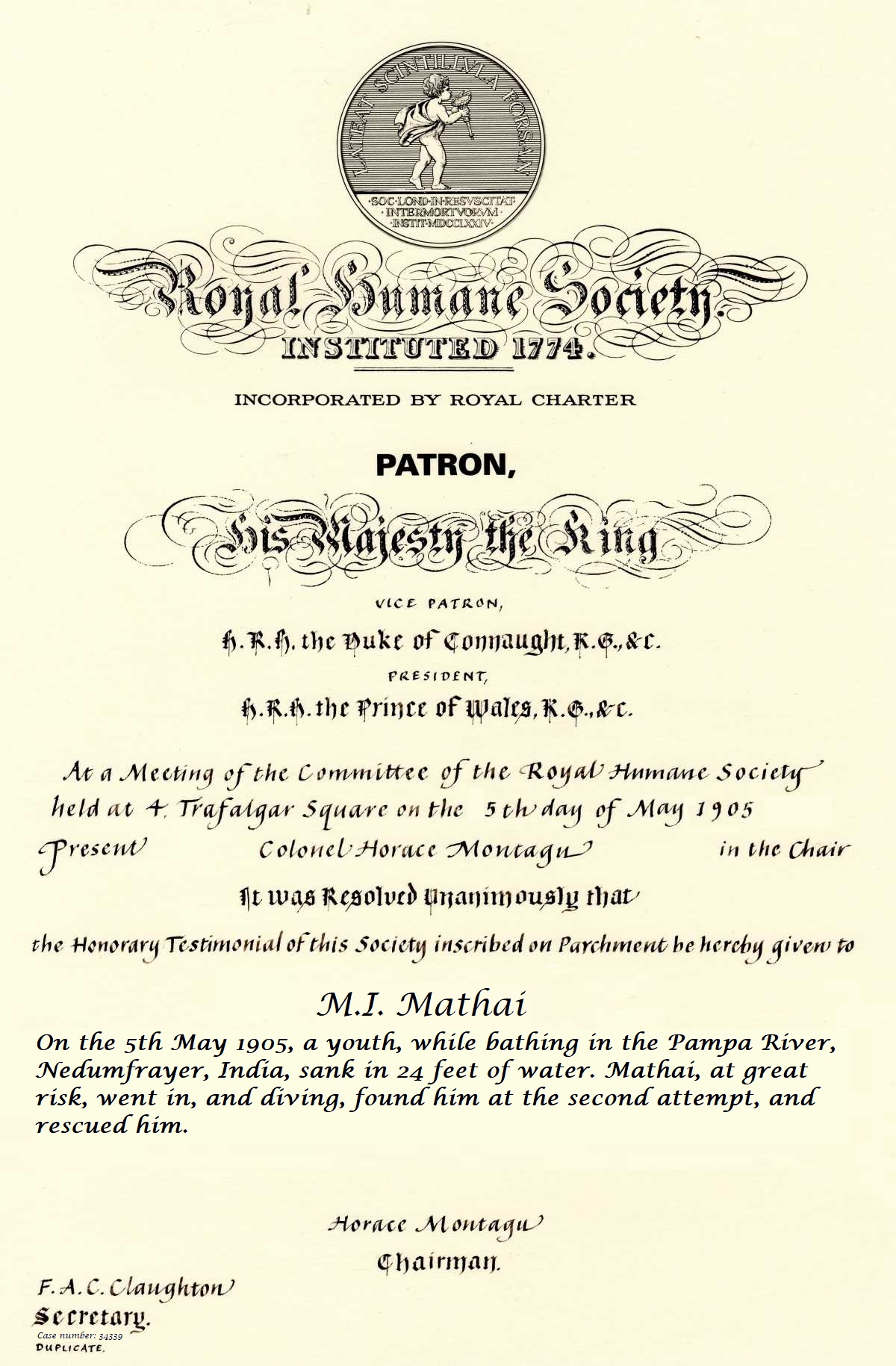
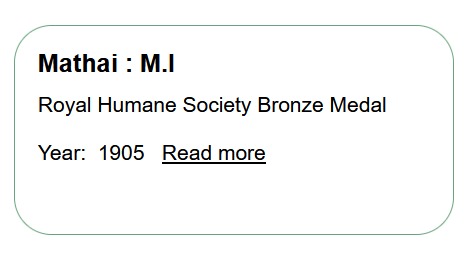
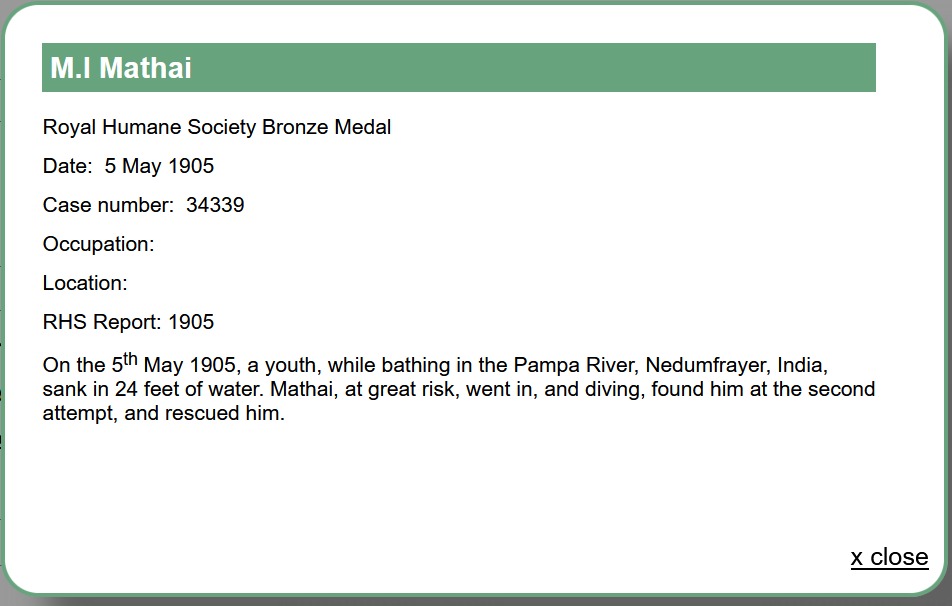
Manon Ipe Mathai or Appupi (as he was fondly called) was well known for his physical strength and spiritual vigour. God enabled him to use his strong physique to rescue many lives in the community. He saved many people from drowning in the Pamba River during the flood of 1924 (Malayalam Year 1099). Thousands of people had lost their lives during this unexpected natural disaster. He saved people from wild animals, mad dogs and even poisonous snakes. In one incident, a young man had climbed up an Angili tree and could not get down. Appupi was confident he could catch him in his sturdy arms and asked him to jump off the tree. The young man was safely caught in Appupi’s strong hands.
He was committed to his community. In his free time, he would voluntarily undertake repair and maintenance work of local roads in Maramon, especially during the rainy seasons. Villagers fondly called him as Manon Thantha (Manon Appachen) or Appupi (Grandfather).
Back in 1952, during the agricultural and khadi exhibition held in Chirayirambu, Maramon, Appupi was asked to participate. He famously hung a live full-length python around his neck, holding its head in one hand and its tail in the other. His fearless act is still a vivid memory to those who attended the exhibition.
Appupi and Palakunnathu Kadon Thommachen were highly respected social leaders of the Maramon area and people would go to them to settle their disputes (civil and criminal) instead of secular courts. They also actively took part in the pandal construction work of the Maramon Convention for many years. Appupi was also a close friend of the famous Ayurveda Vaidyan, Kolathu Yohannan Vaidyan.
Appupi (Manon Ipe Mathai), was the eldest son of Mathen Ipe (Ayyakavil – Kallirikunnel family from Kanjeettukara, Ayroor) and Mariamma (daughter of Kurian, Palakunnathu Manon family, Nedumbrayar, Maramon). Ipe Mathai’s parents stayed in Manon Malayil house, Thiruvachamannu, Maramon. They were the members of the Maramon Mar Thoma Parish.
Ipe Mathai married Mariamma (daughter of Kochitty. Plathodathil House, Kuriannoor). They had two daughters – their first daughter Mariamma (jr) was married to Avarachen, Vavolil House, Ranny and their second daughter Aleyamma was married to Mathai of Kunnil Family from Maramon.
Author’s note: Appupi is Grace John’s (Graceamma) (Author, Nalloor Library) grandfather’s (Mr. Thomas Manon) elder brother. Mrs. Grace John is from Hoskote, Karnataka (d/o Mr. & Mrs. M. T. Joseph, Co-founders of the Hoskote Mar Thoma Mission Medical Center – Estd: 1947).
She fondly remembers visiting Valiappachen along with her siblings during their summer vacations. He was a delightful story-teller and the children would vie for a place on his lap to hear all about his adventures. He could accommodate all four siblings on his lap! He always stocked up goodies for the children – mangoes, tender coconut in jaggery, fried banana chips, etc. Visiting Valiappachen was the highlight of their holidays. May his memory be a blessing.
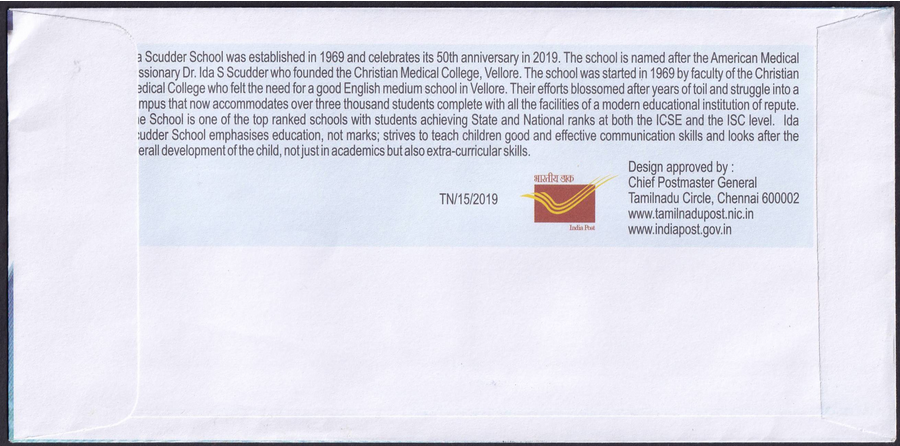
Remembering Dr. Ida Sophia Scudder – Founder of CMC Vellore
Dr. Ida Sophia Scudder
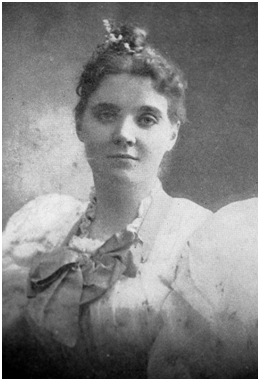
‘Aunt Ida’, as Dr. Ida Scudder was fondly called, was born in Ranipet, Tamil Nadu on 9th December, 1870 and passed away on 24th May, 1960, in Kodaikanal. To this day, she is remembered with great affection by the staff, students and alumni of CMC Vellore and the citizens of Vellore.
Her passionate concern for the women of India sprang from the night she was begged by a Brahmin gentleman to come to save his young wife who was struggling in childbirth. Then only a teenager with no medical training, she could offer no help – but the man refused to allow her doctor father to come near his wife: “it would be better that she died than be seen by a man”. On that same night, two other men came to her parents’ bungalow with the exact same request, and departed with the same sad response. The next morning she was shocked to learn that all three mothers and their babies had died – all for want of a female doctor. She gave up all thoughts of marriage and a comfortable life in the USA, and instead threw herself into medical training, returning to India as a qualified doctor in the year 1900.

Her primary focus in those early years was women and children. She started with a tiny clinic: just one bed with a window through which medicines were dispensed. In the year 1902 she opened the 40-bedded Mary Taber Schell Memorial Hospital in Vellore. In the next year, with a small band of dedicated helpers, she saw over six thousand patients and conducted 40 surgical operations. She did not neglect the rural population, but would take out bullock carts, carrying nurses and medicines, and hold ‘roadside clinics’ at the nearby villages.
The funds to build the first small hospital were donated by a New York banker, Mr. Schell, in memory of his late wife Mary. He actually gave Ida Scudder more money than she asked for because he wanted it, he said, to be a “very good hospital”. This concept of not settling for “good enough” but striving for excellence was one of the hallmarks of Aunt Ida’s life, and of the institution she founded. CMC has always tried to be the very best it can be, sending its staff for higher studies at leading institutions around the world, and investing in the latest medical technology.
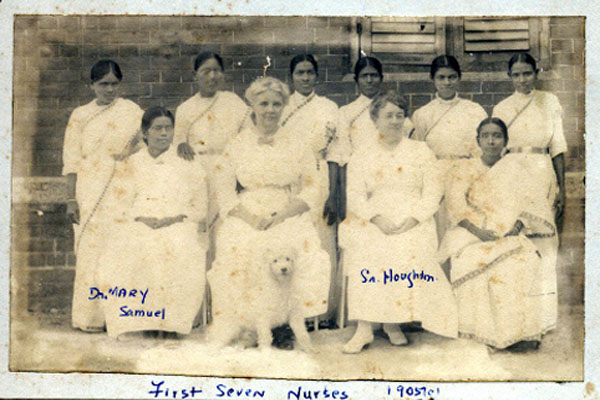
Right from the beginning, Ida knew that she needed to train women to help women. Initially it was compounders and nurses: formal nurse training began in 1909. By the year 1918, she proudly opened the Missionary Medical School for Women, which offered the LMP (Licensed Medical Practitioner) course.

In 1928, ground was broken for the “Hillsite” medical school campus on 200 acres at Bagayam, Vellore. In 1928, Mahatma Gandhi visited the medical school.
In 1942 this was upgraded to a full MBBS degree course, and men were admitted from 1947 onwards. The Nursing School became the first College of Nursing in India in 1946 and is now a WHO collaborating centre for Nursing and Midwifery. In 2020, CMC Vellore celebrated Aunt Ida’s 150th birth anniversary and 120 years of CMC Vellore.
Ida Scudder is famous as the founder of the Christian Medical College and its associated hospitals, but her legacy is far greater than the institution and its buildings.

She brought new hope and dignity to women in South India, giving them the benefits of modern medicine previously denied them by cultural barriers. She opened up the health care professions to women from all faiths and backgrounds, encouraging families to allow their daughters to train as nurses and doctors and showing by her own example and her students’ achievements that women could equal men both in medical studies and clinical proficiency, and excel in leadership even in the toughest of times.
Ida Scudder inspired hundreds of young medical professionals to take the words of Jesus as their motto. He said that he had come, “not to be served but to serve.” Many of her graduates dedicated their lives to bringing healthcare and new hope to remote areas of India. Others continued to serve in Vellore, passing on the torch of knowledge, skill and compassionate caring to new generations.
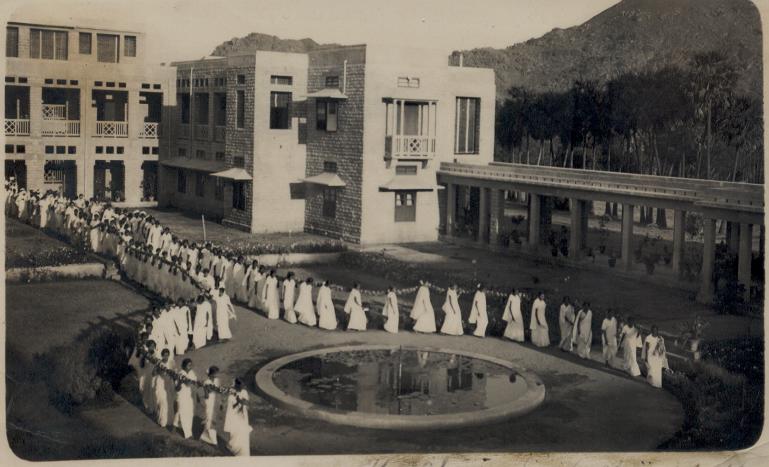
At the same time, Ida never lost “the common touch”. Patients loved her because of her compassionate care for them and the way, even after retirement, she used to sit beside them in their pain and hold their hands. Her students loved her because she made them her family, spending her off-duty time with them for relaxation and fun, and not just studies. Her colleagues and staff members respected her trust in them and her integrity, tireless hard work and indefatigable spirit as she strove to build “not a medical college, but the Kingdom of God”.
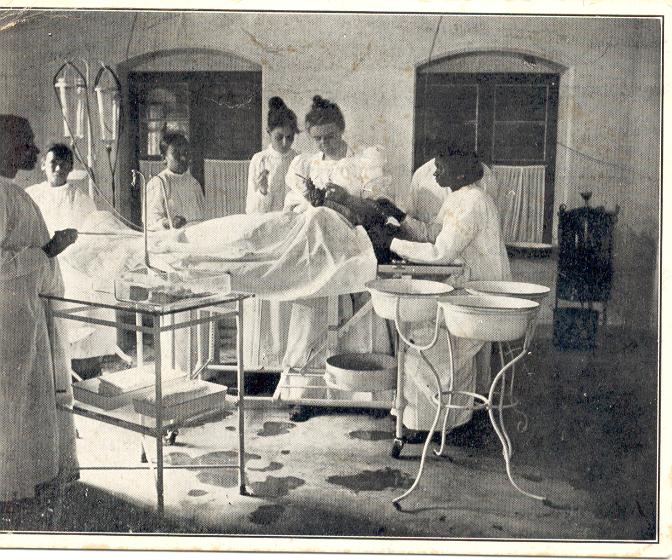
Ida Scudder, who never had any postgraduate medical training, was a pioneer in many areas: medical training for women, roadside clinics, new initiatives in education and research. Yet, she was so determined to start helping in India that she had arrived in Vellore, in 1900, without any working experience: her plan was to serve her internship under the supervision of her father. However, he died within a year of her return to India.
When it came to the first years of academic teaching, she had to go back to her basic text books and constantly study to keep ahead of her students. Nevertheless, she recognised the value of research and both published papers herself and encouraged others to do so. She tried to make sure that CMC was at the forefront of introducing new treatments and acquiring the latest equipment. Her commitment to improving the quality and effectiveness of medical practice has resulted in CMC Vellore being one of the leading medical research institutes in India.
For her tremendous and tireless service to the nation, Ida Scudder received the Kaiser-i-Hind medal in 1920. But she was not someone who merely achieved great things herself; she also inspired others to achieve more than they could imagine. She had to cajole and persuade people to train in new specialities and take up unfamiliar administrative responsibilities – and people responded willingly because of her leadership and passion. Somehow, during the closing years and aftermath of the Second World War and with no financial security, she managed to pull together a top class faculty to staff the new Medical College.
As we now gradually recover a respect for nature, and an awareness of its value and fragility, we should remember that Ida Scudder, one hundred years ago, was a committed environmentalist. She ensured that there was always space for flowers and trees in her hospital. She loved creation and retired to the blossoms and natural beauty of Kodaikanal.
Ida Scudder continued to provide inspiration and moral support for those who assumed leadership of the College and hospital after her retirement in 1945. She encouraged the emergence of a cadre of Indian professionals who were committed to the highest standards of medical practice and education. Her funeral in 1960 in Vellore was an all-community event with thousands of people of many faiths lining the streets. The Government of India issued a commemorative stamp on 12th August 2000 in her honour.
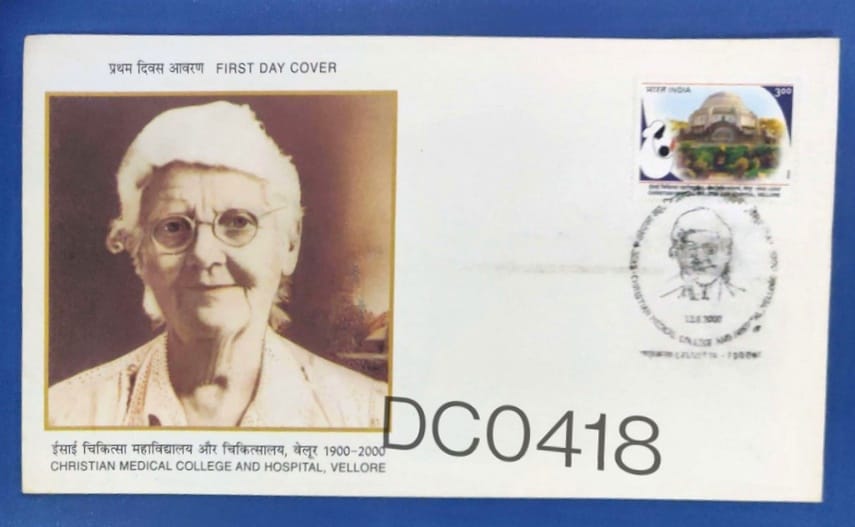

Ida Scudder’s example of dedicated service to God and to mankind, her tireless work, pioneering spirit and deep practical faith has continued to motivate the Christian Medical College Vellore, its staff and students, to the present day. Her values and ideals remain at the centre of the institution and are the reason why it continues to grow, continues to have room for both rich and poor and continues to hold international respect for its work in education, healthcare and research.
Always she carried great burdens: responsibilities to her patients and staff, shortage of resources and difficult leadership decisions. However, this never showed, for she relied ultimately on her God, who, in the words of her favourite hymn, was her Vision, Shield and Delight.
Ida, a charismatic and indomitable leader who was completely committed to her cause, was ably supported by many wonderful women who strengthened her hands and worked beside her, to make all her dreams for India and Indian women come true.


Additional Reading
Calling, Conflict and Consecration: The Testament of Ida Scudder of Vellore
By Reena Mary George, MBBS, MD(RT), MA(CS), Professor of Palliative Medicine, Christian Medical College, Vellore, India https://journal.cjgh.org/index.php/cjgh/article/view/10/82
For further study – Researchers can follow this link to the Ida Sophia Scudder Papers. Schlesinger Library Archived at https://hollisarchives.lib.harvard.edu/repositories/8/resources/5677#
Church South India – Celebrating 76 years of God’s Faithfulness (1947-2023) (Order of Worship, Video & Rare Photos)
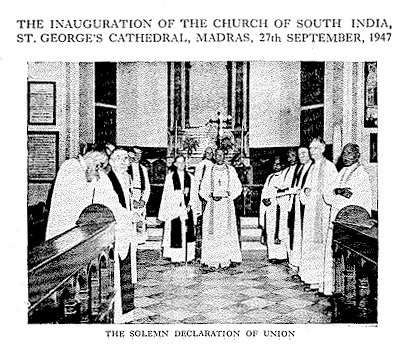
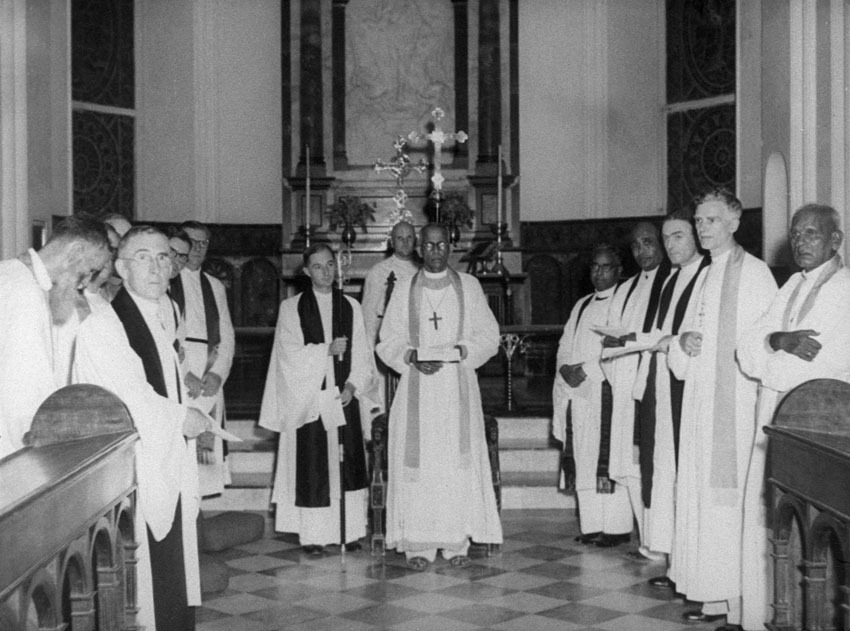
“Dearly beloved brethren, in obedience to the Lord Jesus Christ, the Head of the Church, who, on the night of His Passion prayed that His disciples might be one;
“and by the authority of the governing bodies of the uniting churches whose resolutions have been read in your hearing and laid in prayer before Almighty God;
“I do hereby declare that these three churches are be come one Church of South India and that those Bishops, Presbyters, Deacons and probationers who have assented to the Basis of Union and accepted the Constitution of the Church of South India, and whose names are laid upon this Holy Table, are Bishops, Presbyters and Deacons of this Church.”
Repository Name: Burke Library at Union Theological Seminary, Columbia University
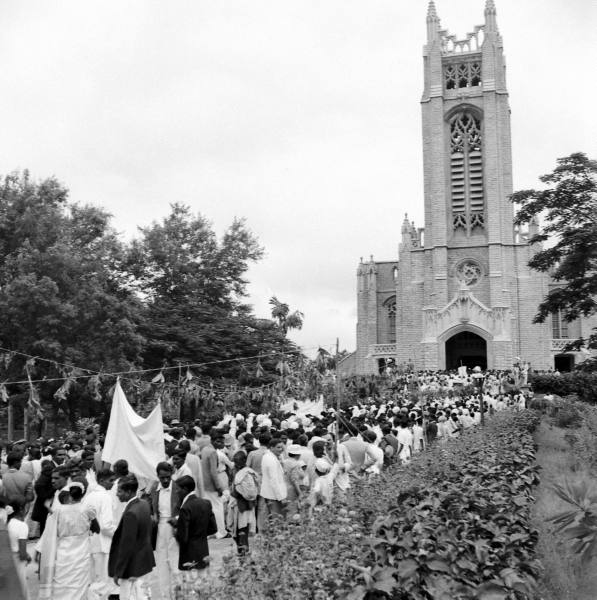
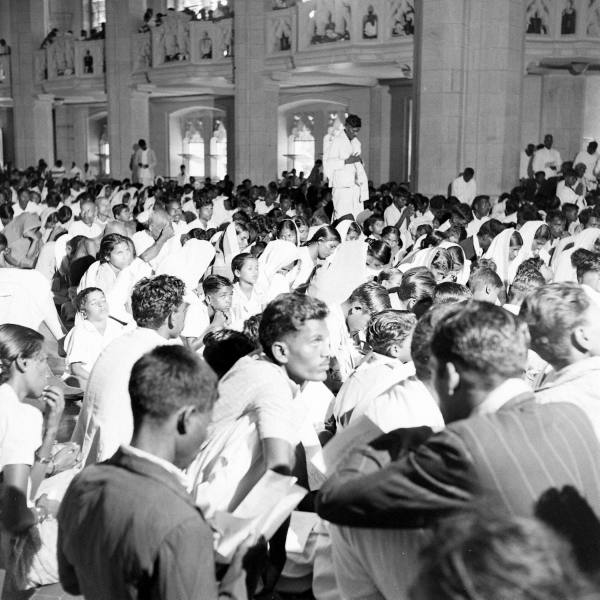
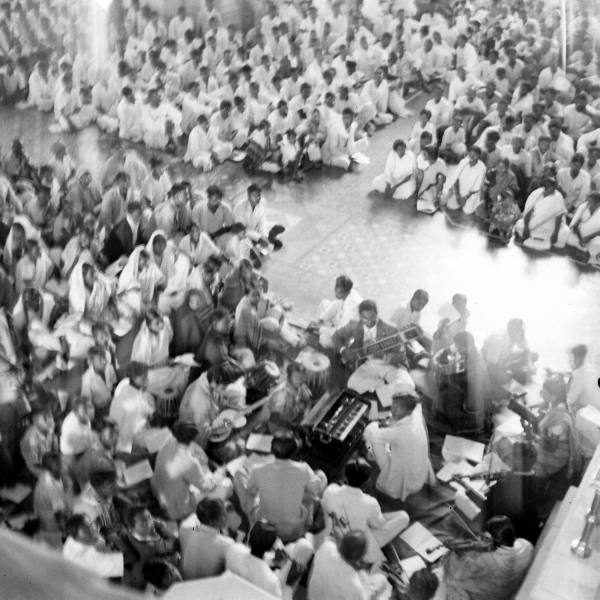
27 September, 1947: Formation of Church of South India (CSI), as a union of Anglican, Presbyterian, Congregationalist and Methodist churches. The idea of a Church union was proposed in 1919 at a conference held in Tranquebar (now Tarangambadi) in 1919. After 28 years of discussions various denominational churches in South India established by different Missionary societies agreed to the formation of the Church of South India in 1947 after India attained independence. The inaugural ceremony was held at St. George Cathedral Madras (Chennai).
Today the Church of South India is one of the largest Protestant churches in India and is a member of the Anglican Communion and its bishops participate in the Lambeth Conferences. It is also a member of the World Council of Churches, the World Alliance of Reformed Churches, and the National Council of Churches in India.
The Church of South India (CSI), Church of North India (CNI), and Malankara Mar Thoma Syrian Church of India jointly formed the Communion of Churches in India (CCI) in 1978 for mutual recognition of the ministry and leaders, inter communal relationship, and to explore possibilities of working together and other areas of cooperation in the fulfillment of the mission of the Church in India.
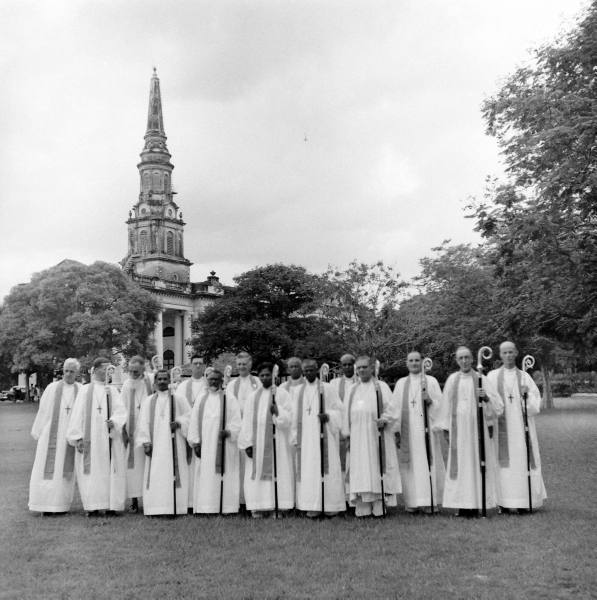
The presiding bishop of the inaugural function was the Rt. Rev. C. K. Jacob of the Anglican Diocese of Travancore and Cochin. A vast congregation gathered in the cathedral at Madras from all over the world. The following historical declaration was made by Bishop Jacob at the inaugural service.
“Dearly beloved brethren, in obedience to the Lord Jesus Christ the head of the church, who on the night of his passion prayed that his disciples might be one, and by authority of the governing bodies of the uniting churches whose resolutions have been read in your hearing and laid in your prayer before Almighty God; I do hereby declare that these three churches, namely – the Madras, Madura, Malabar, Jaffna, Kannada, Telugu, Travancore Church councils of the South India United Church; the Methodist Church of South India, Trichinopoly, Hyderabad and Mysore districts; the Madras, Travancore and Cochin, Tinnevelly and Dornakal dioceses of the Churches of India, Burma and Ceylon; are become one Church of South India, and these bishops, presbyters, deacons and probationers who have assented to the basis of union and accepted the constitution of the Church of South India, whose names are laid upon this holy table, are bishops, presbyters and deacons of this church. In the name of the Father, and the Son, and the Holy Spirit, Amen.” ~ wikipedia





Explaining the Maramon Convention 2023 to Children (Free pdf) Useful for Sunday School students and teachers!
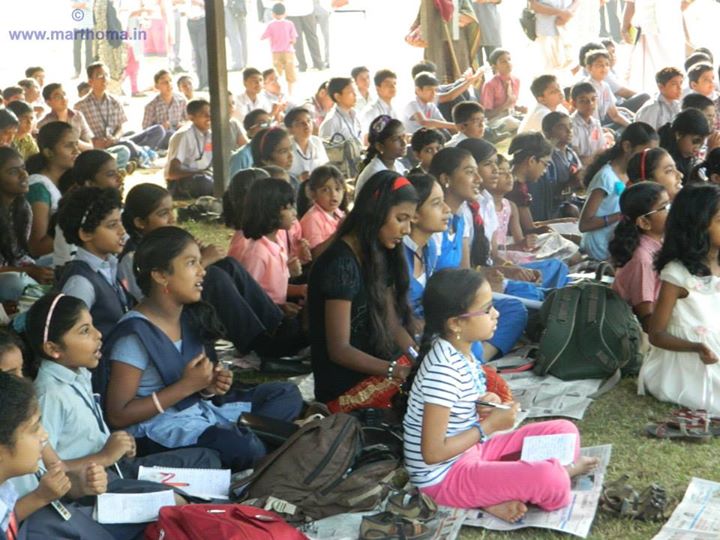
A free pdf resource sheet for Parents / Sunday School Teachers to explain to their children facts and events chosen from the history of the Maramon Convention.



 Nalloor Library