1905: Women Speakers lead the way at Maramon Convention
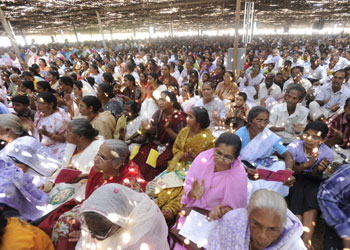
Women listening to the sermon at Maramon Convention. (Image courtesy www.manoramaonline.com)
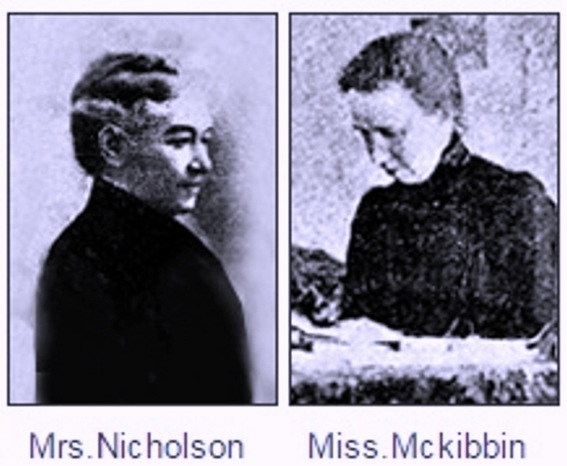
Right from its initial years, many women speakers have made a great impact on the Maramon Convention. Mrs. F.S. Nicholson and Miss. S.C. McKibbin conducted special meetings and Bible classes for women during the convention in 1905. They are remembered for their devoted service to the women of Travancore particularly in the education field. They established the prestigious Nicholson Syrian Girls Higher Secondary School and Training Home in 1910 at Kattode, Tiruvalla, Kerala.
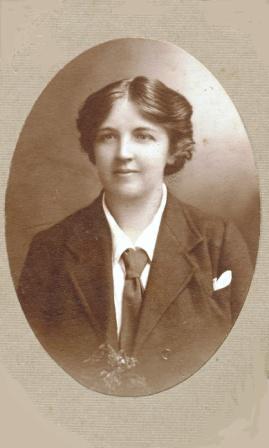
Ms. Gwen Kellaway, Vanitha Mandiram
Other eminent speakers included Miss Amy Carmichael, founder of the Dohnavur Mission, Tamil Nadu, Miss Kellaway of Vanitha Mandiram, and Miss Grower to name a few missionaries who encouraged women towards the Lord’s work through Bible classes during the early days of the Convention.
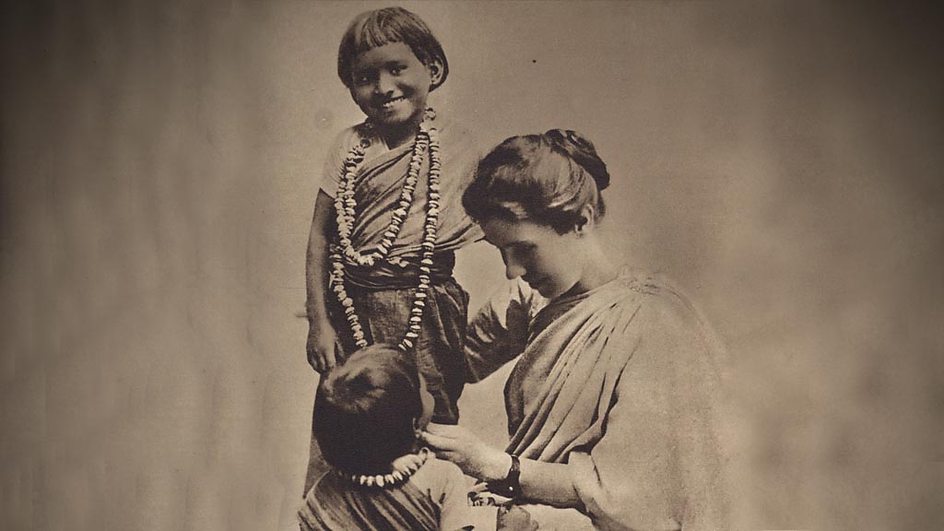
Amy Carmichael with the children of Dohnavur Mission, Tamil Nadu

Ban of Tobacco and Paan at the Maramon Convention

The use of tobacco and paan was a way of life in Kerala during the first half of the 20th Century. It was an essential item at social events such as marriages and other family gatherings. Tobacco and paan was easily available through shops all over Kerala. It was a common sight to have people attend the Maramon Convention meetings with beedi and murukkan in their pockets.
Through his messages, Dr. Stanley Jones urged people to refrain from the use of tobacco products. During one meeting, he asked the convention participants to bury their tobacco (which they were carrying) in the sand on the pandal floor. In another meeting, he collected all the tobacco products from the people and burnt it near the pandal in front of everyone.
It is only after much persuasion that the people stop using it and today it is not permitted at the Maramon Convention pandal.
Read more about Dr. E. Stanley Jones at the Maramon Convention with rare photos

1905: Printing Maramon Convention Sermons overnight!
At present, Maramon Convention messages (full text) are printed and sold on the next day morning from counters for the convention attendees. This enables people to take home the sermons of the previous day and read them again and share the sermons with people who were not able to attend the convention. These printed sermons are also shared in cottage prayer fellowships, parish prayer groups and for personal prayer and meditation.
However, few people know that this practice started in 1905. There were no microphones and speakers. The convention messages were repeated in relay by three persons – at times four or more – standing in different places of the pandal to make it audible to the thousands of people who attended. This relay process took a long time and was tedious for the audiences. The printing of messages in 1905 became a real blessing for all and continues to be so today. Today, God has blessed the Church members with technology which enables them to watch the Convention live through web streaming and receive updates on emails and websites.

Rev. Thomas Walker – Church Missionary Society
Given below is the report about this, from the Thomas Walker’s biography.
“1905 Wednesday, February 22. I awoke feeling very weary, for the heat was extraordinarily oppressive, and seemed to take all the life out of one. The Syrian brethren made one very good arrangement this year.
Each day’s addresses wore printed by night at their printing press at Tiruwella, eight miles away, and were on sale the next day in a booth near the pandal. Thus
the printed pages supplemented the speaker’s voice, and carried the message far and wide.”

Explaining the Maramon Convention to Children (Free pdf)
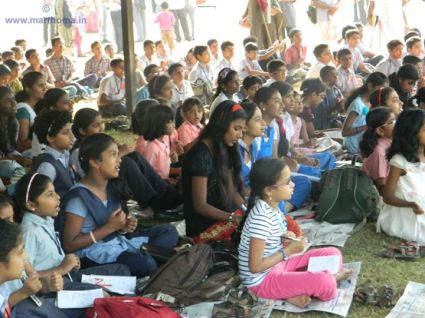
Children at the 120th Maramon Convention Pandal. Photo Courtesy: Photo Courtesy http://marthoma.in/maramon-convention
121st Maramon Convention for Kids
A pdf resource sheet for Parents / Sunday School Teachers to explain to their children facts and events chosen from the history of the Maramon Convention.
https://nalloorlibrary.com/wp-content/uploads/2015/02/120th-maramon-convention-for-kids.pdf

The Coonan Cross – A forgotten Church!
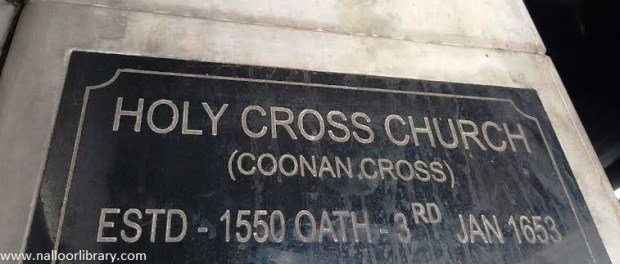
Stone plaque inside Coonan Cross Church – Photo by Nalloor Library on 3rd Jan 2016 on the anniversary.
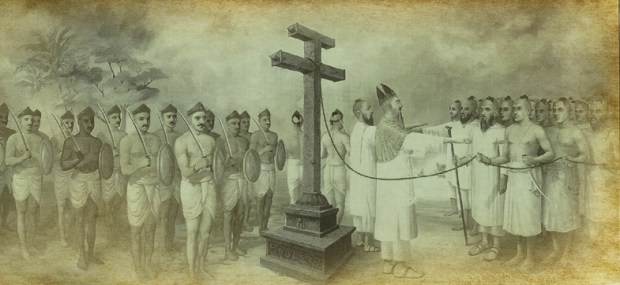
An illustration of the Oath taking at the Coonan Cross. Picture courtesy chroniclesofmalabar
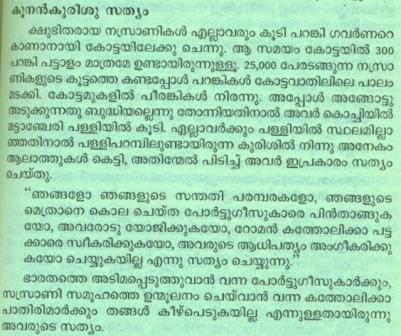
3 January, 1653: Oath of Coonan Cross. Under the influence of the Portuguese Empire a synod was convened at Udayamperoor near Ernakulam in 1599 and the Malankara Church was made part of the Roman Catholic Church. People who wished for freedom from the supremacy of the Roman Catholic Church tried to get a bishop from Babylon.
On the request of the Syrian Christians, a bishop named Ahathulla was sent to Malankara in 1652. However, he was captured and killed by the Portuguese in Goa. The Syrian Christians were infuriated and on 3rd January 1653, gathered in large numbers at a church in Mattancherry (Cochin).
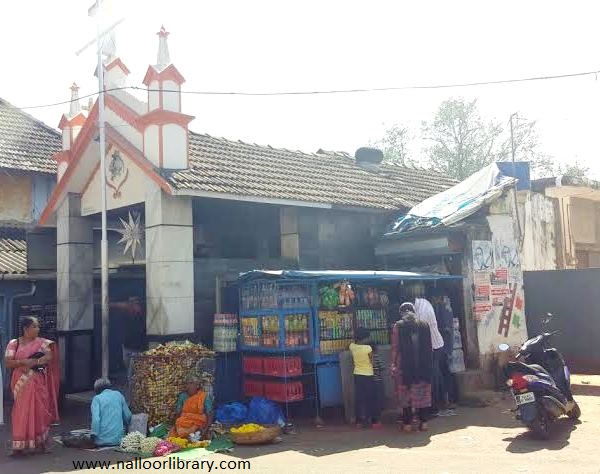
Coonan Cross Church – Photo by Nalloor Library on 3rd Jan 2016 on the anniversary day
They tied ropes to the granite cross in front of the church and by touching the ropes, took an oath severing their connection with the Roman Catholic Church. This incident is known as the Oath of Coonan Cross. (Coonan in Malayalam means bent – The Cross bent to one side during the oath taking ceremony).
According to tradition , out of a population of 200,000 St. Thomas Christians, only 400 remained loyal to the Roman Arch bishop Garcia. The event in 1653 broke the fifty four year old yoke of Roman supremacy imposed at the Udayamperur Synod of 1599.
However, today the church is a Catholic Church and it seems that a Church of historical value has no importance to any of the Non-Catholic Syrian Christian Indian Churches. It is also ironical that this story is taught in Sunday Schools in all these Churches with no historical meaning or significance. The Cross present today appears to be a wooden cross. It does not look like a stone cross that should be a couple of centuries old now as mentioned in all history books.
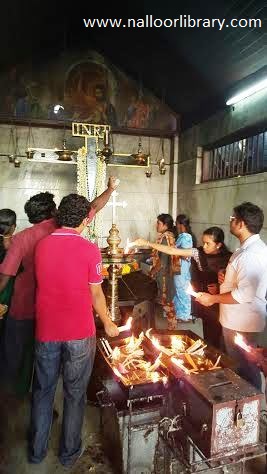
Inside Coonan Cross Church – Photo by Nalloor Library on 3rd Jan 2016 on the anniversary day.
1 December, 1973: Mathews Mar Athanasius Episcopa passes away
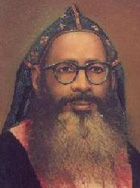
Mathews Mar Athanasius Episcopa
1 December, 1973: Mathews Mar Athanasius Episcopa passes away (b.7 Jun 1900). Dr. Mathews Mar Athanasius Episcopa was a member of the Kurudamannil family of Ayroor.
After obtaining the B.A., L.T Degrees he became the Headmaster of Keezhillam School. He took the initiative for the establishment of the Ashram High School at Perumbavoor.
He became a priest in 1929 and Bishop in 1937. He gave able leadership to various organizations of our Church. He was called home on 1 Dec, 1973.

20 November, 1904: Death of Stephanos Kathanar
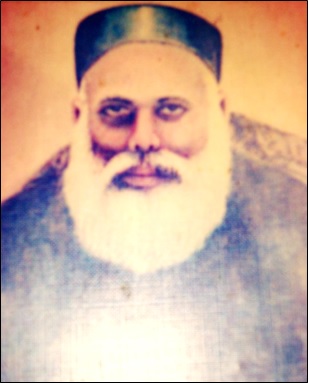
Stephanos Kathanar
20 November, 1904: Death of Stephanos Kathanar – Author of “Shayana Namaskaram”.
Stephanos Kathanar (born on 14 June 1852) was a member of Kallarakkal Peedikayil family of Thazhahkkara, Mavelikkara. He became a deacon at the age of 8. He was an expert teacher of the Syrian Language.
In 1897 he established Thazhakkara Mar Thoma Church and started a library for the parish. Achen is the author of The Shayana Namaskaram– (prayer song usually sung with the evening family prayer or public worship) “njangalkullha karthave…” which is still used by many Kerala Christians.
Achen’s grandson Dr. Samuel Mathai was the Vice-Chancellor of the Kerala University. He was called to his eternal home on 20 Nov 1904.
9 November, 1964: Mrs. Kandamma Varghese (of Mar Thoma Sevika Sanghom) passes away.
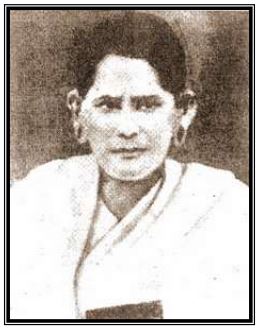
Mrs. Kandamma Varghese
9 November, 1964: Mrs. Kandamma Varghese (of Mar Thoma Sevika Sanghom) passes away.
“The Mar Thoma Suvisesha Sevika Sanghom owes much to the self sacrificing work of Mrs. Kandamma Varghese who worked untiringly as the Organizing Secretary for over 20 years, traveling far and wide, organizing branches in the parishes, doing evangelistic work among Christians and non Christians, and building up the work in parishes.” ~ The Mar Thoma Church, Heritage and Mission – Alexander Mar Thoma Metropolitan.
Mrs. Kandamma was a modest person in wearing jewellery. She used to request people who had more than one gold chain to donate the second one for gospel work. Due to Kandamma’s loving approach to the wife of Diwan Bhadur Dr. V. Varghese sold her ornaments and donated the money for the construction of the Salem Orphanage in Tiruvalla.
Kandamma spent her final days in Perumbavoor with her son Mr. C. V. Koshy who was the headmaster of the Ashram High school there. When she died on 9 Nov, 1964, at the age of 88, she left behind a glowing legacy of her work in Kerala.
Read more in our free pdf E-book which is also an excellent resource for Sunday Schools and church organizations.


8 Nov 2015: CSI, CNI and Mar Thoma Church celebrate “Festival of Unity of Communion of Churches in India (CCI) CSI- CNI-MTC”
On 8 November, 2015, Sunday: the CSI, CNI and Mar Thoma Churches will celebrate this Sunday as the ‘”Festival of Unity of Communion of Churches in India (CCI) CSI- CNI-MTC”‘.
The Communion of Churches in India (CCI) has been constituted as the visible organ for common expression of the life and witness by the founding Churches, the Church of North India (CNI), the Church of South India (CSI) and the Mar Thoma Syrian Church (MTC) which recognise themselves as belonging to the one Church of Jesus Christ in India, even while remaining as autonomous churches, each having its own identity of traditions and organizational structures. “The Communion” invites other Churches in India to enter into full communion with the member churches separately and join “The Communion”.
2 November, 1942: The first workers of Sihora Ashram start from Kottarakkara.
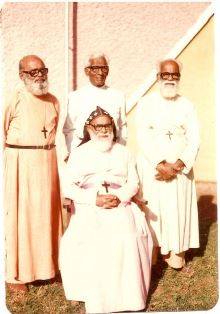
Founders of the Sihora Ashram with Most Rev. Alexander Mar Thoma Metropolitan.
On the morning of 2 November 1942 a huge crowd under the leadership of the Bishop Juhanon Mar Timotheos gathered under a tree on the eastern side of the Kottarakkara railway Station and gave a sensational send off to Rev. K.T. Thomas, Karimparampil.Anaprampal), Mr. John Varghese (Valethu Thoppil, Puthencauv), and Mr. M. P. Mathew (Mavelil, Kaviyoor), the founder members of the Christa Panthi Ashram.
After visiting various north Indian cities, they finally reached Sihora on 13 September 1943 and started the Ashram. Our bishop The Late Rt. Rev .Easow Mar Timotheos was a memberof this ashram for 22 years.
For more Mission field stories vist :-www.nalloorlibrary.com;


 Nalloor Library