Remembering Dr. Ida Sophia Scudder – Founder of CMC Vellore
Dr. Ida Sophia Scudder
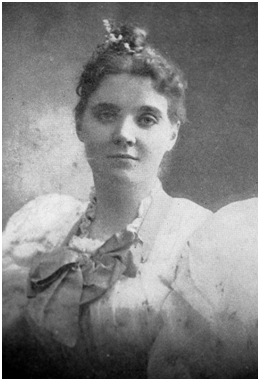
‘Aunt Ida’, as Dr. Ida Scudder was fondly called, was born in Ranipet, Tamil Nadu on 9th December, 1870 and passed away on 24th May, 1960, in Kodaikanal. To this day, she is remembered with great affection by the staff, students and alumni of CMC Vellore and the citizens of Vellore.
Her passionate concern for the women of India sprang from the night she was begged by a Brahmin gentleman to come to save his young wife who was struggling in childbirth. Then only a teenager with no medical training, she could offer no help – but the man refused to allow her doctor father to come near his wife: “it would be better that she died than be seen by a man”. On that same night, two other men came to her parents’ bungalow with the exact same request, and departed with the same sad response. The next morning she was shocked to learn that all three mothers and their babies had died – all for want of a female doctor. She gave up all thoughts of marriage and a comfortable life in the USA, and instead threw herself into medical training, returning to India as a qualified doctor in the year 1900.

Her primary focus in those early years was women and children. She started with a tiny clinic: just one bed with a window through which medicines were dispensed. In the year 1902 she opened the 40-bedded Mary Taber Schell Memorial Hospital in Vellore. In the next year, with a small band of dedicated helpers, she saw over six thousand patients and conducted 40 surgical operations. She did not neglect the rural population, but would take out bullock carts, carrying nurses and medicines, and hold ‘roadside clinics’ at the nearby villages.
The funds to build the first small hospital were donated by a New York banker, Mr. Schell, in memory of his late wife Mary. He actually gave Ida Scudder more money than she asked for because he wanted it, he said, to be a “very good hospital”. This concept of not settling for “good enough” but striving for excellence was one of the hallmarks of Aunt Ida’s life, and of the institution she founded. CMC has always tried to be the very best it can be, sending its staff for higher studies at leading institutions around the world, and investing in the latest medical technology.
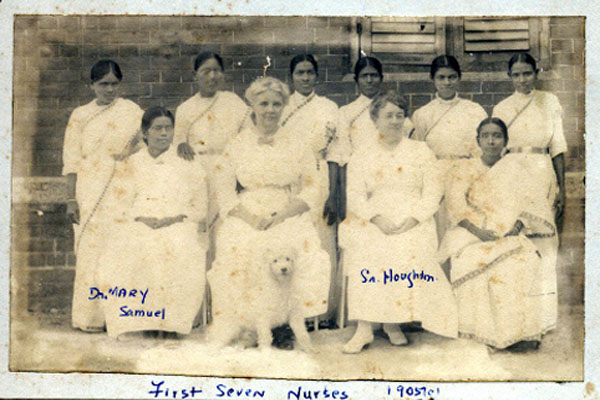
Right from the beginning, Ida knew that she needed to train women to help women. Initially it was compounders and nurses: formal nurse training began in 1909. By the year 1918, she proudly opened the Missionary Medical School for Women, which offered the LMP (Licensed Medical Practitioner) course.

In 1928, ground was broken for the “Hillsite” medical school campus on 200 acres at Bagayam, Vellore. In 1928, Mahatma Gandhi visited the medical school.
In 1942 this was upgraded to a full MBBS degree course, and men were admitted from 1947 onwards. The Nursing School became the first College of Nursing in India in 1946 and is now a WHO collaborating centre for Nursing and Midwifery. In 2020, CMC Vellore celebrated Aunt Ida’s 150th birth anniversary and 120 years of CMC Vellore.
Ida Scudder is famous as the founder of the Christian Medical College and its associated hospitals, but her legacy is far greater than the institution and its buildings.

She brought new hope and dignity to women in South India, giving them the benefits of modern medicine previously denied them by cultural barriers. She opened up the health care professions to women from all faiths and backgrounds, encouraging families to allow their daughters to train as nurses and doctors and showing by her own example and her students’ achievements that women could equal men both in medical studies and clinical proficiency, and excel in leadership even in the toughest of times.
Ida Scudder inspired hundreds of young medical professionals to take the words of Jesus as their motto. He said that he had come, “not to be served but to serve.” Many of her graduates dedicated their lives to bringing healthcare and new hope to remote areas of India. Others continued to serve in Vellore, passing on the torch of knowledge, skill and compassionate caring to new generations.
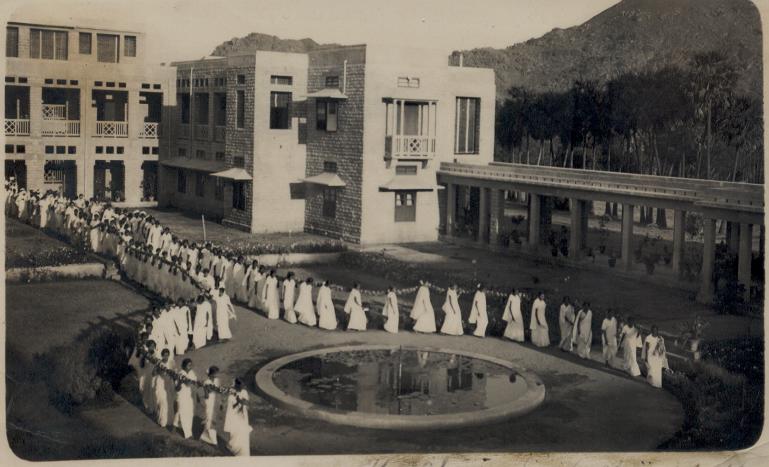
At the same time, Ida never lost “the common touch”. Patients loved her because of her compassionate care for them and the way, even after retirement, she used to sit beside them in their pain and hold their hands. Her students loved her because she made them her family, spending her off-duty time with them for relaxation and fun, and not just studies. Her colleagues and staff members respected her trust in them and her integrity, tireless hard work and indefatigable spirit as she strove to build “not a medical college, but the Kingdom of God”.
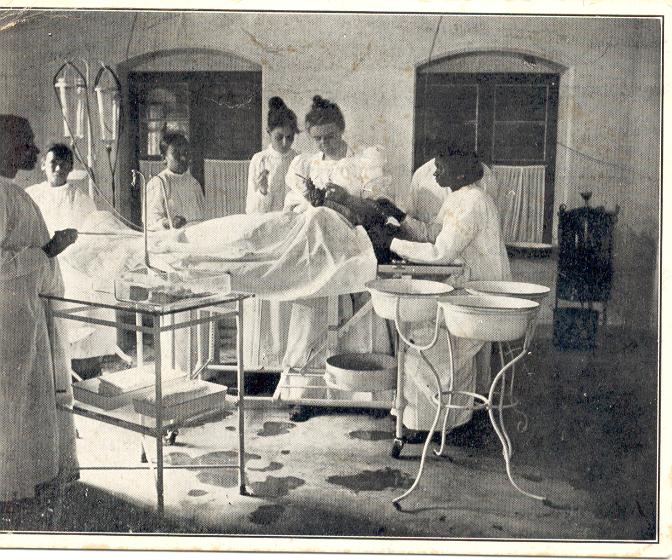
Ida Scudder, who never had any postgraduate medical training, was a pioneer in many areas: medical training for women, roadside clinics, new initiatives in education and research. Yet, she was so determined to start helping in India that she had arrived in Vellore, in 1900, without any working experience: her plan was to serve her internship under the supervision of her father. However, he died within a year of her return to India.
When it came to the first years of academic teaching, she had to go back to her basic text books and constantly study to keep ahead of her students. Nevertheless, she recognised the value of research and both published papers herself and encouraged others to do so. She tried to make sure that CMC was at the forefront of introducing new treatments and acquiring the latest equipment. Her commitment to improving the quality and effectiveness of medical practice has resulted in CMC Vellore being one of the leading medical research institutes in India.
For her tremendous and tireless service to the nation, Ida Scudder received the Kaiser-i-Hind medal in 1920. But she was not someone who merely achieved great things herself; she also inspired others to achieve more than they could imagine. She had to cajole and persuade people to train in new specialities and take up unfamiliar administrative responsibilities – and people responded willingly because of her leadership and passion. Somehow, during the closing years and aftermath of the Second World War and with no financial security, she managed to pull together a top class faculty to staff the new Medical College.
As we now gradually recover a respect for nature, and an awareness of its value and fragility, we should remember that Ida Scudder, one hundred years ago, was a committed environmentalist. She ensured that there was always space for flowers and trees in her hospital. She loved creation and retired to the blossoms and natural beauty of Kodaikanal.
Ida Scudder continued to provide inspiration and moral support for those who assumed leadership of the College and hospital after her retirement in 1945. She encouraged the emergence of a cadre of Indian professionals who were committed to the highest standards of medical practice and education. Her funeral in 1960 in Vellore was an all-community event with thousands of people of many faiths lining the streets. The Government of India issued a commemorative stamp on 12th August 2000 in her honour.
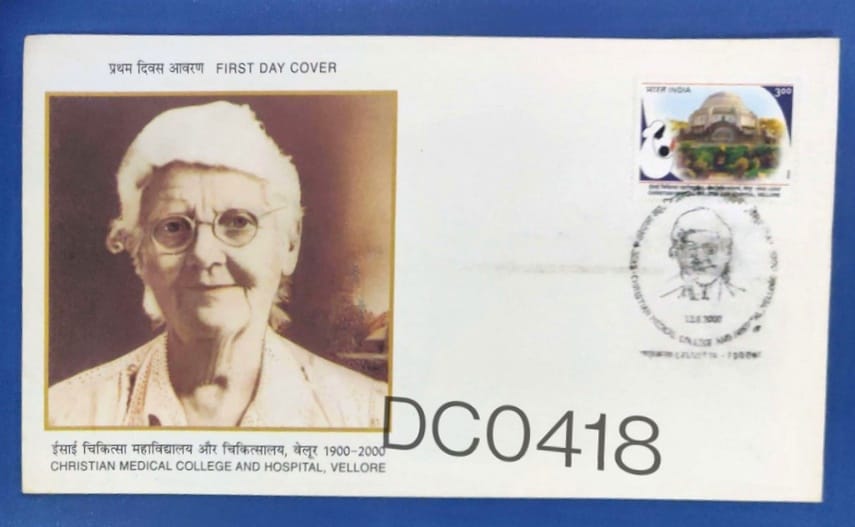

Ida Scudder’s example of dedicated service to God and to mankind, her tireless work, pioneering spirit and deep practical faith has continued to motivate the Christian Medical College Vellore, its staff and students, to the present day. Her values and ideals remain at the centre of the institution and are the reason why it continues to grow, continues to have room for both rich and poor and continues to hold international respect for its work in education, healthcare and research.
Always she carried great burdens: responsibilities to her patients and staff, shortage of resources and difficult leadership decisions. However, this never showed, for she relied ultimately on her God, who, in the words of her favourite hymn, was her Vision, Shield and Delight.
Ida, a charismatic and indomitable leader who was completely committed to her cause, was ably supported by many wonderful women who strengthened her hands and worked beside her, to make all her dreams for India and Indian women come true.


Additional Reading
Calling, Conflict and Consecration: The Testament of Ida Scudder of Vellore
By Reena Mary George, MBBS, MD(RT), MA(CS), Professor of Palliative Medicine, Christian Medical College, Vellore, India https://journal.cjgh.org/index.php/cjgh/article/view/10/82
For further study – Researchers can follow this link to the Ida Sophia Scudder Papers. Schlesinger Library Archived at https://hollisarchives.lib.harvard.edu/repositories/8/resources/5677#
12 Nov 2023: CSI, CNI and Mar Thoma Church celebrate “Festival of Unity of Communion of Churches in India (CCI) CSI- CNI-MTC”
On 12 November, 2023, Sunday: the CSI, CNI and Mar Thoma Churches will celebrate this Sunday as the ‘”Festival of Unity of Communion of Churches in India (CCI) CSI- CNI-MTC”‘.
The Communion of Churches in India (CCI) has been constituted as the visible organ for common expression of the life and witness by the founding Churches, the Church of North India (CNI), the Church of South India (CSI) and the Mar Thoma Syrian Church (MTC) which recognise themselves as belonging to the one Church of Jesus Christ in India, even while remaining as autonomous churches, each having its own identity of traditions and organizational structures. “The Communion” invites other Churches in India to enter into full communion with the member churches separately and join “The Communion”.
In a meeting of the Executive Committees of the CNI, CSI & MTC in November 1999 at CharalKunnu, Kuriannoor, Kerala from 11-14 November, 1999, it was unanimously recommended that the name ‘The Communion of Churches in India’ be adopted in place of the Joint Council to reflect the growth in the experience of unity among the three churches.
Festival Of Unity
CCI week every year in the second week of November with special combined worship service on second Sunday in November in all the Churches of the member Churches. Please look for the Special Order of Worship prepared for the Occasion
Common Liturgy – The Communion of Churches in India
Historical Background
The Communion of Churches in India (CCI) has been constituted as the visible organ for common expression of the life and witness by the founding Churches, the Church of North India (CNI), the Church of South India (CSI) and the Malankara Mar Thoma Syrian Church (MTC) which recognise themselves as belonging to the one Church of Jesus Christ in India, even while remaining as autonomous churches, each having its own identity of traditions and organizational structures.
“The Communion” invites other Churches in India to enter into full communion with the member churches separately and join“The Communion”. The genesis of the story goes back to the invitation by the CNI to form three commissions of representatives of the three churches: the Church of North India, Church of South India and the Malankara Mar Thoma Syrian Church (here-in-after referred to as CNI.CSI and MTC) to explore the ways and means of further cooperation and witness in India. This move was welcomed during the meeting of the CSI and MTC Negotiation Commission, held on 17th May 1974. Therefore the three churches appointed their representatives to the Theological Commissions of their respective churches and these commissions began to function as a Joint Theological Commission.
The first meeting of the Joint Theological Commission was held in January 1975 at Madras. The object of the Commission was to explore the possibilities of close cooperation between the CNI, the CSI and the MTC and to discuss the question of faith and order and other relevant issues. The aim of this was that there might be union between these churches, keeping in mind the ultimate goal of all Christ’s people in India i.e. the fulfillment of the Mission of the Church. During their third meeting in September 1976, the JTC passed the proposal for a new model of union for these three churches, which was accepted, and the Joint Council was inaugurated in July 1978, at Nagpur.
Aims And Objects Of The Communion
✮ To serve as the common organ of the member Churches for working towards a visible manifestation of the Unity of the Churches and of the whole Church of Jesus Christ in India.
✮ To help the Churches to fulfill the Mission of Evangelization of the people of India and of witnessing to the righteousness of God revealed in the Gospel of Jesus Christ by striving for a just society.
✮ To work with all people of good will to establish peace with justice and integrity of creation.
✮ To explore possibilities of common action for the fulfillment of the mission of the Church in India and outside.
✮ To consider the question of Faith, Worship and Order and other relevant issues arising from their present relationship of full communion and make appropriate recommendations, so that the churches may grow in mutual understanding, the deepening of the experience of oneness in Christ, and in the visible manifestation of unity.
Late Dr. Russel Chandran, one of the active proponents of the council since its formation used to say that the Joint Council was established on the basis of acknowledgement of the three churches that they were already one church because of their oneness in doctrine and mutual recognition of their sacrament and ministry. It was intended to give visible expression of the unity which already existed. One of the components of visible unity was adoption of a common name. Some expressed the difficulty, that do adopt a common name would be a question of losing the identity of the three churches. However organic unity with a common name was ruled out. The attempt was made to manifest oneness through a common structure, while retaining the autonomy of the three churches.
According to the Preamble of the new constitution, the objects are :
✮ To serve as the common organ of the member churches and of the whole church of Jesus Christ in India.
✮ To help the churches to fulfill the mission of evangelization.
✮ To strive with all people for justice and integrity of creation.
✮ To explore possibility of common action for fulfillment of mission.
✮ To consider question of faith, worship and order and other relevant issues.
In a meeting of the Executive Committees of the CNI, CSI & MTC thin November 1999 at Charal Kunnu, Kerala from 11-14 November, 1999, it was unanimously recommended that the name ‘The Communion of Churches in India’ be adopted in place of the Joint Council to reflect the growth in the experience of unity among the three churches. The new name was adopted and announced at the 10 Joint Council Meeting held in Calcutta on 13th and 14th November 2000. According to the Constitution of the CCI the General Assembly is held ordinarily every four years. The first General Assembly of the Communion of Churches was held on 10 March 2004 in Cochin but somehow after two years the second General Assembly was held in CSI Centre, Chennai from 3rd to 5th July 2006. The third General Assembly was held in CNI Bhavan New Delhi on 2nd and 3rd March 2010. It was decided to observe second Sunday in November every year as the Festival of Unity in the second meeting of the Executive Committee of the Joint Council held on 5th May 1979.
The first General Assembly held at Shantigiri, Aluva held from 7th to 10th March 2004 had noted the following challenges:
✮ Unity at the level of people’s struggle
✮ Making visible the unity we have
✮ From Institution to movement
✮ Empowering people as a form of service towards justice.
✮ From bureaucracy to people
✮ From National to local The CNI Moderator in his keynote address had said “ We need to learn lessons from our past, from our mistakes and also from the insights of our ancestors and be guided by the Holy Spirit into that Unity which God wants. Let us walk together on a new journey and make a new beginning in our effort for walking as united in faith and action.
Prayer
JOINT COUNCIL (CCI) PRAYER
“Almighty God, our heavenly Father, in you alone all things are held together in unity. You have united us in a new way in Jesus Christ by the power of the Holy Spirit. We praise you for your love which is the bond of our unity.
We give thanks to you that you have led the three churches to which we severally belong to come together and to form a Joint Council and now called the Communion of Churches. You have also called us to united in prayer that we may all receive your blessings and grow in unity.
In our prayers, O Father, we join with our Lord Jesus Christ in his prayer for all who believe in him “that they all may be one.. that the world may believe” (John 17:20) We confess before you our tolerance of disunity and our share in taking pride in our heritages more than in Jesus Christ and his Cross.
We pray for the continued guidance of your Holy Spirit that through the Joint Council our bond of unity in love may deepen and our oneness may strengthen our witness t the Gospel of Jesus Christ. Help us to unite for Christ’s mission not only at the national level but in all levels, wherever we can be together for worship, mission and service. We seek your blessings so that our common life and witness may be a blessings to the nation to which we belong.
We specially pray for the Presiding Bishop and the members of the Presidium,……the Moderator of the Church of North India,……the Moderator of the Church of South India and … the Metropolitan of the Mar Thoma Church, and the members of the CCI Secretariat and for all other Bishops, ministers and the laity and commend them to your mercy, protection and guidance. Grant that led by their ministry the churches may continually grow in love and unity. May your peace, our heavenly Father, be always with us. Through Jesus Christ our Lord.
AMEN.
for more information visit https://communionofchurchesinindia.org.in
World Sunday School Day: 5 Nov 2023 (Free Ebook – Robert Raikes and how we got the Sunday School)
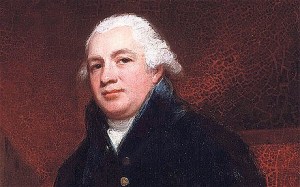
5th November 2023 : World Sunday School Day – The first Sunday of the Month of November is celebrated throughout the world as Sunday School Day. The Mar Thoma/ CSI/ CNI churches are celebrating Sunday, 5th November, 2023 as World Sunday School Day.
Robert Raikes (1735- 1811), an English Publisher, started the first Sunday School in the city of Gloucester in England in 1780. During the early days, reading, arithmetic and Bible was taught at the Sunday Schools.
In 1809, Church representatives of the Malankara Churches held a meeting at Kandanadu Church, near Ernakualam to arrange facilities to teach children in the Church about religion, prayers and sacraments. The India Sunday School Union was founded in 1876.
The Mar Thoma Sunday School Samajam was established on 25 February 1905, at the Maramon Convention.
We encourage our readers to read and share this Free 4 page PDF Ebook Resource for your Sunday Schools and children’s services: Robert Raikes and How We Got Sunday School
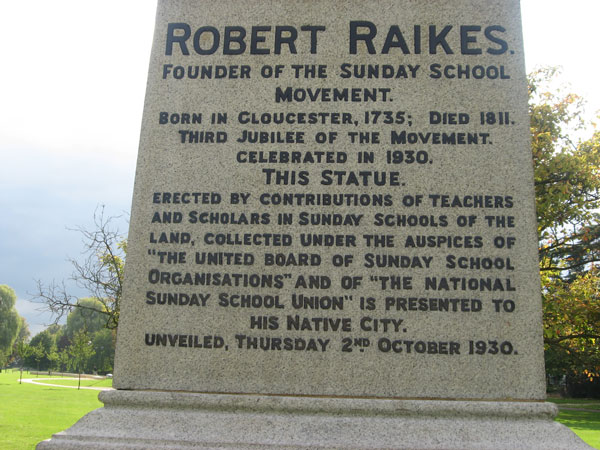
Also read – Pages from History: Formation of Mar Thoma Sunday School Samajam – 1905

22nd October 2023: Family Sunday Service (Free Malayalam pdf EBook) CNI-CSI-MarThomaSyrianChurch
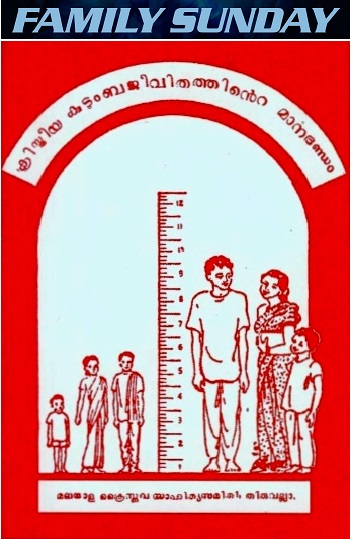
On 22nd October 2023 (21st Sunday after Pentecost), Family Sunday is celebrated by the CSI church, CNI church and the Mar Thoma Syrian Church. This year’s motto is “Family an expression of the Kingdom of God”.
Download this free pdf Ebook published in Malayalam in 1951 that is still relevant to today’s Christian life. This book can be used as a resource for your Family Sunday service. The link can be shared and used by church members, parishes and church organizations. It can be accessed on any smartphone, tablet or computer for free.
The Principles of Christian Family Life (Malayalam) (Published in 1951)


Mar Thoma Voluntary Evangelists’ Association Day – 1st October
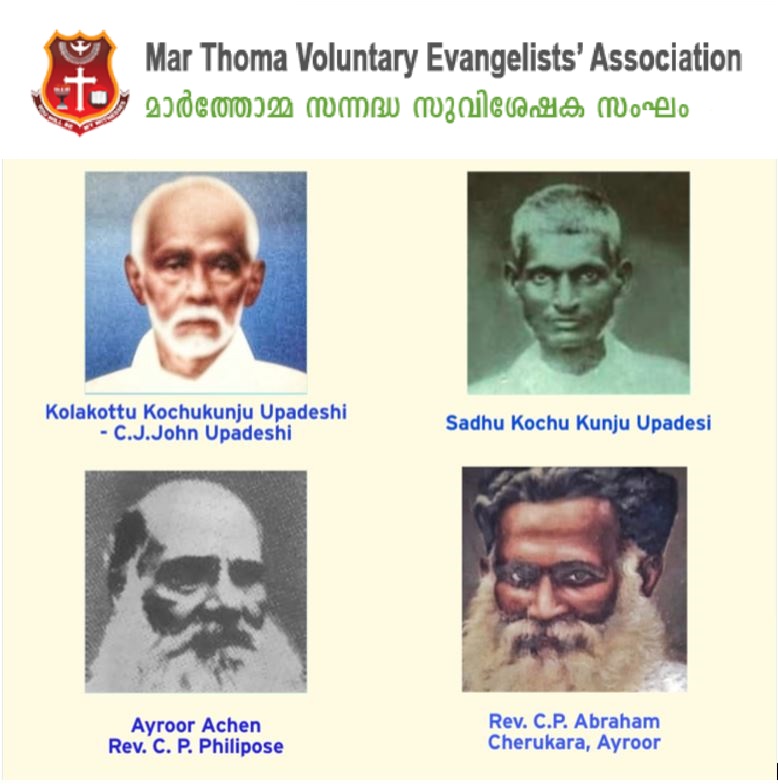
The Mar Thoma Voluntary Evangelists’ Association, established in 1924, is a recognized organization within the Mar Thoma Church. The reformation within the church ignited a strong desire among people for group prayer and Bible study. Rev. C.P. Abraham Kassissa initiated the inaugural prayer meeting at Chayal Mar Thoma Church, Ayroor, which later evolved into monthly gatherings.
The first anniversary meeting, presided over by Most Rev. Dr. Abraham Mar Thoma, took place at Sehion Mar Thoma Church in Ayroor. Subsequently, on August 23, 1924, as decided during the first anniversary meeting, a special assembly was convened at Chayal Palli. During this gathering, an association was formally established under the name “Malankara Mar Thoma Somedha Suvishesha Sanghom” which was later changed to its current form in English as the “Mar Thoma Voluntary Evangelists’ Association”.
. The following individuals were elected as office bearers:
- President: Very Rev. C.P. Philipose Kasseessa
- General Secretary: Sadhu Kochukunju Upadeshi, Muthampakkal, Edayarnmula
- Travelling Secretary: Kolakottu C.J. John Upadeshi
This association began as a fellowship of dedicated believers who volunteered their efforts in God’s vineyard without seeking financial gain or personal motives.
The association’s activities are guided by a Seven Point Program:
- Intercession
- Bible Study
- Sharing of Experiences
- House Visits
- Ministry to the Sick and Needy
- Conducting Prayer Meetings
- Spreading the Gospel among People of Other Faiths and Ideologies
Notable activities include:
- Edavaka Mission
- Gospel Team
- Abraham Mar Thoma Memorial Bible Institute
- Abraham Mar Thoma Memorial Convention
- Abraham Mar Thoma Memorial Lectures
- Monthly Intercession Prayers, including All-Night Prayer
- Suvishesha Nilayam and Mission Fields
The camp center for these activities is the JMT Camp, which also serves as a research and meditation center located in Kombadi, Tiruvalla.
The Association manages three mission fields at Achencovil near Punalur, Mukkada near Ranny and Kalkulam near Chungathara. Its official magazine is the Tri-Monthly ‘Sandesam’ containing sermon notes, Bible studies, articles and the news about the association.

The Mar Thoma Voluntary Evangelists’ Association serves as the organization in the Church emphasizing the ministry of the laity in the Church. The Platinum Jubilee of the Association was celebrated in 1999.
C. P. Abraham Kasseessa, Cherukara Chuzhukunnil, Ayroor 1876-1940
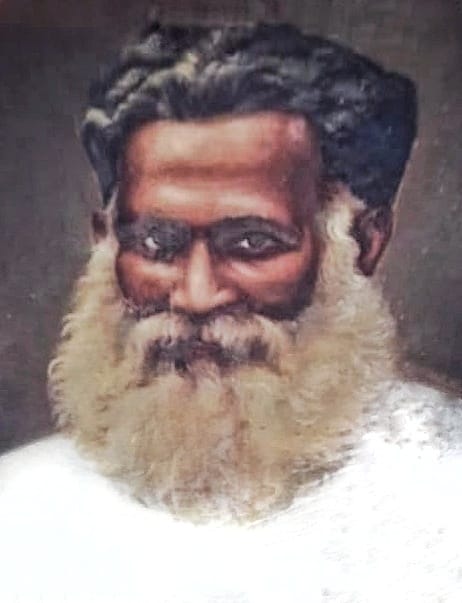
C. P. Abraham Kasseessa, hailing from Cherukara Chuzhukunnil, Ayroor (1876-1940), was the son of the Vicar General, Very Rev. Philipose Malapan (1836-1894), of Cherukara in Ayroor. Abraham’s ecclesiastical journey began after completing his Matriculation when he became a Deacon in 1897 and subsequently a Priest in 1898. His visionary zeal led to the establishment of numerous Mar Thoma Parishes in and around Ayroor, and it was his unwavering commitment that ultimately gave rise to the Evangelists’ Association.
During the Revival Movement (Naveekaranam), prayer groups emerged in various Mar Thoma Parishes. These groups dedicated themselves to Bible Study, Intercessory Prayer, and spreading the Gospel message. Under the guidance of Rev. C.P. Abraham Kasseessa, prayer groups from Kuriannoor, Ayroor, Maramon, and Kozhencherry convened at Chayal Mar Thoma Church, Ayroor. The inaugural meeting occurred on August 23, 1923, followed by monthly gatherings led by Abraham Kasseessa.
The first anniversary meeting, presided over by Abraham Mar Thoma Thirumeni, took place at Sehion Mar Thoma Church in Ayroor. Subsequently, on August 23, 1924, as decided during the first anniversary meeting, a special assembly was convened at Chayal Palli. During this gathering, an association was formally established under the name “Malankara Mar Thoma Somedha Suvishesha Sanghom” which was later changed to its current form. The following individuals were elected as office bearers:
- President: Very Rev. C.P. Philipose Kasseessa
- General Secretary: Sadhu Kochukunju Upadeshi, Muthampakkal, Edayarnmula
- Travelling Secretary: Kolakottu C.J. John Upadeshi
Ayroor Achen, Rev. C. P. Philipose
Ayroor Achen, Rev. C. P. Philipose (born. May 25, 1868, died. February 2, 1948), son of Ayroor Cherukara Naranathu Paruvelithundiyil Very Rev. Philipose Malpan and Mariamma Philipose (Chengannur Kanjipuzhethu).
After completing his Bachelor of Arts (B.A.), he was ordained as a deacon in 1892 and later as a priest in 1895. Rev. C. P. Philipose served as the vicar for various parishes in the vicinity of Kozhencherry and Ayroor. Many of the Mar Thoma parishes to the east of Kozhencherry owe their establishment to his dedicated efforts.
In 1890, Rev. C. P. Philipose assumed the role of General Secretary of the Mar Thoma Evangelistic Association, a position he held for over half a century until his resignation due to declining health. He provided steadfast leadership for the Maramon Convention for nearly five decades and was a significant contributor as one of the main translators. His sons, Mr. C. P. Philip and Prof. C.P. Mathew, continued his legacy. Rev. C. P. Philipose passed away on February 2, 1948, and he was laid to rest in the cemetery of Kozhencherry Mar Thoma Church, in the front row.
Kolakottu Kochukunju Upadeshi, C. J. John Upadeshi
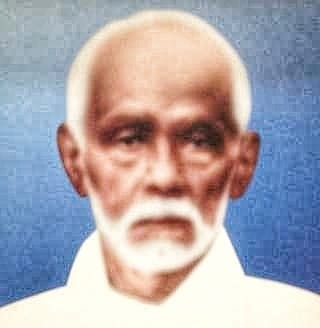
Kolakottu Kochukunju Upadeshi, also known as C. J. John Upadeshi (1879 – July 19, 1975), held the distinction of being the first Travelling Secretary of the Mar Thoma Evangelists’ Association. Born into the renowned Kolakottu Family of Ayroor, he received his early education in Ayroor itself. From a very young age, he nurtured a profound aspiration to engage in Gospel work. Despite being born with a physical impairment that caused a noticeable limp, he persevered in his calling, and God empowered him to provide significant contributions to the Voluntary Evangelists’ Association during its formative years.
At the inaugural meeting of the Voluntary Evangelists’ Association, held at Chayal Mar Thoma Church in Ayroor on August 23, 1924, he assumed the role of Travelling Secretary. His dedicated service spanned nearly four decades, during which he toured numerous Mar Thoma Parishes and established Association branches. He played an instrumental role in founding Edavaka Missions and facilitated the setup of administrative centers for the Association. His approach emphasized strengthening local branches rather than hosting grand conventions.For a period, he resided at the AMM Bible Institute in Kompadi, Tiruvalla, where he conducted Bible classes for students. He remained faithful to his mission until his heavenly calling.As the scriptures proclaim, “Those who are wise will shine like the brightness of the heavens, and those who lead many to righteousness, like the stars forever and ever.”
Sadhu Kochukunju Upadesi
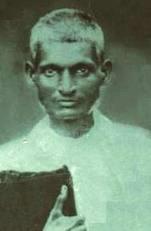
Sadhu Kochukunju Upadesi (born Dec 1883, died 30th Nov, 1945) also known as Mr. Moothampakkal Itty Varghese from Moothampakkal, Edayaranmula near Chengannur, held a remarkable place in the history of the Mar Thoma Syrian Church. He served as the inaugural General Secretary of the ‘Mar Thoma Voluntary Evangelists’ Association, established in 1924, and remained in this role until 1945. Over the span of nearly four decades, he fervently preached the teachings of the Bible in clear and accessible language throughout South India.
Sadhu Kochukunju Upadesi embodied the life of a true Sadhu, committing himself to a spiritual existence. He composed an impressive repertoire of more than 200 hymns, many of which continue to feature prominently in worship books across various denominations to this day. His powerful messages led thousands of individuals to turn to God in faith.
Read more about his life in our free pdf Ebook: https://nalloorlibrary.com/wp-content/uploads/2013/06/sadhu-kuchujunu-upadeshi.pdf
His Grace the Most Rev. Dr. Abraham Mar Thoma Metropolitan

Dr. Abraham Mar Thoma Metropolitan held the position of President in both the Mar Thoma Evangelistic Association and the National Missionary Society. In 1917, he was consecrated as a Bishop and served tirelessly as the Suffragan Metropolitan, dedicating himself to the spiritual fortification of the Church and its missionary endeavors. In 1944, upon the passing of Titus II Metropolitan, he ascended to the role of Metropolitan.
The Abraham Mar Thoma Bible Institute, established to train voluntary evangelists within the Church, bears his name in recognition of his contributions. His visionary outlook led to the creation of the Mar Thoma Suvishesha Sevika Sanghom in 1919 (Sevika Sanghom was inaugurated on Friday, February 14, 1919, during the Maramon Convention), as well as the Voluntary Evangelists Association in 1924.
He also played a pivotal role in the establishment of the Vanitha Mandiram in Tiruvalla, an educational institute for the Sevika Sanghom. Although his tenure as Metropolitan spanned only four years, his extensive ministry as a Bishop significantly fortified the Church in all its missionary endeavors. He departed to his eternal home in 1947.
Read more about his life in our free pdf Ebook: https://nalloorlibrary.com/wp-content/uploads/2013/06/ebook-dr-abraham-mar-thoma.pdf

Free E-Book [PDF] The Mar Thoma Church Heritage and Mission by Dr. Alexander Mar Thoma Metropolitan
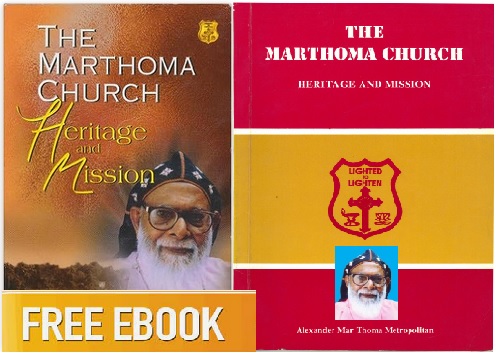
As part of Nalloor Library’s commitment to preserve the history of the church – we present to you an important history book as a free pdf – The Mar Thoma Church Heritage and Mission by Dr. Alexander Mar Thoma Metropolitan (3rd Edition). This important book documenting the history of the Mar Thoma Syrian Mar Thoma Church was first published on 1st July 1985. The 2nd Edition was printed 29 December 1986 and and an updated final 3rd Edition in 1993.

About Dr. Alexander Mar Thoma Metropolitan
Born in 1913, he was the son of Rev. M C George, Kuriannor, a devout Minister of the Church, who passed away in 1923. After his graduation and teacher’s training, he taught in the CMS High School, Kottayam for 12 years. He resigned from his teaching job and studied Theology at the United Theological College in Bangalore. He then secured S T M Degree from the Union Theological Seminary, New York and Ph.D on Bhagavad Gita from Kennedy School of Mission of the Hartford Seminary Foundation. The title of his thesis was, “Viśvarūpa Darśana: a study of the vision of God in the Bhagavadgītā”.
He had the opportunity to travel extensively in European countries and after returning from the States, he was in charge of the Manganam Parish for a year. He worked as the first Principal of Mar Thoma College, Tiruvalla. In 1953, he was consecrated as Bishop as Alexander Mar Theophilus, together with Thomas Mar Athanasius and Philipose Mar Chrysostom.
A participant of the Assemblies of World Council of Churches representing the Mar Thoma Church at Evanston in 1954, Nairobi in 1975, and Vancouver in 1983, he worked as Missionary Bishop for many years, which involved extensive travel in India and abroad. He was President of the Bible Society of India for nearly 10 years and was also one of the Vice-Presidents of the United Bible Societies. He has also attended the Central Committee of the W.C.C on different occasions. He attended the Lambeth Conference in 1980 and the Anglican Consultative Council held at Nigeria in 1984.
In 1973, he was designated Suffragan Metropolitan and as Metropolitan in the year 1976 after the demise of Juhanon Mar Thoma Metropolitan. Together with the responsibility as Metropolitan he was in charge of the Niranam-Maramon Diocese with 82 Parishes.
He used to spend several weeks in a year with the youth giving leadership discourses & training in camps and conferences and encouraging them into personal commitment towards Jesus Christ. He took special interest in the developmental activities and the social concerns of the church, its educational institutions, its missionary and evangelistic outreach, its witness and ecumenical concerns.
In 1999, Alexander Marthoma was designated Alexander Marthoma Valia Metropolitan, as the first Marthoma Metropolitan to be made Valia Metropolitan. He passed away in 2000.
Explaining the Maramon Convention 2023 to Children (Free pdf) Useful for Sunday School students and teachers!
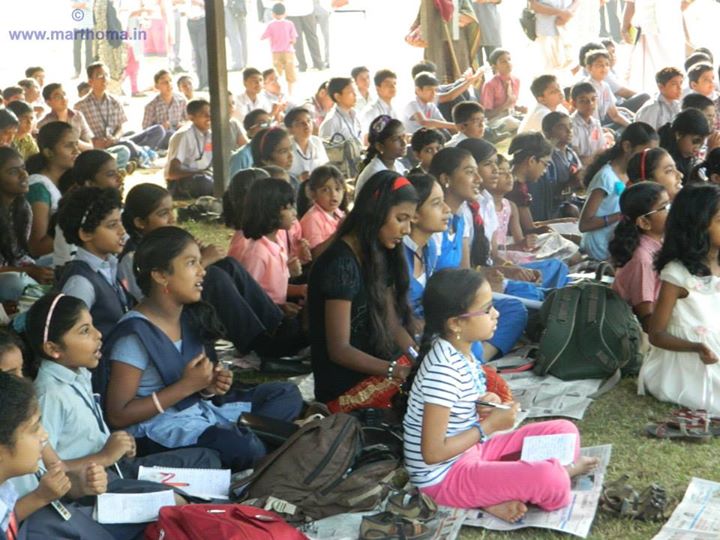
A free pdf resource sheet for Parents / Sunday School Teachers to explain to their children facts and events chosen from the history of the Maramon Convention.

Saluting our Freedom Fighters on India’s Independence Day
There have been several great souls in the Syrian Christian Community who rose to partake in the freedom struggle for India’s Independence. As India enters the 75th year of Independence, Nalloor Library would like our readers to remember a few freedom fighters who represented the Syrian Christian community and share their stories in their Sunday Schools and meetings across the world. This list is no means a complete list and only four have been chosen as representatives. We salute each and every freedom fighter across this great nation who participated in the freedom struggle and those who gave their lives for India’s freedom. Jai Hind!
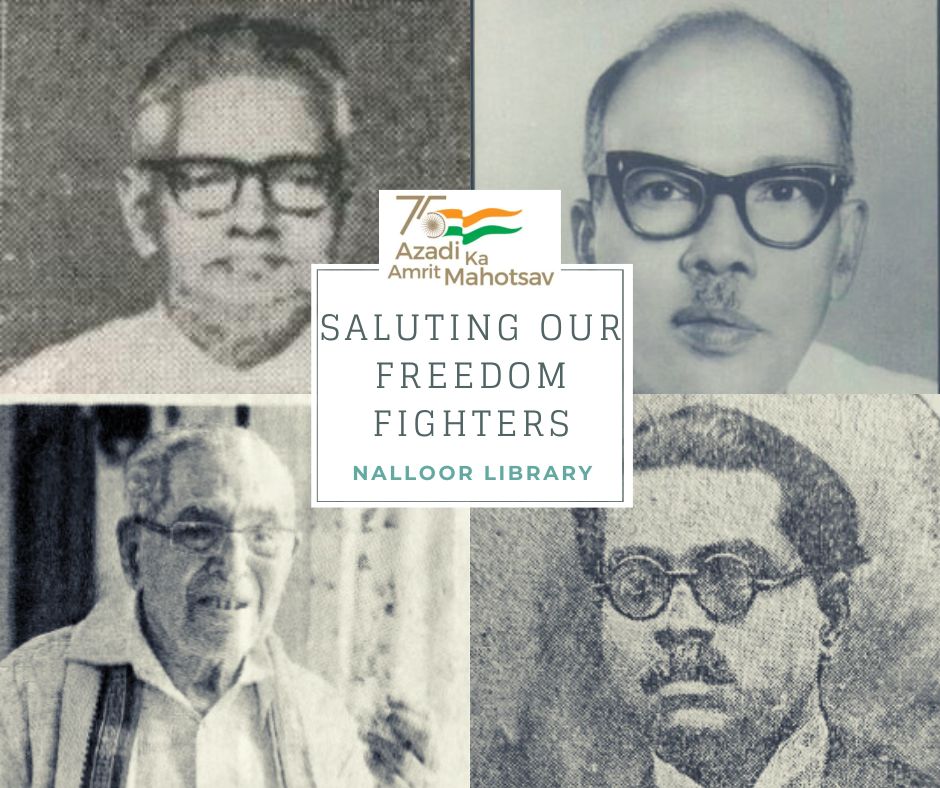
Shri Thevarthundiyil Titus also known as ‘Titusji’ – Dandi March
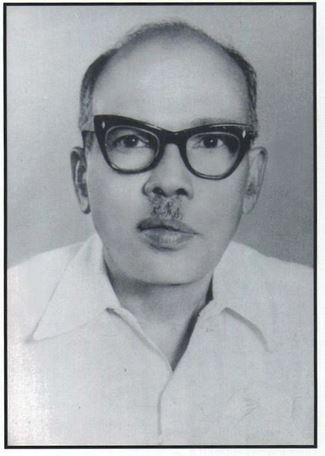
The historic Dandi Salt march by Mahatma Gandhi in 1930 triggered the wider Civil Disobedience Movement leading to India’s freedom from the British. Among the marchers that would change India’s destiny was just one Christian and a Mar Thomite, Shri Thevarthundiyil Titus also known as ‘Titusji’. A devout Gandhian – he was known by the name Titus in his earlier days. “Titusji” was the name given to him by Mahatma Gandhi as a token of love and honour.
Read more: Remembering the Mahatma of the Mar Thoma Church (Freedom Fighter) Rare Photos and Video
Mr. O. C. Chacko of the Indian National Army (INA)
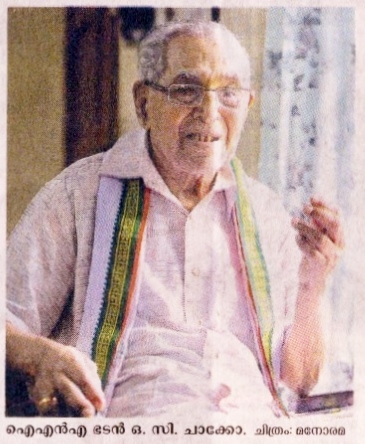
Mr. O. C. Chacko was part of the Indian National Army (INA) of Subash Chandhra Bose and member of the Kuriannoor Mar Thoma Church, Pathanamthitta, Kerala. We post a link to a write up that was published on his 100th (centenary) birth anniversary.
Read More at: 100th Birth Anniversary of a Marthomite Freedom Fighter – Mr. O. C. Chacko
Rev. C.V.George B.A., B.L
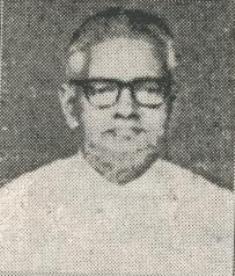
General Secretary of the Mar Thoma Sunday School Samajam. He was the only Mar Thoma Priest who is recognized and awarded as a freedom fighter by the Government. Before his ordination, he was in jail for almost a year for his participation in the Freedom movement of India.
Read more at: Pages from History: Birth of Freedom Fighter (Advocate) Rev. C.V.George B.A., B.L
George Joseph
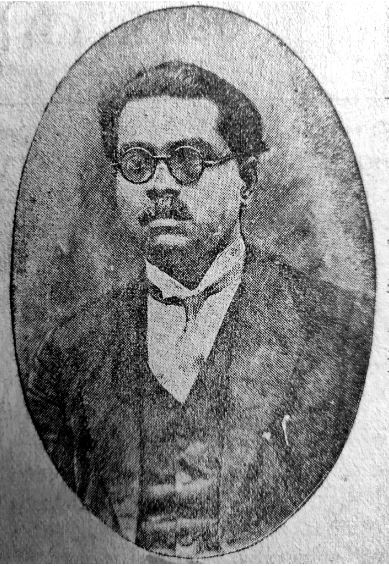
George Joseph, a barrister, fiery nationalist, avant-garde journalist, pioneer trade unionist, and ardent champion of important public causes, has etched an indelible place in the history of India’s war for Independence. He hailed from Kerala and was not just a pioneer in several fields, he was also a staunch supporter of Annie Besant’s Home Rule movement and Gandhiji’s Non-Cooperation movement during India’s freedom struggle.
He was born in Chenganoor (Kerala) in 1887, which at that time was part of the Travancore Kingdom. He completed his Law at the University of Edinburgh and it was during his stay in London that he became acquainted with notable freedom fighters like Madam Cama, S K Verma, S R Rana, and Veer Savarkar. He returned to India after finishing his education and though he established his legal practice initially in Chennai, he eventually shifted it to Madurai. George Joseph went on to become a famous criminal lawyer in Madurai. From the time he started practising there, he championed the cause of Madurai’s tribes, such as the Piramalai Kallars and Maravars. In 1920, following the Perungamanallur firing (also referred to as the Jallianwalla Bagh of the South), the British implemented the Criminal Tribes Act, labelling these groups as criminals. He vehemently opposed the Act by voicing his opinions in newspapers and he also represented these communities in court proceedings. The residents of these settlements gave him the name ‘Rosapoo Durai’ (a Rose amongst Leaders), as a symbol of their gratitude. ~indianculture.gov.in
Remembering Ms. Bagshaw – Hoskote, an example of Christian spirit and service
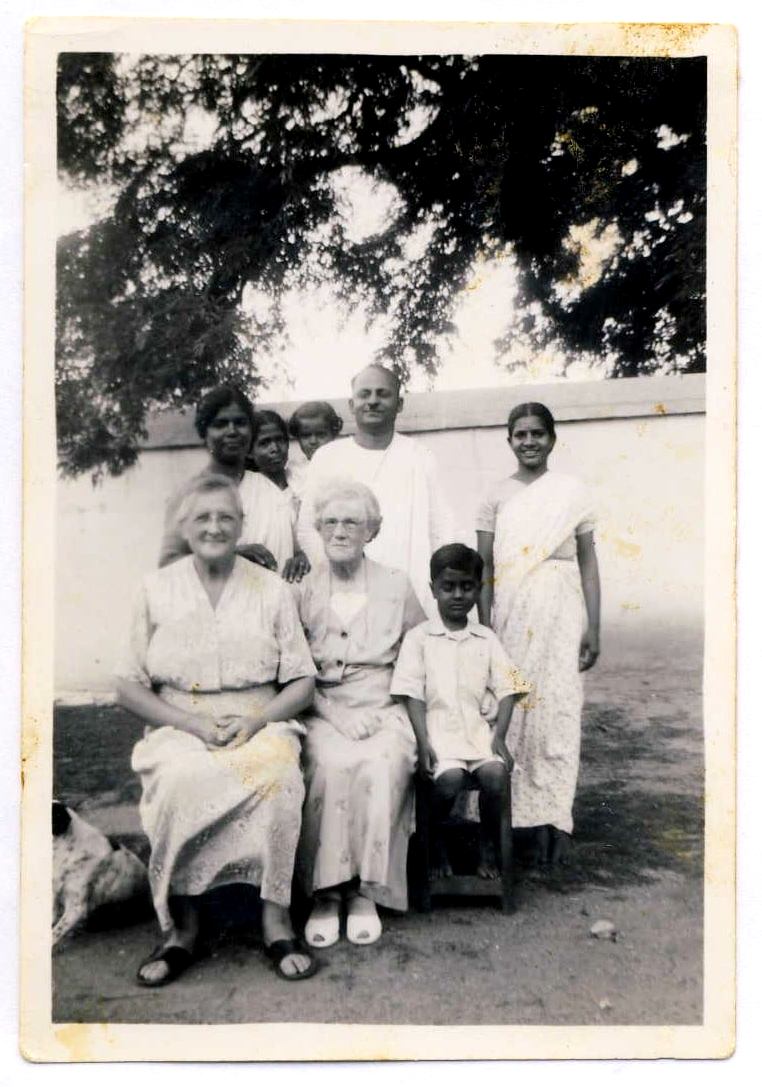
Pages from History: – Beginning of Hoskote Mission in 1947 and A Big Salute to Ms. Bagshaw.
The first missionaries (The founders – Rev. A.C.Zachariah and family and Mr. M.T.Joseph and family) of the present Hoskote Misson Medical Centre reached Hoskote on 27 June 1947. The Cubbon Park Prayer fellowship of the Bangalore Mar Thoma Paresh provided them the necessary help. The missionaries were whole heartedly welcomed by the Brethren Mission Church which had an orphanage “House of Praise “ in Hoskote town. The head of the Orphanage, Miss. Bagshaw and her staff in true Christian spirit accommodated the new mission workers with them in the House of Praise for about six months till they found their own rented houses in the town.
The early years of Ashram living was really tough. There was no regular income but survival was the main concern, to convert the hard ground to grow crops, it took, years of toil, sweat and hard work. The only answer was hard physical labour to make their living. Both families joined hand in hand, they were of one heart and mind, they felt that what they owned was not their own; they shared everything they had.
The first kind offer from the local community was to fetch drinking water from the Panchayat President’s residence. (Shri. Chenna byre Gowder). Thanks to this friendly family in God’s providence for their kindness.
The second offer was to buy the 9 acres of land for the Christa Sakshya Sangha work. Thus the land, where the present Headquarters of the Mission is situated, was bought in 1951-52 for a price less than Rs. 5000.
In the year 1953 Alexander Mar Theophilus Thirumeni (later the Head of the Mar Thoma Church – Rt. Rev. Alexander Mar Thoma Metropolitan) collected the funds for the construction of two mission quarters, a chapel building and a camp shed The two families shifted their residences from rented houses in the town to their own houses in the Mission Compound.
Hoskote Mission History – Abraham and Sara
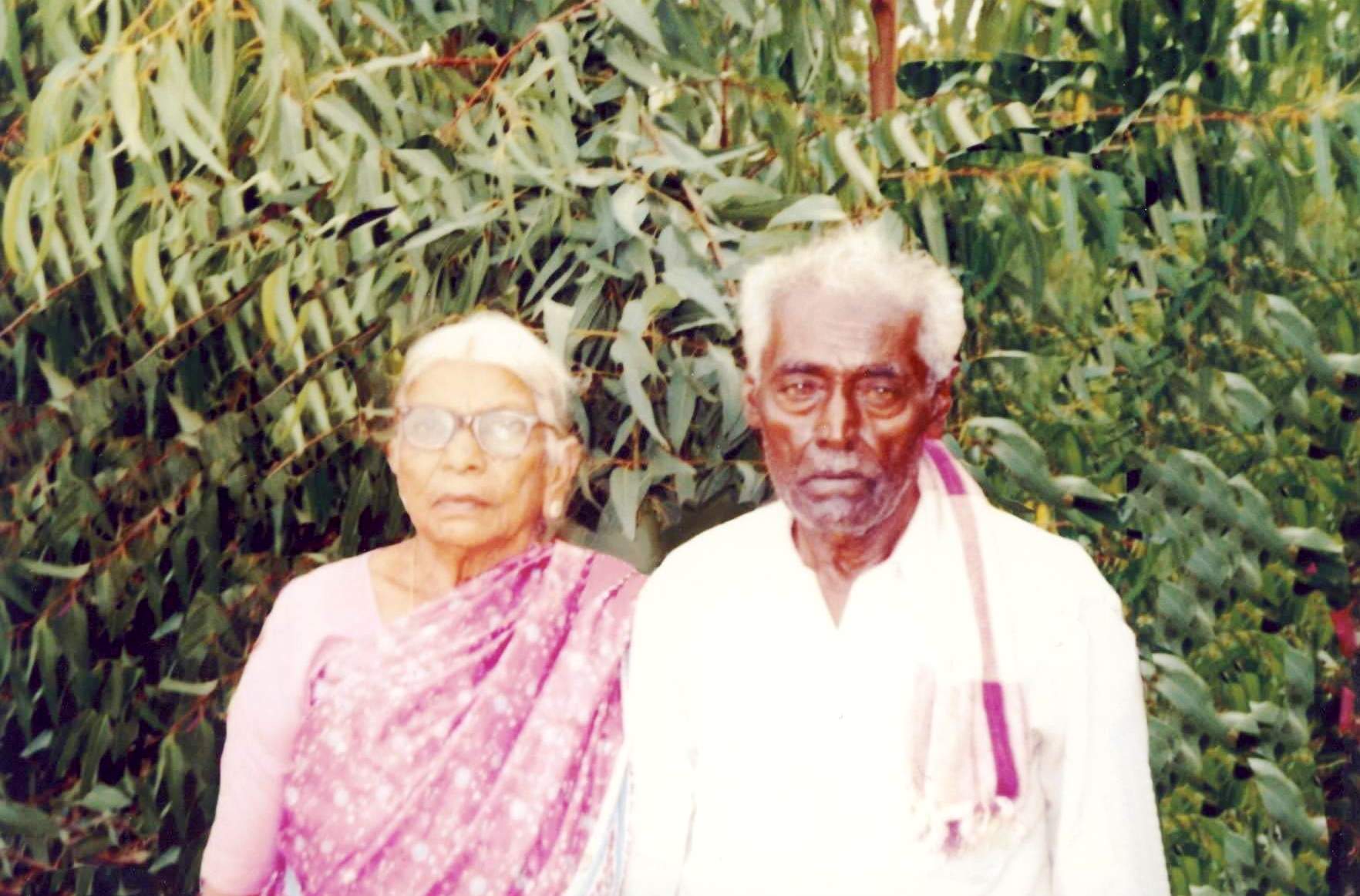
Pages from History:
First Fruits of the Hoskote Mission – Abraham and Sara
Even though the missionaries earned the love and respect of many people in the town and surrounding villages through their life and testimony, people were very hesitant to join the new faith. The first one who joined the fellowship of the Church through baptism was a young man from Hoskote who received the Christian name Mathai. Narasimha and his wife, Rethnamma, were residents of the Gonakhanahally village. Rethnamma came into contact with the ladies’ team at Jedigenahally and became a Christian and accepted the Christian name Saramma. Later Narasimha was also baptized and received the name Abraham. Both of them were active members of the mission. Their tombs in Ghonakhanahlly village stand as a witness to their faith,


 Nalloor Library