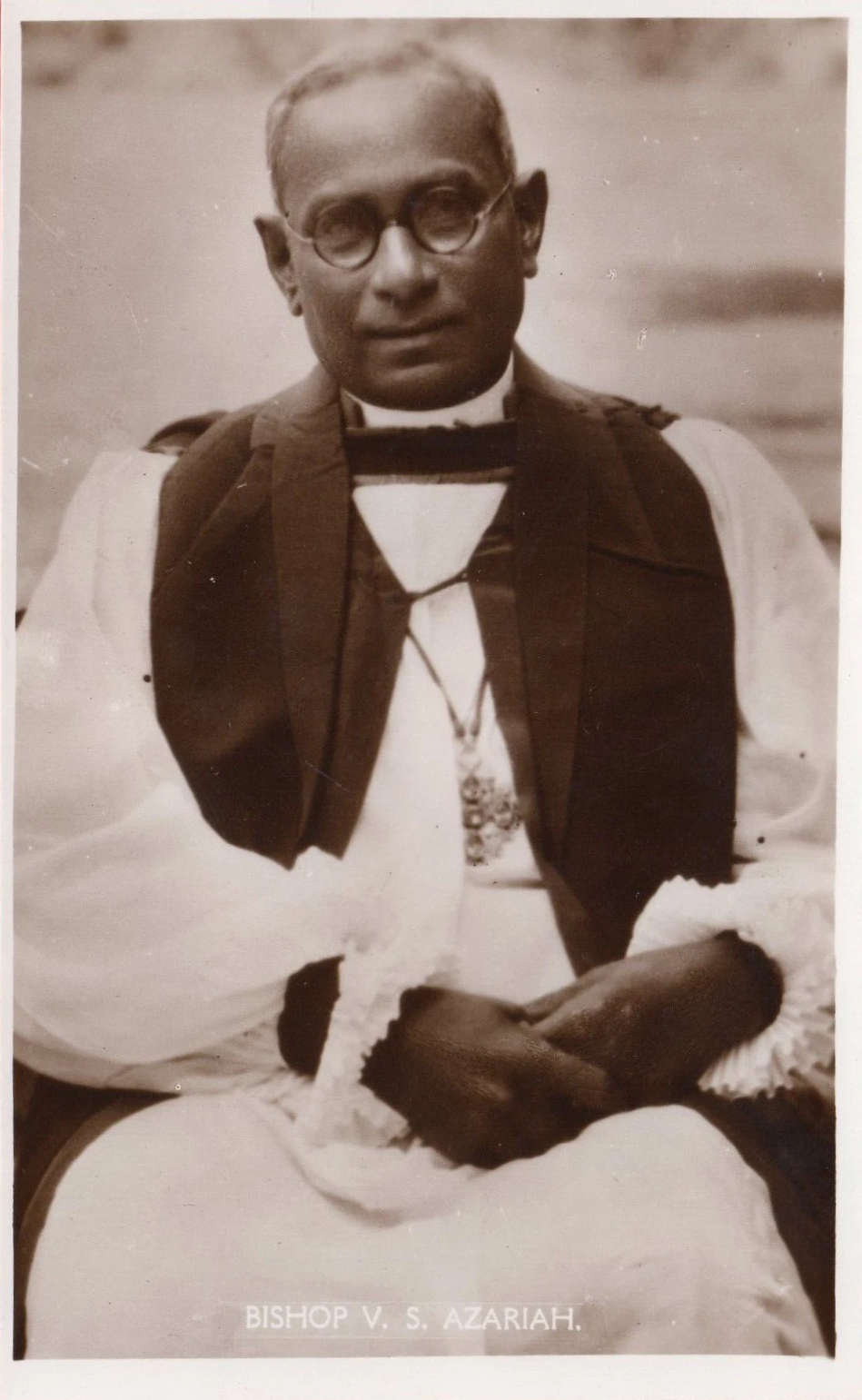
12 December, 1912: Consecration of Bishop V. S. Azariah.
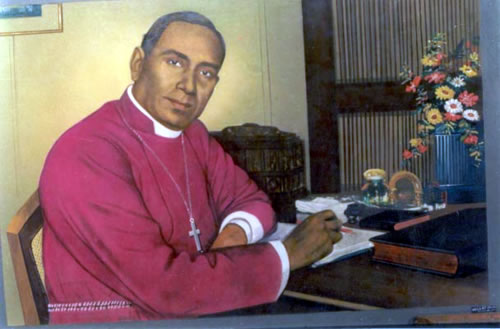
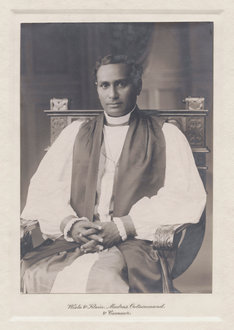
Rev. Vedanayagam Samuel Azariah was consecrated as the first Indian Bishop of the Church in India (Anglican Church) on 12 Dec 1912, in the St. Paul’s Cathedral in Calcutta. Most Rev. Dr. Copleston, assisted by ten other bishops, conducted the consecration ceremony.
First Indian bishop of the Anglican Church in India
The first Indian bishop of the Anglican Church in India, Vedanayagam Samuel Azariah was born in 1874 in a small village in Andhra Pradesh, the son of Thomas Vedanayagam, an Anglican priest, and Ellen, a woman with a deep love and understanding of the Holy Scriptures. Samuel became a YMCA evangelist at nineteen and secretary of the organization throughout South India only a few years later. He saw that, for the Church in India to grow and to bring ordinary Indians to Jesus Christ, it had to have indigenous leadership.
He helped to create the Tinnevelly-based Indian Missionary Society in 1903, and was a co-founder of the National Missionary Society of India, an all-India, Indian-led agency founded in December 1905.
At the age of thirty-five he was ordained to the presbyterate, and three years later (December, 1912) he was consecrated as the first bishop of the new Diocese of Dornakal, with eleven bishops of the Anglican Church in India participating in the liturgy at St Paul’s Cathedral in Calcutta. Bishop Azariah was the first Indian to be consecrated a bishop in the Churches of the Anglican Communion. Bishop Azariah died on January 1, 1945, two years before the inauguration of the united Church of South India (CSI).
The Bishop and the Blessing: A Story from the Life of Vedanayagam Samuel Azariah:
Bishop Vedanayagam Samuel Azariah, accompanied by the Archbishop of Canterbury Robert Runcie, visited a small village in his diocese. As they approached, an elderly woman emerged from her humble dwelling. She had never seen a white Archbishop before, and was struck by the sight of this important figure arriving in a grand car with a police escort.
To everyone’s surprise, Archbishop Runcie bowed before the elderly villager. Without hesitation, the woman placed her hands on his head and offered a blessing. Moved by this unexpected act of faith, the Archbishop was overcome with emotion . “Nobody has ever done this to me,” Runcie said, tears in his eyes. “I have laid my hands on many people. But this mother has laid her hands on me.”
This simple yet profound moment exemplified Bishop Azariah’s lifelong mission – to cultivate an indigenous Indian church where the faith of ordinary people could flourish. It revealed the deep spirituality he nurtured among his flock, where even the humblest villager felt empowered to bless an Archbishop. The incident also highlighted Azariah’s ability to bridge cultures, bringing together a high-ranking English cleric and a poor Indian woman in a touching display of mutual respect and shared faith.
Azariah had two great priorities in his work: evangelism and the desire for Christian unity.
He understood evangelism to be the acid test of Christianity. When asked what he would preach about in a village that had never heard of Christ, Azariah answered without hesitation: ‘The resurrection.’ From a convert he demanded full acceptance of Christianity which would include baptism and which could therefore include separation from family and caste. He claimed that Christianity took its origin in the death and resurrection of Jesus Christ and the outburst of supernatural power that this society manifested in the world.
Azariah recognised that because four-fifths of Indian people live in villages, for the Church to be an indigenous one it must be a rural Church. He was constantly in the villages, inspiring and guiding the teachers, clergy and congregations. He blamed the missionaries for not training people in evangelism, and thought their teaching had been mission centred instead of Church centred, and he pleaded with missionaries to build up the Indian Church. Much of the Christian outreach in his area was among the outcast people. Gradually as Christianity spread amongst the villages, the social situation began to change, the Christian outcasts gaining a new self-respect as they realised their worth in the eyes of God.
Azariah considered that one of the factors that hampered evangelism, and possibly the deepening of the spiritual life of the convert, was the western appearance of the Church in both its buildings and its services. As early as 1912 he had visions of a cathedral for the diocese to be built in the eastern style, where all Christians could feel spiritually at home regardless of their religious background and race. Building was delayed because of the Great War in Europe, but finally his dream was realised when the Cathedral Church of The Most Glorious Epiphanywas consecrated on January 6, 1936. The building is a beautiful structure embodying ideas from Christian, Hindu and Moslem architecture. Its dignity and spaciousness create a very different effect from that of the nineteenth and twentieth century Gothic churches and furnishings scattered elsewhere in India.
If evangelisation of India was Azariah’s first priority, the second was that of Church unity. He was the two as interrelated. He believed that a united Church was in accordance with the will of God, ‘that we may all be one’, and he also believed that a United Church would be more effective for evangelism. Addressing the Lambeth Conference in 1930 he pleaded:
“In India we wonder if you have sufficiently contemplated the grievous sin of perpetuating your divisions and denominational bitterness in these your daughter churches. We want you to take us seriously when we say that the problem of union is one of life and death. Do not, we plead with you, do not give us your aid to keep us separate, but lead us to union so that you and we may go forward together and fulfil the prayer, ‘That we may all be one.’”
Bishop Samuel is commemorated in the sanctoral calendars of the Anglican Church in North America and the Church of England on January 2.
The guest house of the National Council of Churches in India at their Nagpur headquarters is known as Azariah House in memory of the Bishop.
We remember the life of Bishop Easow Mar Timotheos, whose ministry and legacy continues inspire younger generations in the Mar Thoma Church today. He will be remembered for his earnest service, prayerful nature and genuine care for his people. Even after becoming a bishop, Timotheos thirumeni sat with the common people on the floor, while attending prayer meetings.
25 November, 1932: Birth of Bishop Easow Mar Timotheos (d.11 Apr.1988). Bishop Easow Mar Timotheos was a member of Valiyaparampil Family of Thonniyamala near Pathanamthitta. He was a permanent member of our Sihora Ashram from 1951-to 1972.
He became deacon on 15 Oct. 1961; priest on 4 March 1962, Ramban on 11 January 1975 and Bishop on 8 Feb 1975. His life of prayer and deep spiritual experience were his special characteristics. He was deeply interested in the rural development activities. Being also in charge of the parishes in the Arabian Gulf area, he raised funds from there for the development of Malabar area. He passed away in 1988 while visiting our parishes in the Andamans Islands and was buried at Tiruvalla.
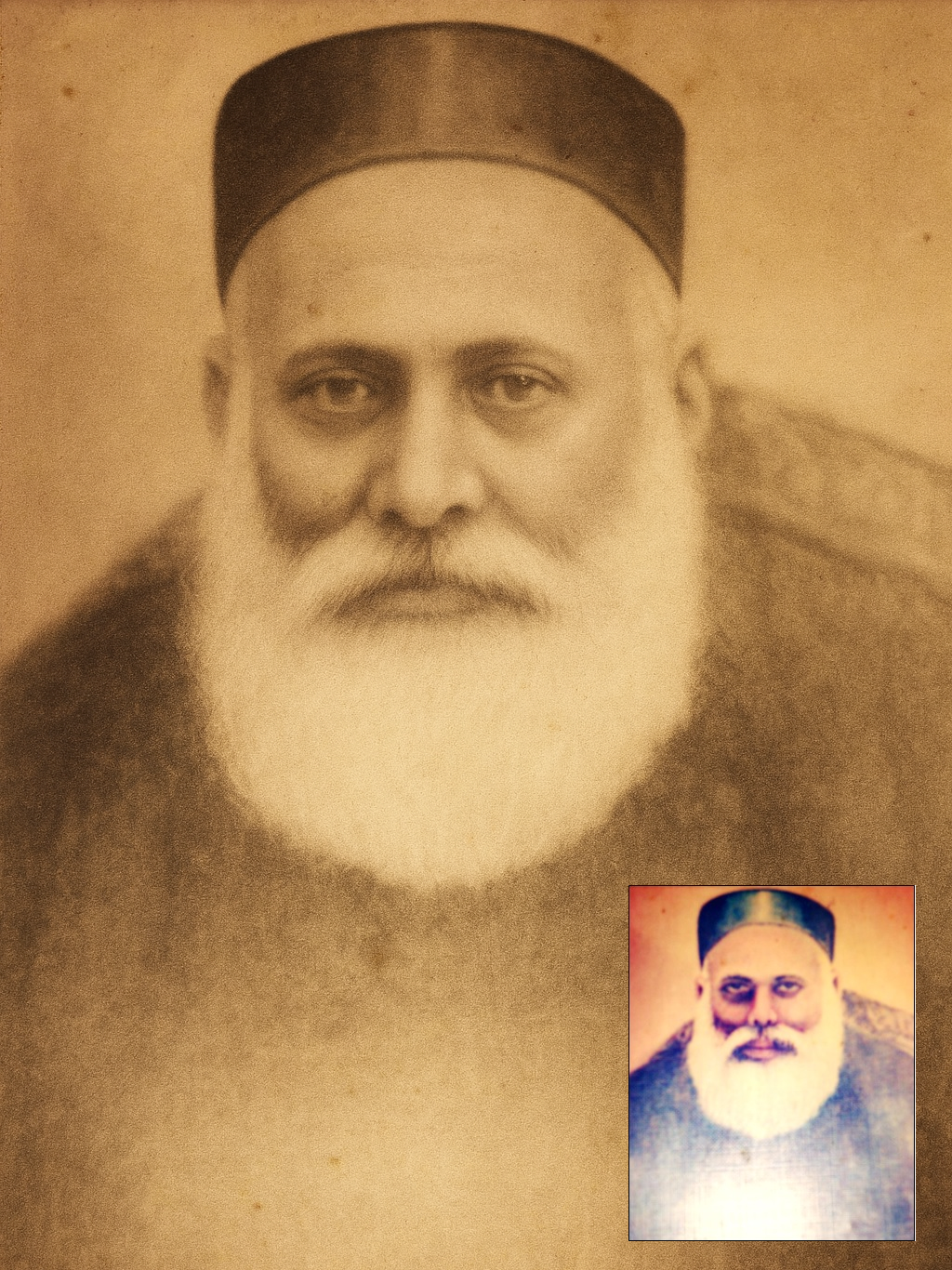
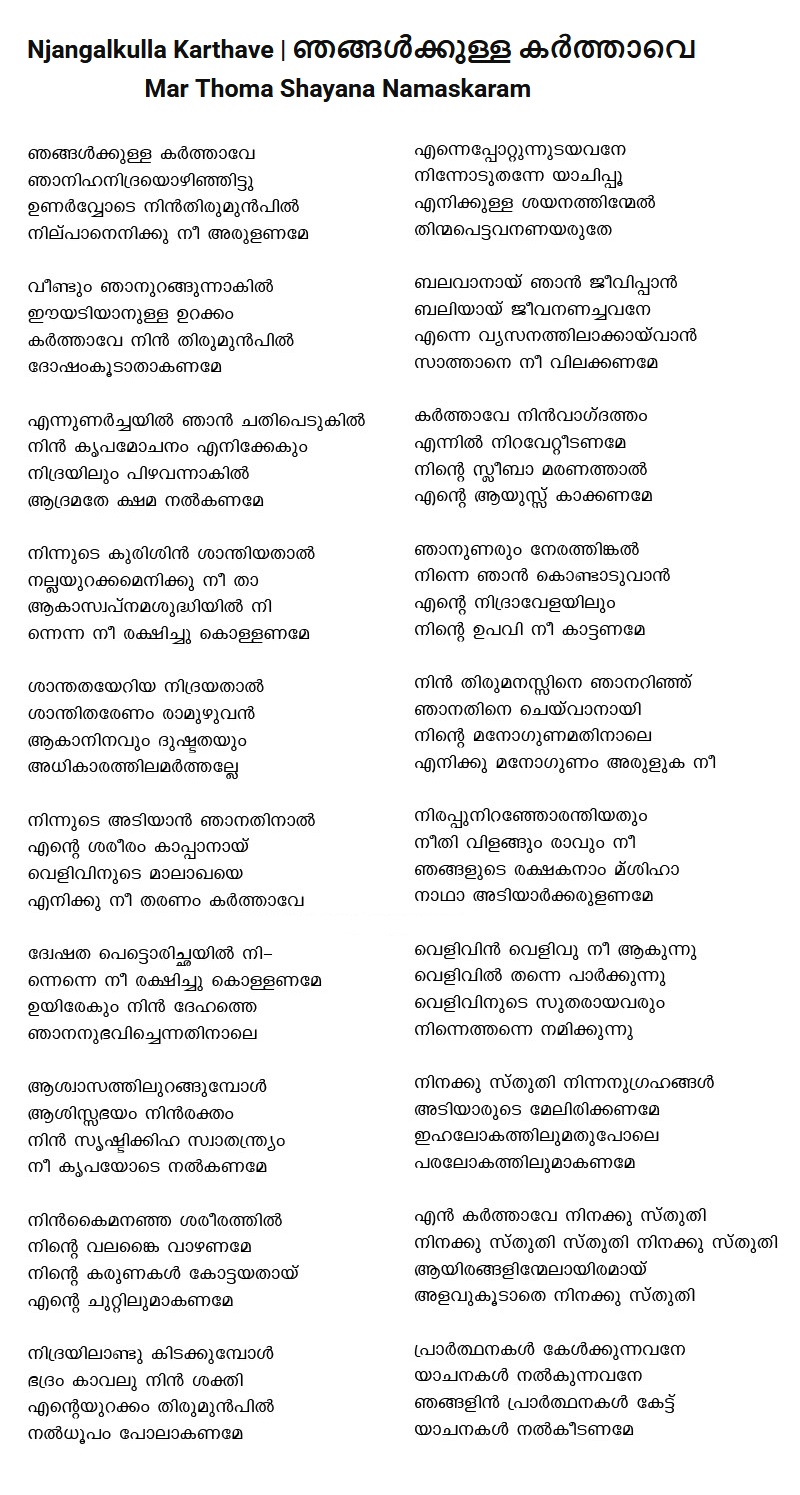
20 November, 1904: Death of Stephanos Kathanar – Author of “Shayana Namaskaram” (Mar Thoma Shayana Namaskaram).
Stephanos Kathanar (born on 14 June 1852) was a member of Kallarakkal Peedikayil family of Thazhahkkara, Mavelikkara. He became a deacon at the age of 8. He was an expert teacher of the Syrian Language.
In 1897, he established Thazhakkara Mar Thoma Church and started a library for the parish. Achen is the author of The Shayana Namaskaram– (prayer song usually sung with the evening family prayer or public worship) “njangalkullha karthave…” which is still used by many Kerala Christians. Many Malayalaee Christian groups also use it for their common evening worships during the lent season.
Stephanos Kathanar was called to his eternal home on 20 Nov 1904.
Achen’s grandson Dr. Samuel Mathai was the Vice-Chancellor of the Kerala University.
“The Mar Thoma Suvisesha Sevika Sanghom owes much to the self sacrificing work of Mrs. Kandamma Varghese who worked untiringly as the Organizing Secretary for over 20 years, traveling far and wide, organizing branches in the parishes, doing evangelistic work among Christians, building up the work in parishes.” ~ The Mar Thoma Church, Heritage and Mission – Alexander Mar Thoma Metropolitan.
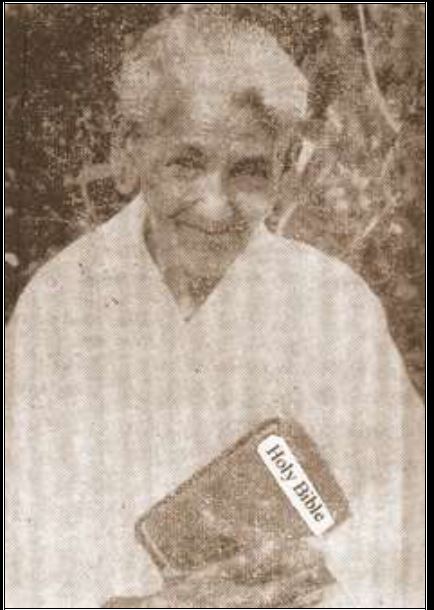
Mrs. Kandamma was a modest person in wearing jewellery. She used to request people who had more than one gold chain to donate the second one for gospel work. Due to Kandamma’s loving approach to the wife of Diwan Bhadur Dr. V. Varghese sold her ornaments and donated the money for the construction of the Salem Orphanage in Tiruvalla.
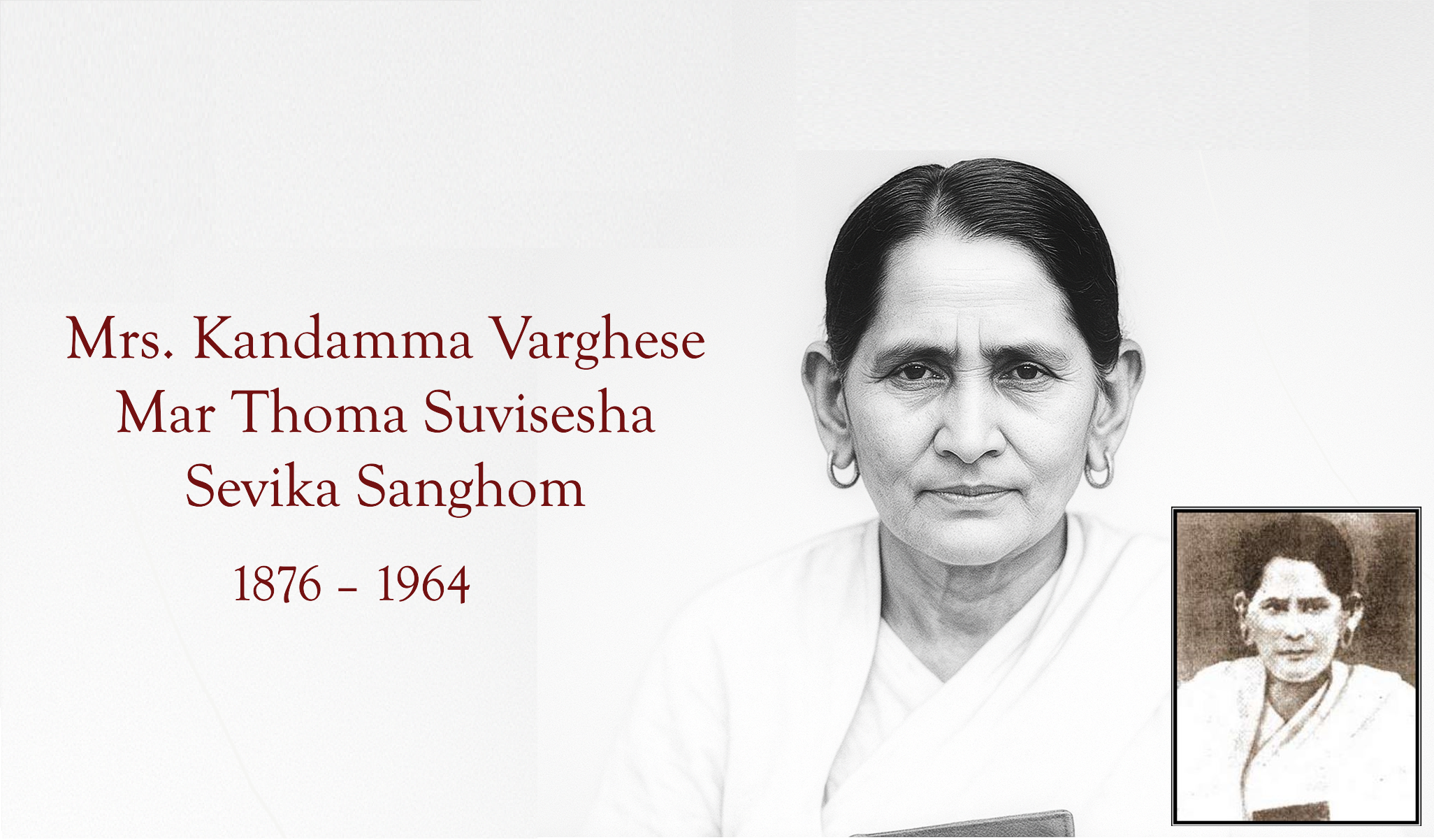
The Mar Thoma Suvisesha Sevika Sanghom was established in 1919 during the Maramon Convention, under the leadership of Abraham Mar Thoma Suffragan Metropolitan, who gave the women’s organization continuous support and inspiration. Mrs. Kandamma Varghese (born 1876), Chruthuruthiyil, Thumpamon was the first traveling, organizing secretary of the Sevika Sanghom.
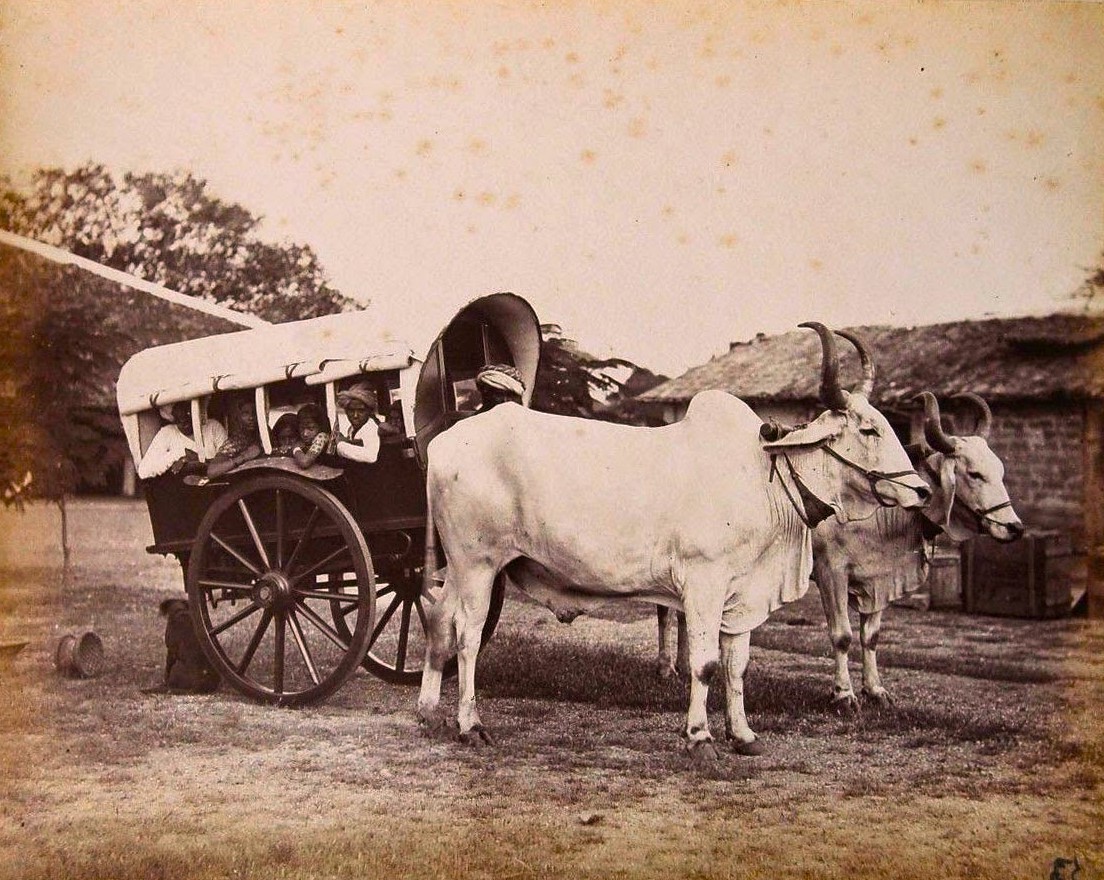
Bullock Cart transport (for illustrative purposes)
During the nearly 20 years of service she travelled far and wide to almost all corners of Travancore. In those days there were no proper roads, so she had to walk miles to her work and used bullock carts to visit distant places. One of her annual reports submitted to the Sevika Sanghom reads like this: “Visited Puthen Cavu, Kundara… (Names of so many parishes are given), etc. Conducted 101 special meetings for women, 38 meetings for girls, visited 236 Christian homes, 70 non Christian homes, personally interacted with 415 people, distributed 700 tracts, 90 gospel portions etc…”
After serving many years as a Traveling Secretary, she became the General Secretary of the Sanghom. She put a firm foundation for the smooth running of various departments of the Sevika Sanghom. When the Sanghom started the Salem Bhavanam (Orphanage) in 1923, Kandamma took up that responsibility as well. She adopted orphan children who were previously looked after by Mrs. Sosamma Eappen of Kotturethu Chengannur.
Kandamma spent her final days in Perumbavoor with her son Mr. C. V. Koshy who was the headmaster of the Ashram High school there. She was called to her eternal home on 9 November, 1964 at the age of 88. In her memory, the Mar Thoma Suvisesha Sevika Sanghom has collected a Memorial fund of Rs.15,000 (in 1964 this was a big amount) and the interest collected from this fund is still being used for the theological education of the women who are willing to do full time Gospel work.
She leaves behind a glowing legacy of her work in Kerala to inspire more young women of the church.
Mrs. Kandamma Varghese – Mar Thoma Suvisesha Sevika Sanghom
Read more details in our free pdf E-book which is also an excellent resource for Sunday Schools and church organizations.
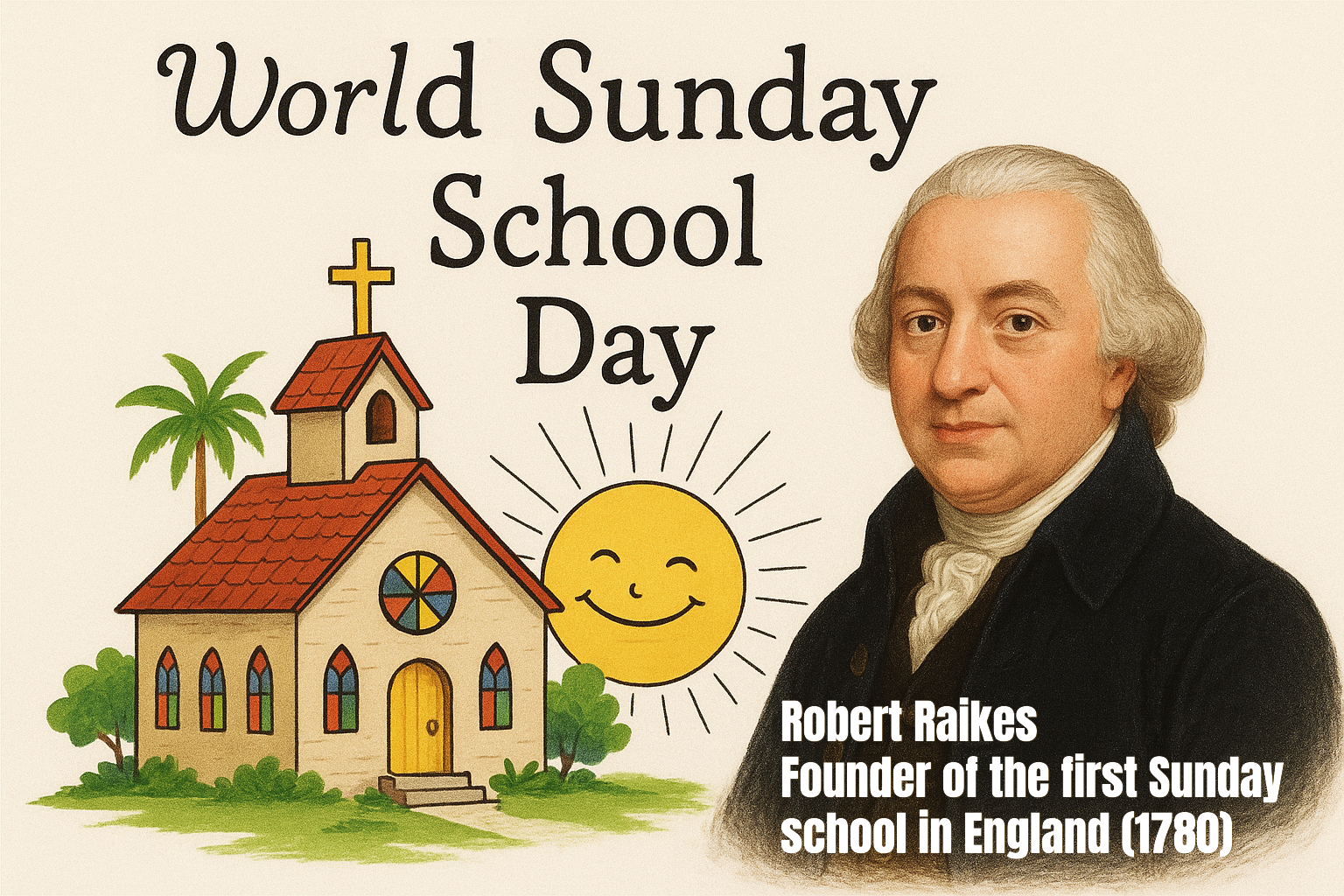
2nd November 2025 : World Sunday School Day – The first Sunday of the Month of November is celebrated throughout the world as Sunday School Day. The Mar Thoma/ CSI/ CNI churches are celebrating Sunday, 2nd November, 2025 as World Sunday School Day.
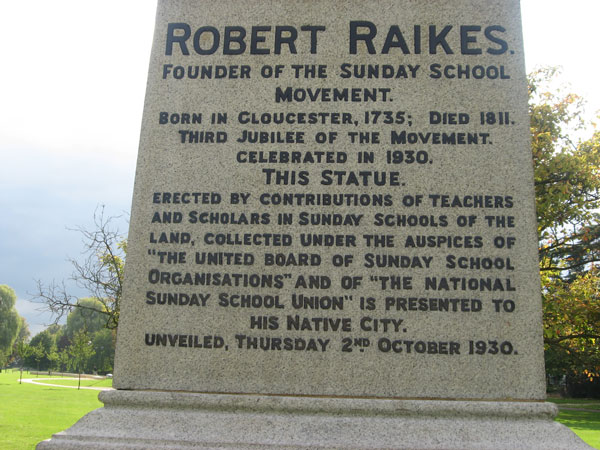
Robert Raikes (1735- 1811), an English Publisher, started the first Sunday School in the city of Gloucester in England in 1780. During the early days, reading, arithmetic and Bible was taught at the Sunday Schools.
Inscription on the tomb of Robert Raikes.
In 1809, Church representatives of the Malankara Churches held a meeting at Kandanadu Church, near Ernakualam to arrange facilities to teach children in the Church about religion, prayers and sacraments. The India Sunday School Union was founded in 1876.
The Mar Thoma Sunday School Samajam was established on 25 February 1905, at the Maramon Convention.
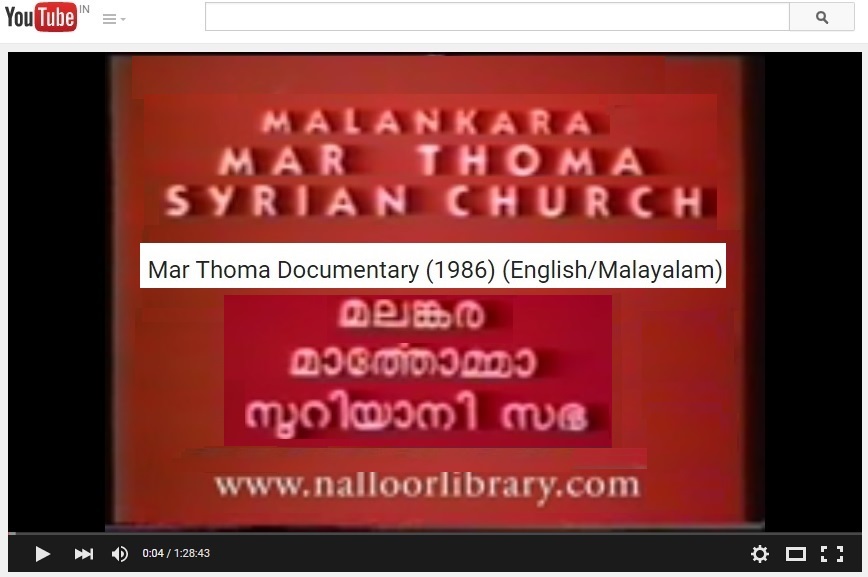
A Must Watch Special Documentary with rare footage on the Malankara Mar Thoma Syrian Church – (English/Malayalam) produced in 1986. It offers a peek into the history, rich culture and heritage of the Mar Thoma Syrian Church. A Malaysian presentation in conjunction with the 150th Anniversary of the REFORMATION in the Malankara Mar Thoma Syrian Church.
Children in Gloucester unveil statue of Robert Raikes, founder of Sunday School in 1930.
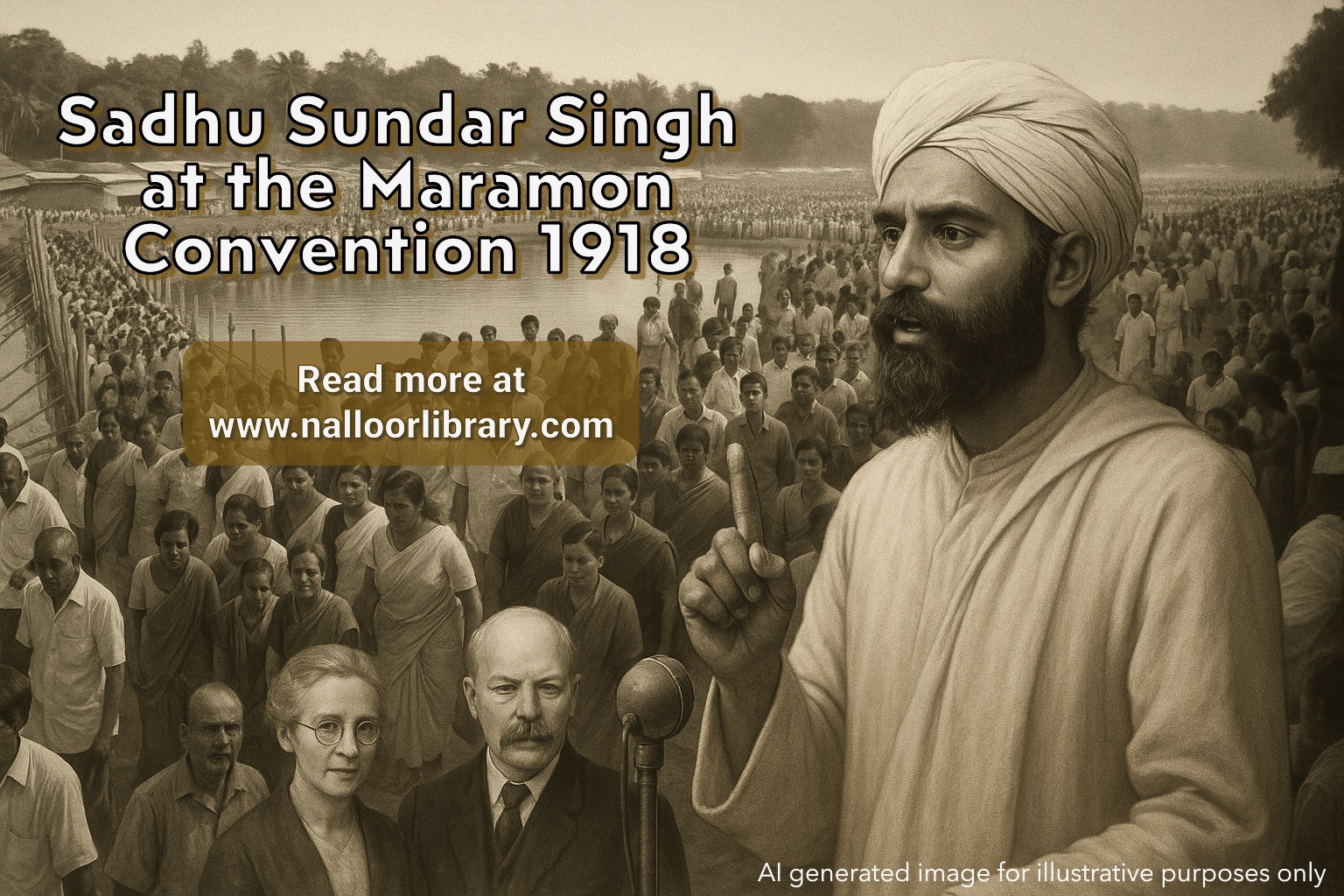
Sadhu Sundar Singh at Maramon Convention 1918. Also seen is Rev. Arthur Parker (the fourth LMS missionary in Trivandrum) and his wife Mrs. Rebecca Arthur Parker the author of the book – Sadhu Sundar Singh, Called of God (1920). (AI generated image for illustrative purpose only)
Church historians have always debated when the famed missionary Sadhu Sundar Singh visited the world renowned Maramon Convention. Many church history books mistakenly mention 1917, 1918, or 1919 or all the three years. However, Sadhu Sundar Singh came to the Maramon Convention only once in 1918.
NalloorLibrary.com presents evidence from a chapter from a book – Sadhu Sundar Singh, Called of God (1920) authored by Mrs. Rebecca Arthur Parker. It is a first hand eye-witness account of the 1918 convention through the eyes of Mrs. Rebecca Arthur Parker. She mentions in the detail the convention grounds, the number of people, the sights she saw and how 32,000 people gathered to hear Sadhu Sundar Singh at a venue built for 25000 people.
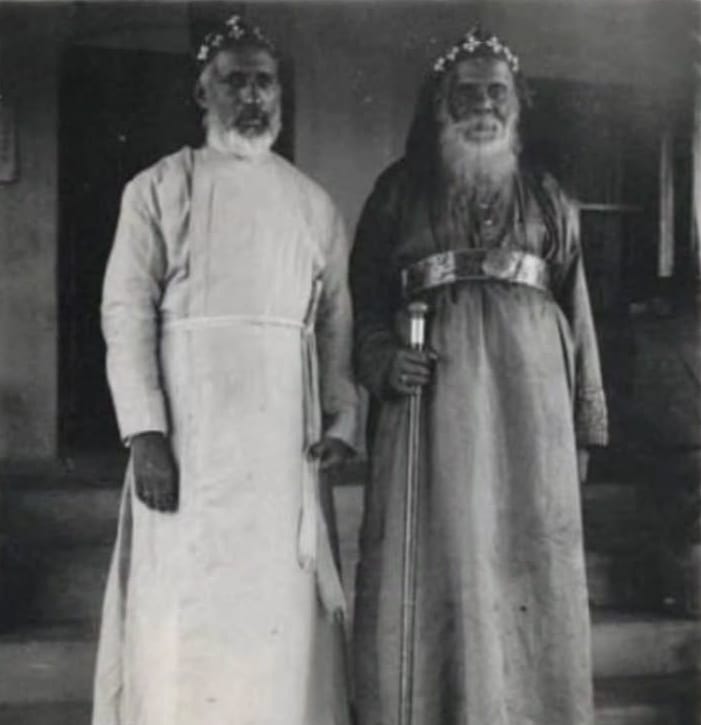
Mrs. Rebecca Parker also mentions the two Bishops of the Mar Thoma Syrian Church, who appeared daily in resplendent robes of red or purple satin with gold belts and quaint head-dresses. In 1918, the Mar Thoma Syrian Church had only two Bishops – His Grace the Most Rev. Titus II Mar Thoma Metropolitan and Suffragan Metropolitan Bishop Abraham Mar Thoma. Both bishops served tirelessly for the building up of the church.
His Grace the Most Rev. Titus II Mar Thoma Metropolitan (right) and Suffragan Metropolitan Bishop Abraham Mar Thoma (left).
His Grace the Most Rev. Titus II Mar Thoma Metropolitan He was the nephew of Titus I Metropolitan and was consecrated by him at Puthencavu St. Mary’s Church in 1898, assisted by Metropolitan Mar Koorilos of Thozhiyoor. He worked with Titus I as his Suffragan Metropolitan, and became Metropolitan in 1910. He worked vigorously for the building up of the Church.
In those days when it was difficult to travel, he visited Churches in out-of-the-way locations and organized the Parishes on organizational lines. He took measures to ensure that the Parish officials maintained the Parish account up-to-date;and he fostered various programmes of the Parishes. The Mar Thoma Sevika Sangam was organized in 1919 and the Voluntary Evangelists Association in 1925. The Mar Thoma Theological Seminary for the training of the Clergy was established at Kottayam in 1926. Bishop Abraham Mar Thoma was consecrated as Suffragan Metropolitan in 1917 and the two Bishops worked together tirelessly for the growth of the Church. Titus II Mar Thoma passed away in 1943 after being Metropolitan for 33 years.
His Grace the Most Rev. Dr. Abraham Mar Thoma Metropolitan Abraham Mar Thoma was known all over India for his burning passion for evangelism, for his zeal for spreading the Gospel through the length and breadth of India. He received theological training in India and Canada. It was during this time that the Mar Thoma Church became well known in the Western World. He was consecrated Bishop in the year 1917 and he worked relentlessly as Suffragan Metropolitan for the spiritual strengthening of the Church and for its witness. He was installed Metropolitan in 1944 when Titus II Metropolitan passed away. He was born in an illustrious Orthodox family but his father passed away when he was very young and he was brought up in his mother’s house at Eraviperoor, a home which cherished the blessings of the reformation.
He was President of the Mar Thoma Evangelistic Association and the National Missionary Society. Even though he was suffering from acute diabetes for many years, he went on working with the motto: “it is far better to burn out than to rust out”. The Abraham Mar Thoma Bible Institute established for the training of voluntary evangelists in the Church was named after him. Though he was Metropolitan only for four years, his long ministry as Bishop strengthened the Church in all its missionary enterprises. He was called to eternal home in 1947.
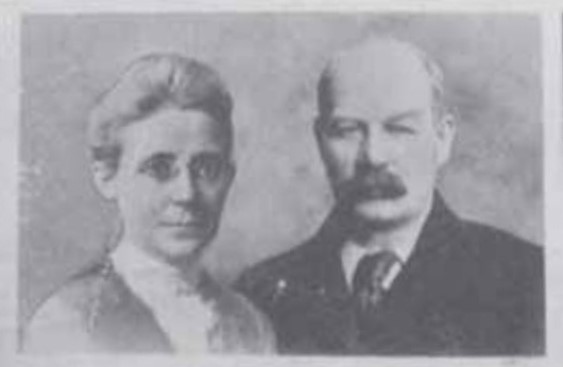
Who were the Parkers?
Rev. Arthur Parker (the fourth LMS missionary in Trivandrum) and Mrs. Rebecca Arthur Parker the author of the book – Sadhu Sundar Singh, Called of God (1920).
Rebecca Jane Parker: born, 1865; a church member in Bromsgrove, Worcestershire; married Arthur Parker (1858-1935, a London Missionary Society (LMS) missionary in South India). Working with her husband in the Trivandrum area, she ran a hostel and boarding home for Christian girls and Bible women; established an embroidery industry, employing over 1,000 Christian women.
Singh and Rebecca Parker began a correspondence from March 1918. In his letters, Singh addressed Parker as ‘my dearest Mother’ and signed off as ‘Sundar’, often as ‘your ever loving son’, and referred to Reverend Parker as ‘Father’. Parker, born in 1865, is described as adoptive mother to Singh in the LMS Archives, and she was certainly an older, benevolent figure who looked after Singh, who had no mother of his own. Singh came to fame outside of South Asia largely through the efforts of Rebecca Jane Parker, wife of Arthur Parker, members of the London Missionary Society (LMS) in Trivandrum, South India. ~ S. Mukherjee
Mrs. Parker was awarded the Kaisar-i-Hind medal by the British government for social service in 1921. She retired in 1925 and died at Leamington Spa, England, in 1946.
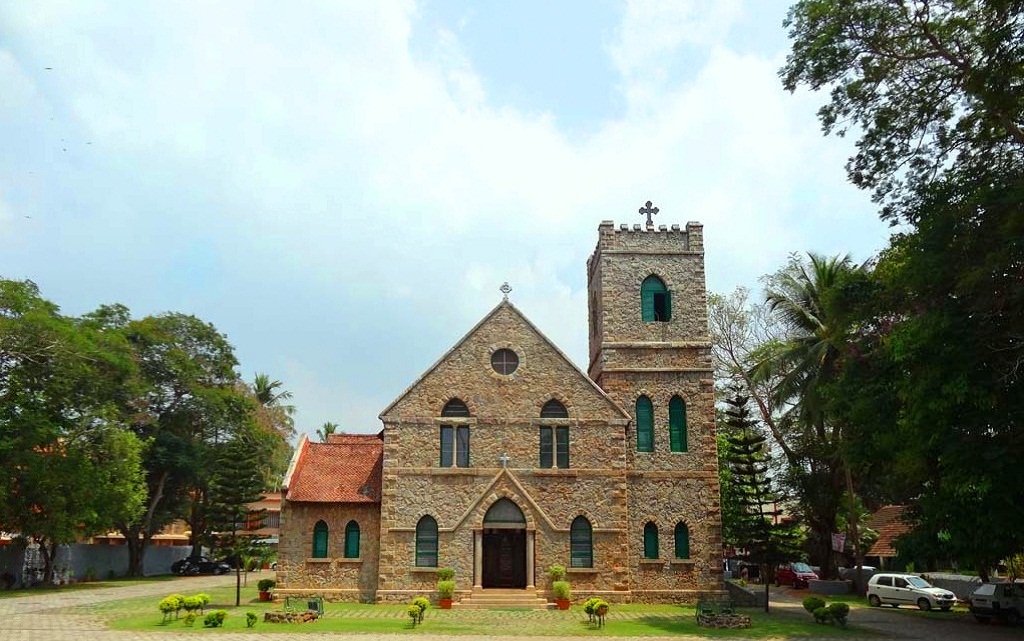
Rev. Arthur Parker took charge in 1900 as the fourth LMS missionary in Trivandrum. The construction of a new church building (Mateer Memorial Church) in the LMS Compound was undertaken in four years (1902-1906). It was dedicated on December 1, 1906 by Rev. R. W. Thompson, the Foreign Secretary of the LMS who was heading a deputation as part of the centenary of the Travancore Mission (estd. in 1806 by Ringeltaube at Mylaudy). He died on 6th December 1935. https://www.mateermemorialchurch.com/
CSI Mateer Memorial Church: A Pillar of Protestant History in Trivandrum
Located in the heart of Palayam, the CSI Mateer Memorial Church is a cornerstone of Protestant Christian heritage in Kerala. Originally founded in 1838 by the London Missionary Society (LMS), it began as a simple chapel established through the efforts of early missionaries like Rev. John Cox and local supporters.
The early congregation grew steadily under Rev. Cox, who formalized the church’s structure through a trust deed open to all Protestant Christians. Over time, it also hosted Malayalam and Tamil services, serving both the local Christian community and visiting British officials. In 1893, following the death of Rev. Samuel Mateer-an influential missionary who significantly contributed to its growth-a plan was initiated to construct a larger building in his memory. By 1906, a new church building was completed at the LMS Compound under the guidance of Rev. Arthur Parker and dedicated by Rev. R.W. Thompson.
Architecturally, the church is distinguished by its Hallenkirche-style layout, Gothic arches, granite construction, and iconic square bell tower. It was not merely a change of building but a continuation of the same community, making it a rare example of living ecclesiastical heritage. Through centuries of transitions, it remains a vital spiritual space that has shaped the religious and educational landscape of Trivandrum, closely linked with institutions like University College and the city’s early missionary schools.
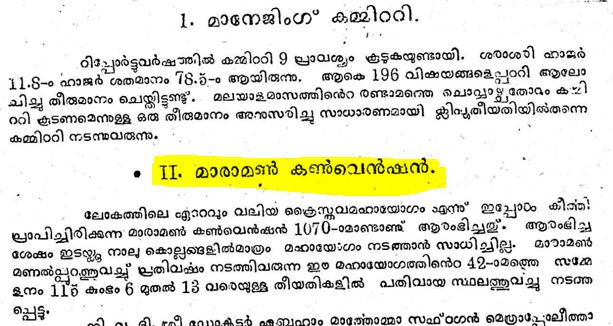
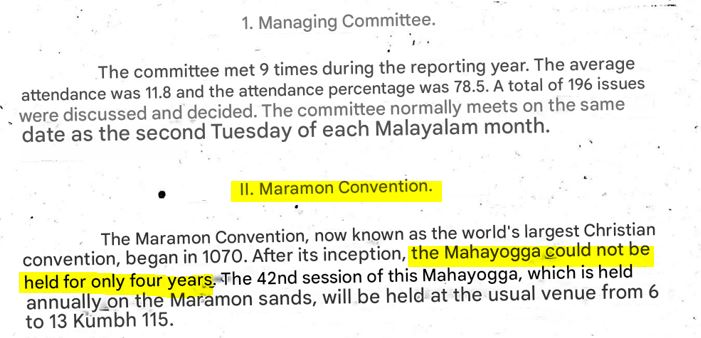
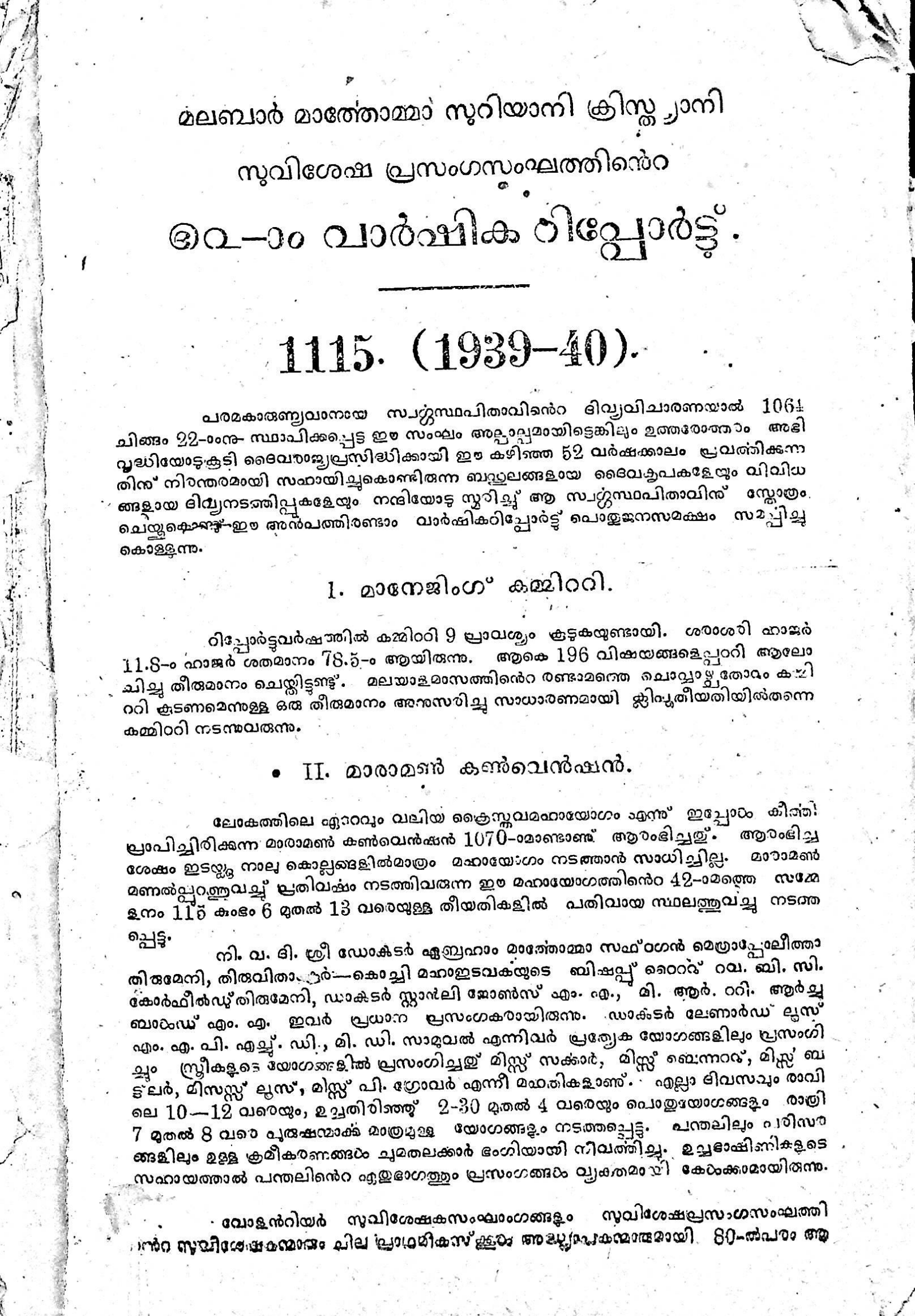
New research has uncovered a numbering error about the edition of the Maramon Convention. The world-famous Maramon Convention was first held in 1895 (Malayalam Year 1070) and has been taking place annually ever since on the sand banks of the River Pamba. The 130th Maramon Convention was held in 2025, from February 9th to 16th.
However, there is a possible error in the way the convention years have been numbered. Historical research by the Nalloor Library editorial team into the Mar Thoma Church archives have found evidence to support the fact that an error make have happened in the numbering of the Maramon Convention editions.
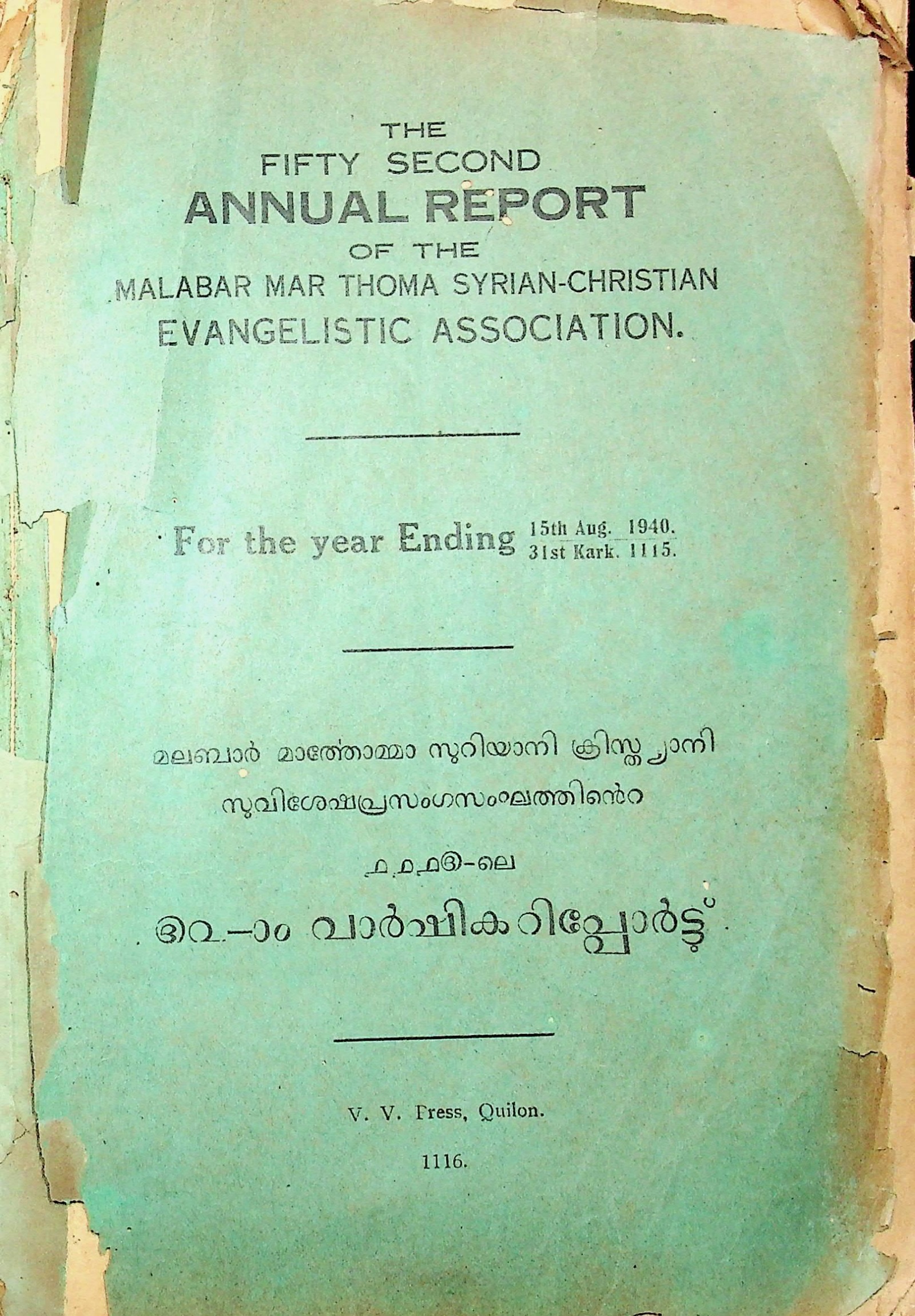
According to the Annual Report of the Mar Thoma Evangelistic Association for 1940 (Malayalam Year 1115), which is publicly available, the Maramon Convention was not held on four occasions due to various reasons. Possible, reasons could include the great flood in 1924 and World War I. A topic for future researchers in the church to follow up. The 42nd Maramon Convention took place from February 18-25, 1940 (M.E. 1115, Kumbam 6-13).
Images courtesy Mar Thoma Animation Centre
As a result, perhaps a correction needs to be made to the numbering of the 2026 Maramon Convention going forward. This post does not lay blame on any person or organization, however, it is solely to point out historical facts from the archives as given.
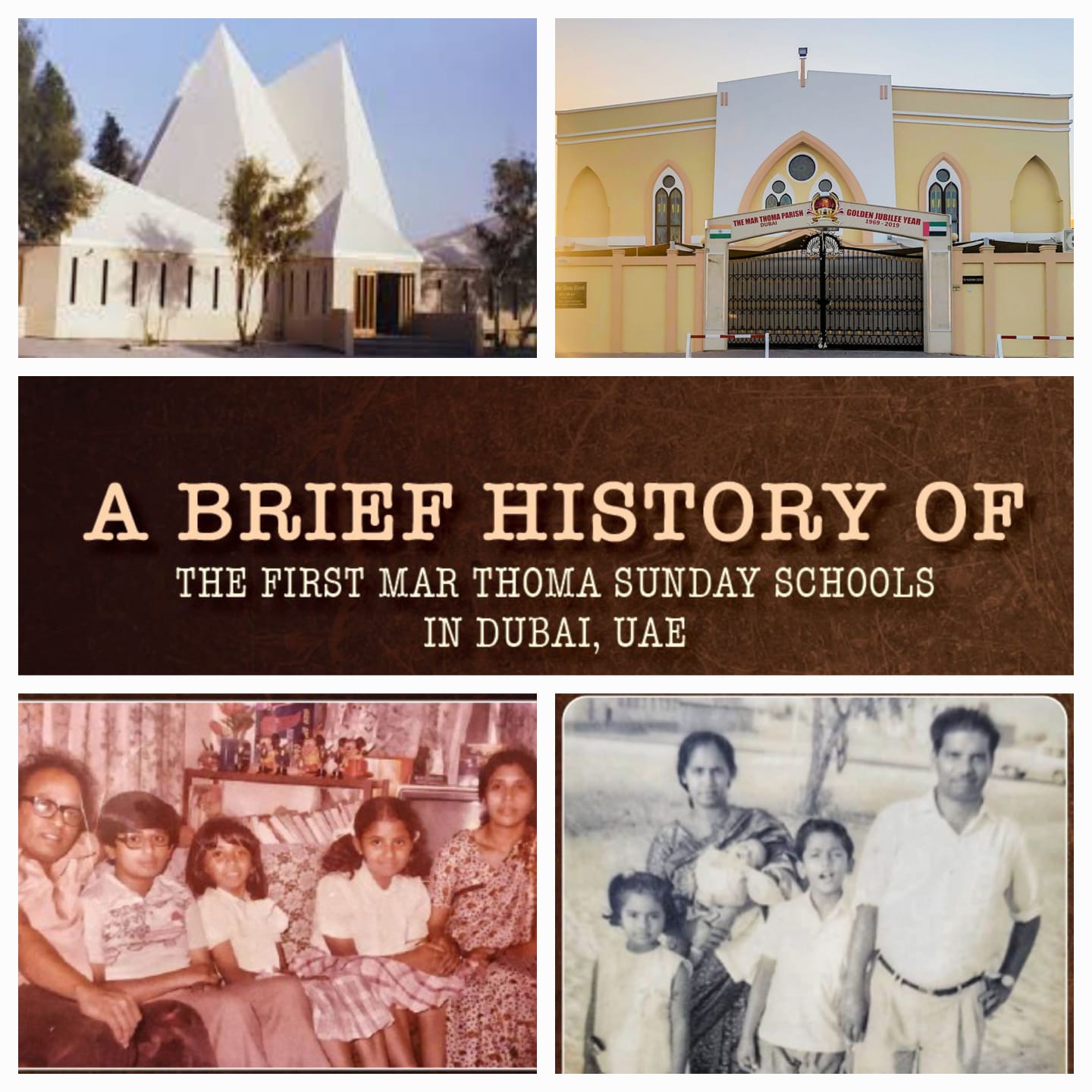
As the Mar Thoma Sunday School, Dubai Parish celebrates 50 years, read a brief history of the first Mar Thoma Sunday Schools in Dubai, UAE. The Mar Thoma Parish in Dubai was formed on 17 July 1969 and the first Holy Communion Service was held on 29 September 1969. The first Mar Thoma Sunday School in Dubai was started in 1972 in the Cola Colony, Dubai. Read more about the pioneers who selflessly devoted their time and efforts for the glory of God and the future generations of the church.
~ This article is courtesy the Golden Jubilee Souvenir published by the Mar Thoma Sunday School Dubai.
Bless the Lord, O my soul; all my inmost being, Bless His holy name. Bless the Lord, O my soul and forget not all his benefits Psalm 103:1-3
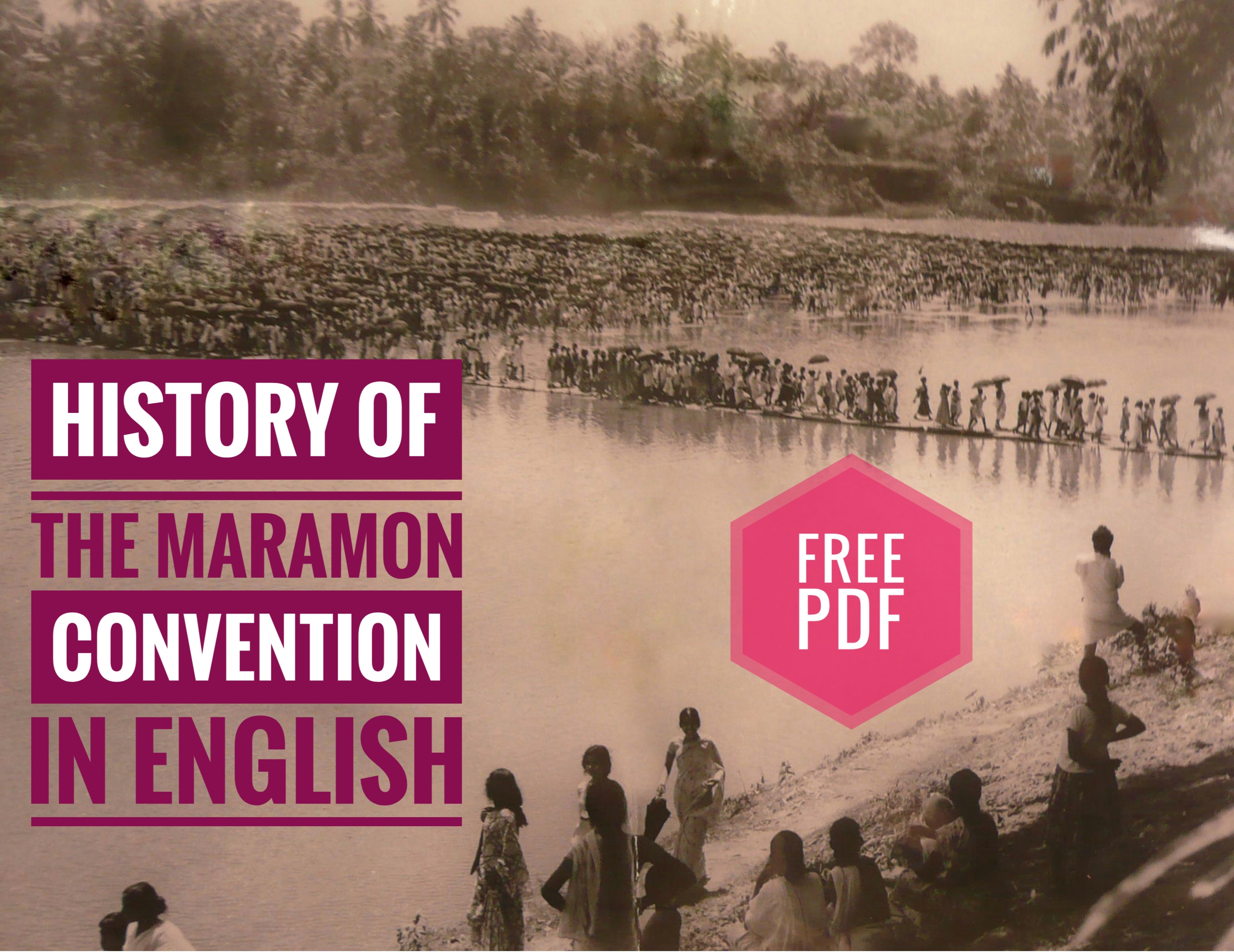
A free Malayalam PDF resource sheet for Malayalam Speaking Christians and Sunday Schools to explain facts and events chosen from the history of the Maramon Convention throughout the ages. The document contains rare photos and facts.
A big thank you to Mr. Liju Zachariah, Kattayil Graphics, Kuriannoor for the Malayalam Translation
A free English PDF resource sheet for Non- Malayalam Speaking Christians and Sunday Schools to explain facts and events chosen from the history of the Maramon Convention throughout the ages. The document contains rare photos and facts.








 Nalloor Library