20 November, 1904: Death of Stephanos Kathanar
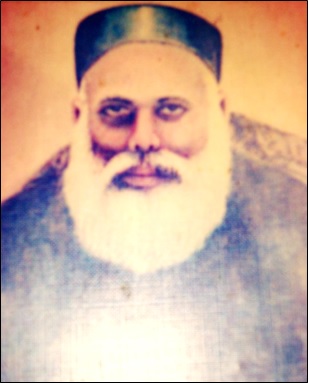
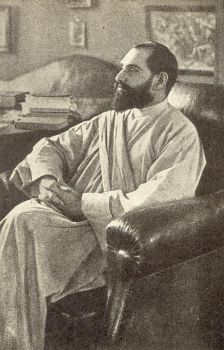
Stephanos Kathanar
20 November, 1904: Death of Stephanos Kathanar – Author of “Shayana Namaskaram”.
Stephanos Kathanar (born on 14 June 1852) was a member of Kallarakkal Peedikayil family of Thazhahkkara, Mavelikkara. He became a deacon at the age of 8. He was an expert teacher of the Syrian Language.
In 1897 he established Thazhakkara Mar Thoma Church and started a library for the parish. Achen is the author of The Shayana Namaskaram– (prayer song usually sung with the evening family prayer or public worship) “njangalkullha karthave…” which is still used by many Kerala Christians.
Achen’s grandson Dr. Samuel Mathai was the Vice-Chancellor of the Kerala University. He was called to his eternal home on 20 Nov 1904.
15 November, 1731: Birth of William Cowper (1731-1800) author of “Immanuel than chankathil…”
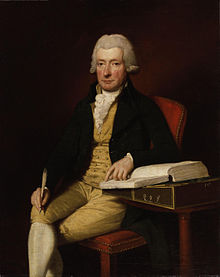
William_Cowper by Lemuel Francis Abbott (wikipedia)
15 November, 1731: Birth of William Cowper (1731-1800) author of the Hymn ‘There is a fountain filled with blood’ (‘Immanuel than chankathil…’ no.147 (138) in the Mar Thoma Church Hymn book Kristheeya Keerththanangal). The words of this hymn are immortal and will be sung as long as there are sinners upon this earth.
Cowper’s well known hymns:
- Jesus! where’er thy people meet
- The Spirit breathes upon the word
- There is a fountain, filled with blood
- Hark! my soul! it is the Lord
- To Jesus, the Crown of my hope
- Far from the world, O Lord! I flee
- My Lord! how full of sweet content (1782 translation)
- What various hindrances we meet
- Oh! for a closer walk with God
- When darkness long has veiled my mind
- ‘Tis my happiness below
- O Lord! in sorrow I resign (1782 translation)
- O Lord! my best desire fulfill
- There is a safe and secret place
- God of my life! to thee I call
14 November, 1967: Death of A.V. Mathai Kathanar, Alunilkunnathil
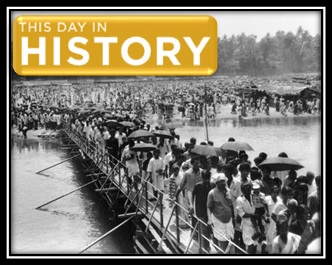
14 November, 1967: Death of A.V. Mathai Kathanar, Alunilkunnathil (b.1878) Following the footsteps of his father Kulathakkal Alunilkunnathil Geevarhsese Kathanar, he became a priest. He served Mar Thoma parishes in Kuriannoor, Kumbanad, Pullad and Maramon. He was one of the defendants along with the Metropolitan, of the Maramon Mar Thoma Church civil case which started after the reformation movement.
13 November, 1845: Birth of Chandapilla Kathanar, Thazhathu, Kottayam
13 November, 1845: Birth of Chandapilla Kathanar, Thazhathu, Kottayam (24 Jul 1931). He became a deacon at the age of 9 (1854) and a priest on 1 August 1861. For 24 years he was the vicar of the Cheriya pally in Kottayam. He was the founder of the Jerusalem Mar Thoma Church in Kottayam. Achen’s courageous stand made it possible for the consecration ceremony of Bishop Titus I Mar Thoma to be held in the Cheriya pally in Kottayam.
9 November, 1964: Mrs. Kandamma Varghese (of Mar Thoma Sevika Sanghom) passes away.
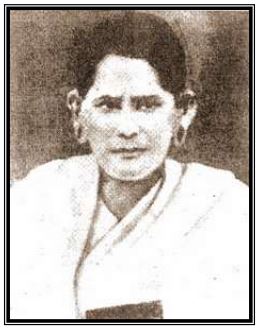
Mrs. Kandamma Varghese
9 November, 1964: Mrs. Kandamma Varghese (of Mar Thoma Sevika Sanghom) passes away.
“The Mar Thoma Suvisesha Sevika Sanghom owes much to the self sacrificing work of Mrs. Kandamma Varghese who worked untiringly as the Organizing Secretary for over 20 years, traveling far and wide, organizing branches in the parishes, doing evangelistic work among Christians and non Christians, and building up the work in parishes.” ~ The Mar Thoma Church, Heritage and Mission – Alexander Mar Thoma Metropolitan.
Mrs. Kandamma was a modest person in wearing jewellery. She used to request people who had more than one gold chain to donate the second one for gospel work. Due to Kandamma’s loving approach to the wife of Diwan Bhadur Dr. V. Varghese sold her ornaments and donated the money for the construction of the Salem Orphanage in Tiruvalla.
Kandamma spent her final days in Perumbavoor with her son Mr. C. V. Koshy who was the headmaster of the Ashram High school there. When she died on 9 Nov, 1964, at the age of 88, she left behind a glowing legacy of her work in Kerala.
Read more in our free pdf E-book which is also an excellent resource for Sunday Schools and church organizations.


8 Nov 2015: CSI, CNI and Mar Thoma Church celebrate “Festival of Unity of Communion of Churches in India (CCI) CSI- CNI-MTC”
On 8 November, 2015, Sunday: the CSI, CNI and Mar Thoma Churches will celebrate this Sunday as the ‘”Festival of Unity of Communion of Churches in India (CCI) CSI- CNI-MTC”‘.
The Communion of Churches in India (CCI) has been constituted as the visible organ for common expression of the life and witness by the founding Churches, the Church of North India (CNI), the Church of South India (CSI) and the Mar Thoma Syrian Church (MTC) which recognise themselves as belonging to the one Church of Jesus Christ in India, even while remaining as autonomous churches, each having its own identity of traditions and organizational structures. “The Communion” invites other Churches in India to enter into full communion with the member churches separately and join “The Communion”.
2 November, 1942: The first workers of Sihora Ashram start from Kottarakkara.
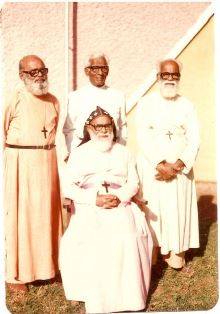
Founders of the Sihora Ashram with Most Rev. Alexander Mar Thoma Metropolitan.
On the morning of 2 November 1942 a huge crowd under the leadership of the Bishop Juhanon Mar Timotheos gathered under a tree on the eastern side of the Kottarakkara railway Station and gave a sensational send off to Rev. K.T. Thomas, Karimparampil.Anaprampal), Mr. John Varghese (Valethu Thoppil, Puthencauv), and Mr. M. P. Mathew (Mavelil, Kaviyoor), the founder members of the Christa Panthi Ashram.
After visiting various north Indian cities, they finally reached Sihora on 13 September 1943 and started the Ashram. Our bishop The Late Rt. Rev .Easow Mar Timotheos was a memberof this ashram for 22 years.
For more Mission field stories vist :-www.nalloorlibrary.com;
World Sunday School Day: 1st November 2015 (Free Ebook – Robert Raikes and how we got Sunday School)
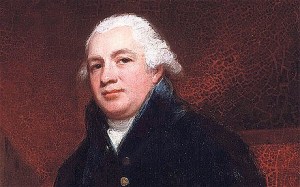
George Romney’s portrait of Robert Raikes, the newspaperman who popularised schooling on Sundays Photo: National Portrait Gallery, London
1st November 2015 : World Sunday School Day – The first Sunday of the Month of November is celebrated throughout the world as Sunday School Day. The Mar Thoma/ CSI/ CNI churches are celebrating Sunday, 1st November, 2015 as World Sunday School Day.
Robert Raikes (1735- 1811), an English Publisher, started the first Sunday School in the city of Gloucester in England in 1780. During the early days, reading, arithmetic and Bible was taught at the Sunday Schools.
In 1809, Church representatives of the Malankara Churches held a meeting at Kandanadu Church, near Ernakualam to arrange facilities to teach children in the Church about religion, prayers and sacraments. The India Sunday School Union was founded in 1876.The Mar Thoma Sunday School Samajam was established on 25 February 1905, at the Maramon Convention.
We encourage our readers to read and share this Free 4 page PDF Ebook Resource for your Sunday Schools and children’s services: Robert Raikes and How We Got Sunday School
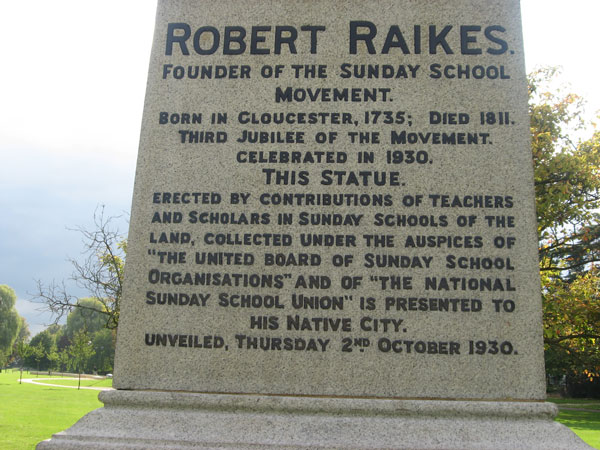
Inscription on the tomb of Robert Raikes.
27 September, 1947: Formation of Church of South India (with Rare Photos)
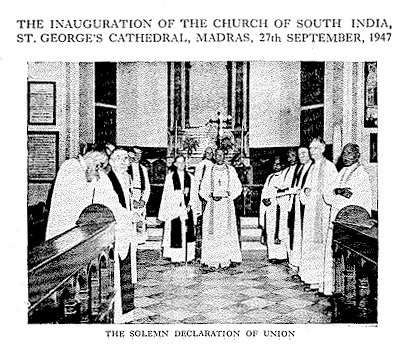
Photo credit: http://www.csisynod.com
27 September, 1947: Formation of Church of South India (CSI) in 1947, as a union of Anglican, Presbyterian, Congregationalist and Methodist churches. The idea of a Church union was proposed in 1919 at a conference held in Tranquebar (now Tarangambadi) in 1919. After 28 years of discussions various denominational churches in South India established by different Missionary societies agreed to the formation of the Church of South India in 1947 after India attained independence. The inaugural ceremony was held at St. George Cathedral Madras (Chennai).
Today the Church of South India is one of the largest Protestant churches in India and is a member of the Anglican Communion and its bishops participate in the Lambeth Conferences. It is also a member of the World Council of Churches, the World Alliance of Reformed Churches, and the National Council of Churches in India.
The Church of South India (CSI), Church of North India (CNI), and Malankara Mar Thoma Syrian Church of India jointly formed the Communion of Churches in India (CCI) in 1978 for mutual recognition of the ministry and leaders, inter communal relationship, and to explore possibilities of working together and other areas of cooperation in the fulfillment of the mission of the Church in India.
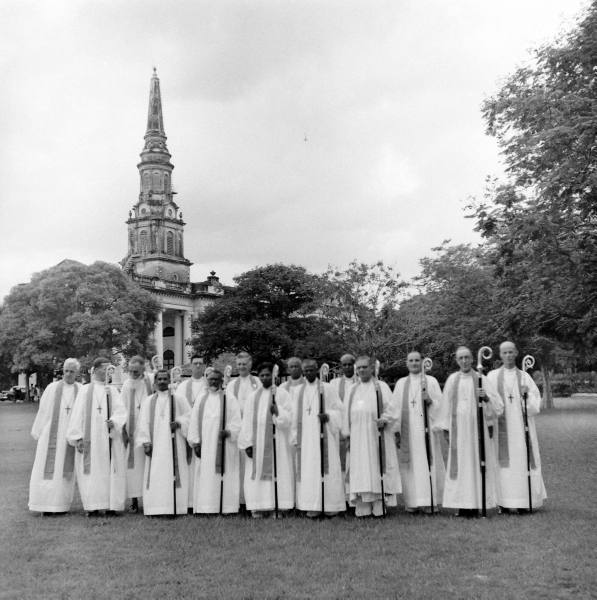
At the inauguration of Church of South India. Photo by Mark Kauffman (LIFE magazine)
The presiding bishop of the inaugural function was the Rt. Revd. C. K. Jacob of the Anglican Diocese of Travancore and Cochin. A vast congregation gathered in the cathedral at Madras from all over the world. The following historical declaration was made by Bishop Jacob at the inaugural service.
“Dearly beloved brethren, in obedience to the Lord Jesus Christ the head of the church, who on the night of his passion prayed that his disciples might be one, and by authority of the governing bodies of the uniting churches whose resolutions have been read in your hearing and laid in your prayer before Almighty God; I do hereby declare that these three churches, namely – the Madras, Madura, Malabar, Jaffna, Kannada, Telugu, Travancore Church councils of the South India United Church; the Methodist Church of South India, Trichinopoly, Hyderabad and Mysore districts; the Madras, Travancore and Cochin, Tinnevelly and Dornakal dioceses of the Churches of India, Burma and Ceylon; are become one Church of South India, and these bishops, presbyters, deacons and probationers who have assented to the basis of union and accepted the constitution of the Church of South India, whose names are laid upon this holy table, are bishops, presbyters and deacons of this church. In the name of the Father, and the Son, and the Holy Spirit, Amen.” ~ wikipedia

Inauguration procession of Church of South India. Photo by Mark Kauffman (LIFE magazine)
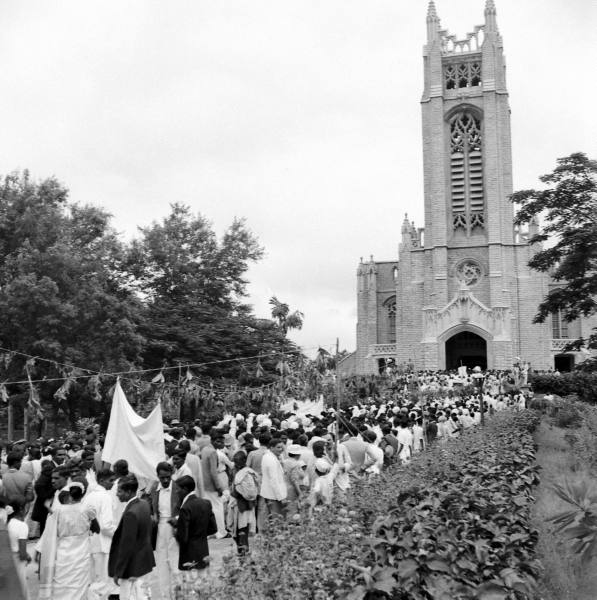
Inauguration procession of Church of South India. Photo by Mark Kauffman (LIFE magazine)
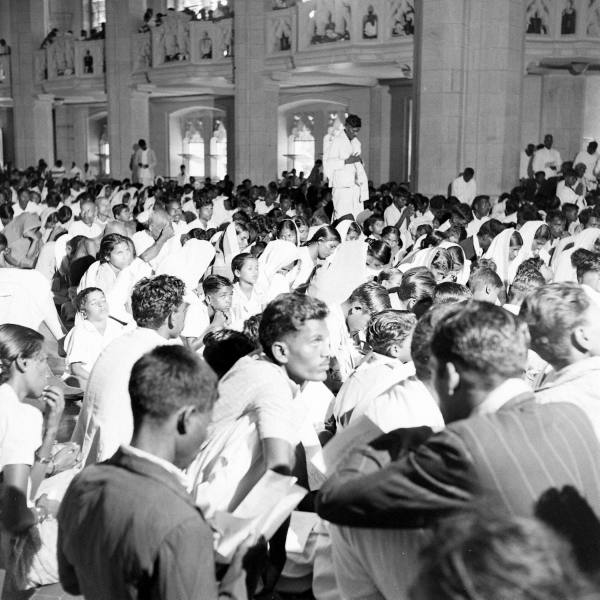
Inauguration service of Church of South India. Photo by Mark Kauffman (LIFE magazine)
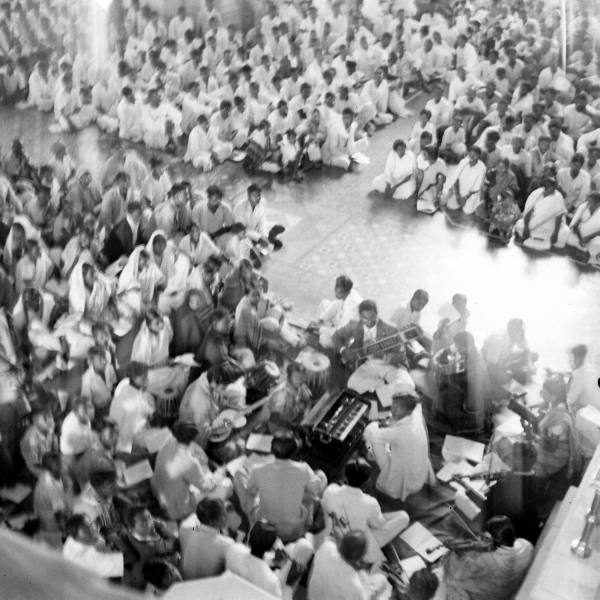
Inauguration service of Church of South India. Photo by Mark Kauffman (LIFE magazine)

Inauguration service of Church of South India. Photo by Mark Kauffman (LIFE magazine)
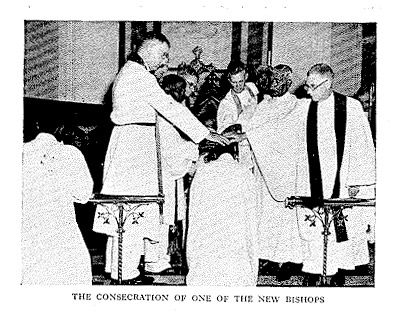
Photo credit: http://www.csisynod.com
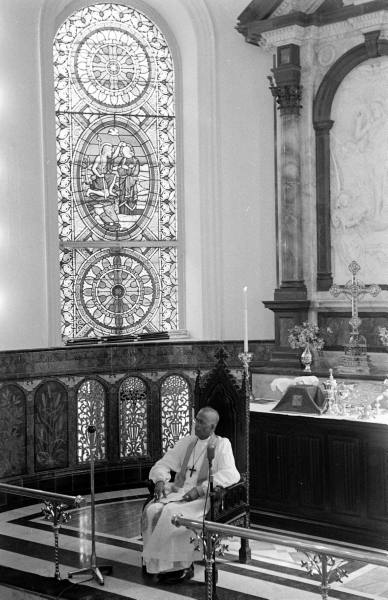
Presiding Bishop Rt. Revd. C. K. Jacob at the Inauguration of Church of South India. Photo by Mark Kauffman (LIFE magazine)
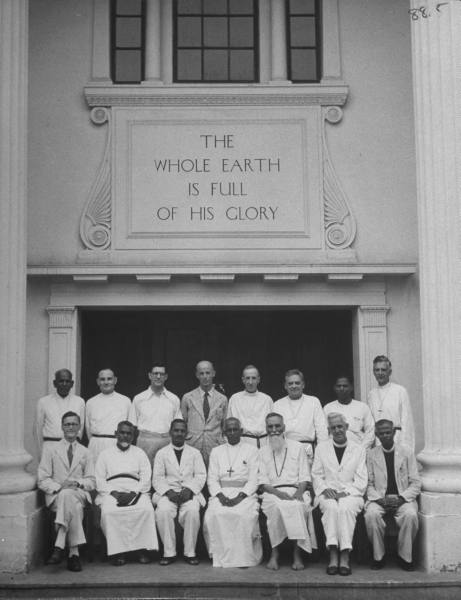
Clergymen from 5 Protestant faiths attending the inaguration of the Church of South India. Photo by Mark Kauffman (LIFE magazine)

St George’s Cathedral, Chennai (photo credit – wiki)
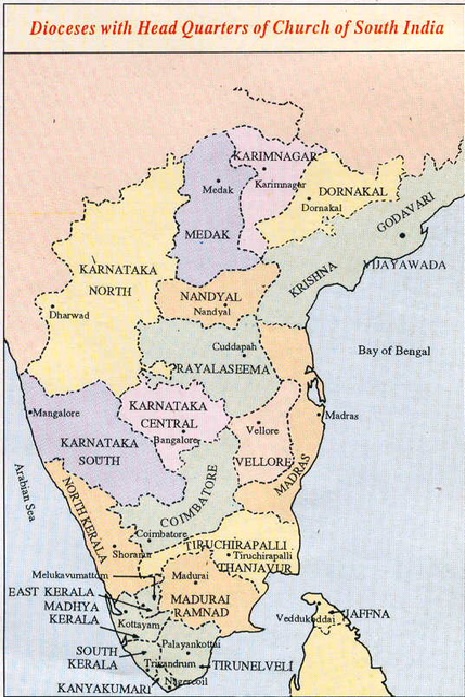
CSI Diocese Map (image credit – http://www.csimichigan.org)
3rd September, 1889 – Birth of Sadhu Sunder Singh (Special Video Feature)
Sadhu Sunder Singh the renowned Indian Christian missionary was a member of an ancient, aristocratic, and wealthy Sikh family from the village of Rampur in the State of Patiala (present day Punjab). He was a very religious and God fearing person. Jesus appeared to him in a vision in the early hours of 18th December 1904. Like Paul in the New Testament, he heard a voice “Why do you persecute me? Remember that I gave my life for you upon the Cross”. On Sunday, the 3rd of September, 1905, on his sixteenth birthday, he was baptized in St. Thomas Church at Shimla according to the rite of the Anglican Church.
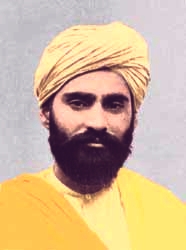
Sadhu Sundar Singh
A month after his baptism, Sundar Singh donned the yellow linen robe that celibate Indian Sadhus wore and set out to preach the gospel, carrying nothing but a New Testament. From now on he would have no permanent home and no income.”I am not worthy to follow in the steps of my Lord,” he said, “but like Him, I want no home, no possessions. Like Him I will belong to the road, sharing the suffering of my people, eating with those who will give me shelter, and telling all people of the love of God.’ He also authored eight books.
Sadhu Sunder Singh was one of the speakers of the Maramon Convention in 1918. He spoke in Hindi and the translation was done by Mr. M. O. Oommen, Chief Conservator of the then Travancore Kingdom.
Sadhu Sunder Singh drew crowds greater than any previous conventions, so much so that before the end of the week the pandal (covered area) had to be enlarged. It is estimated at the final meeting about 32,000 people gathered to hear his message.
Sadhu Sundar Singh
He is believed to have died in the foothills of the Himalayas in 1929 on his way to Tibet. His body was never found.
Journey to the Sky – Sadhu Sundar Singh (1977)