Maramon Convention 1922: The price of meals
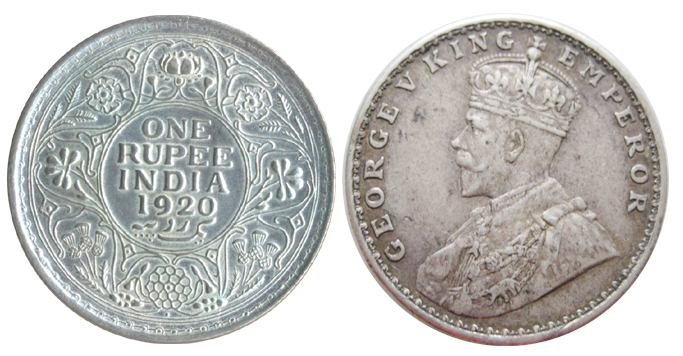
One British Rupee 1920
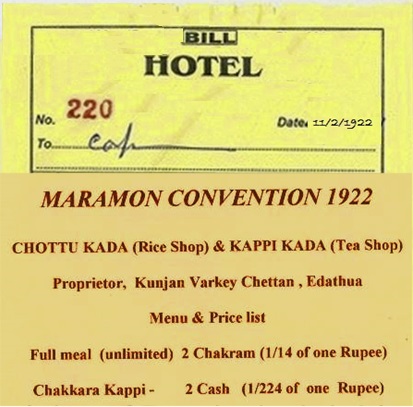
Fourteen meals for One rupee. During the early years of the Convention, restaurants and hotels were not in existence. Kappi Kadas (coffee/tea shops) and Chottu Kadas (rice shops) were the only available eateries at the Manalpuram (river bed) venue of the convention.
One of the famous chottu kada’s was managed by Kunjan Varkey Chetten from Edathua. He would serve 14 full meals for just one rupee and 228 full glasses of black coffee (Chakkara Kappi) also for Rs.1 in the early 1920’s.
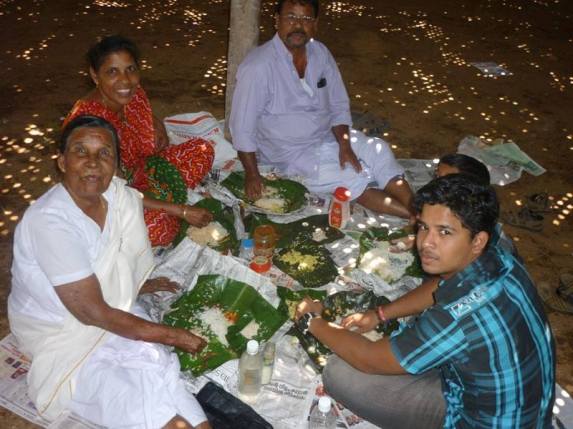
Having lunch at Maramon Convention. (Photo courtesy Facebook Group)
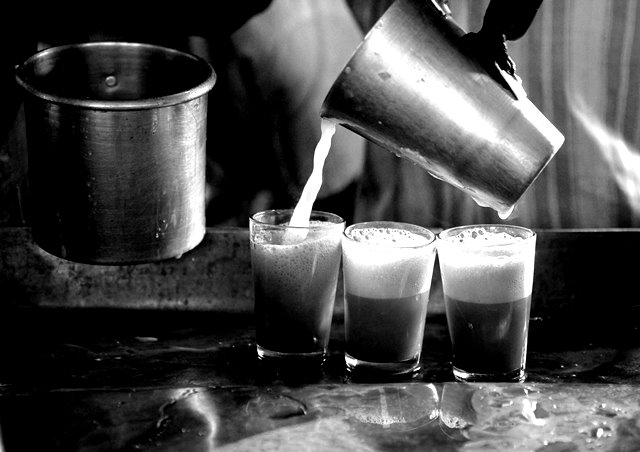
Chai shop
(www.chaiwallahsofindia.com)

1921 -1970: World renowned missionary Dr. E. Stanley Jones at Maramon Convention (See Rare Photos)
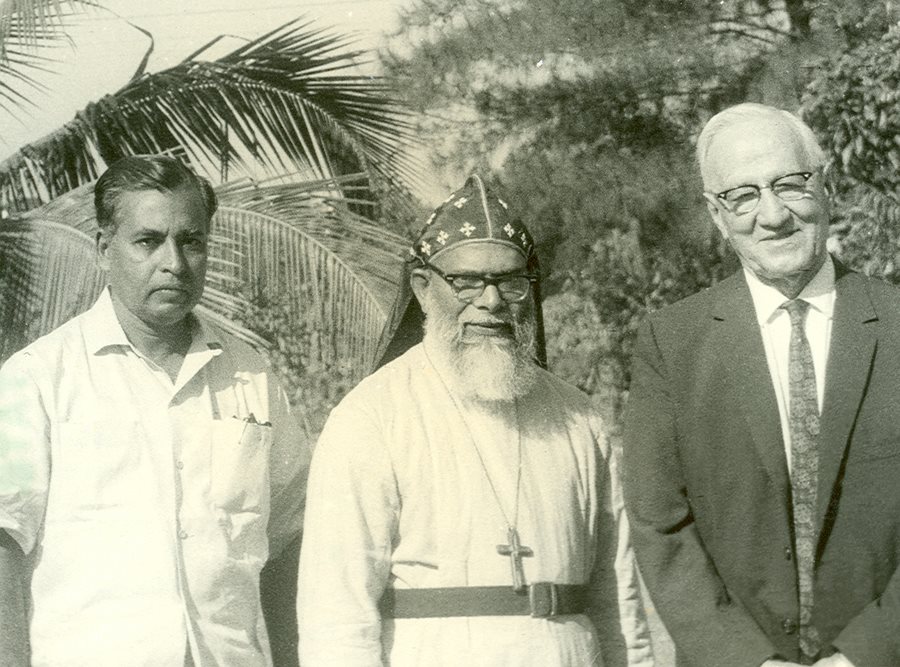
E.Stanley Jones (right) with Alexander Mar Thoma Metropolitan (middle) with an unidentified friend at Sat Tal Ashram, India. (Photos from E. Stanley Jones FB page)
Dr. Eli Stanley Jones was born in Baltimore, Maryland, USA on 3rd January 1884. He was a faculty member at Asbury College, Kentucky, USA when he was called to missionary service in India in 1907 under the Board of Missions of the Methodist Episcopal Church.
He was one of the main speakers of the Maramon Convention from 1921-1970. His messages combined evangelistic challenges with social concerns. The Maramon Convention is one of the largest Christian convention in Asia, and is held at Maramon, Pathanamthitta, Kerala, India annually in February. The venue is on the vast sand-bed of the Pampa River next to the Kozhencherry Bridge. It is organised by Mar Thoma Evangelistic Association, the missionary wing of the Malankara Mar Thoma Syrian Church. The 124th Maramon Convention is happening in 2019.
“For more than half a century Dr E. Stanley Jones proclaimed the Gospel of Christ and applied it to people’s personal, social, national, and international problems. He moved among statesmen and among leaders without portfolios as counselor, friend and worker for peace and goodwill.
Dr Jones became a friend of Mahatma Gandhi and wrote an appreciative biography of Gandhi. In 1950, Dr. Jones provided funds for India’s first Christian psychiatric center, and clinic currently known as Nur Manzil Psychiatric Center and Medical Unit at Lucknow, Uttar Pradesh, India.
~ http://www.facebook.com/SattalAshram”
In 1946, with the help of friends in USA, he donated the first loud speaker setup to the Maramon Convention. He is also the founder of the Sat Tal Christian Ashram movement, Nainital, Uttarakhand, India. He died on January 25, 1973 in his beloved India.
In the 1920s, India began to develop greater appreciation for its own history and culture and greater pride in its own unique contributions to world civilization. Stanley Jones was one of the very first to realize the possibilities that this change in India’s intellectual and spiritual culture created for Christianity and especially for Western Christian missionaries. But he could not fully understand the astounding scope and depth of the possibilities without experiencing the history and culture of his adopted country for himself. So, what better way to immerse himself in the ethos of India than to visit Indian ashrams?
This is exactly what he did. In 1923, he spent two months at Santiniketan, the ashram of the world-famous poet, Rabindranath Tagore. Three years later in 1926 he visited Gandhi’s ashram at Sabarmati.
It is no exaggeration to say that Jones’ visits to these ashrams changed the course of his life. In fact, in 1930, he established his own ashram as a spiritual retreat for Christians modeled on his experience with Ashrams in India. But this was only the first of hundreds of Christian ashrams that would eventually be established throughout the world. These ashrams are truly the work of the Holy Spirit as they continue to inspire, refresh, and renew thousands of Christians in many nations today.
~ From “Ordinary Man, Extraordinary Mission: The Life and Work of E. Stanley Jones” by Stephen A. Graham
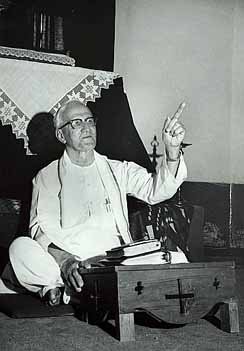
Rev. E. Stanley Jones giving one of his sermons at Sat Tal Ashram, India. (Photo from E. Stanley Jones FB Page)

Bishop T. S. Joseph speaking at the Maramon Convention while Bishop Alexander Mar Theophilus (Metropolitan Alexander Mar Thoma), E. Stanley Jones and Mr. Ramenpillar listen. (Photo from E. Stanley Jones FB page)
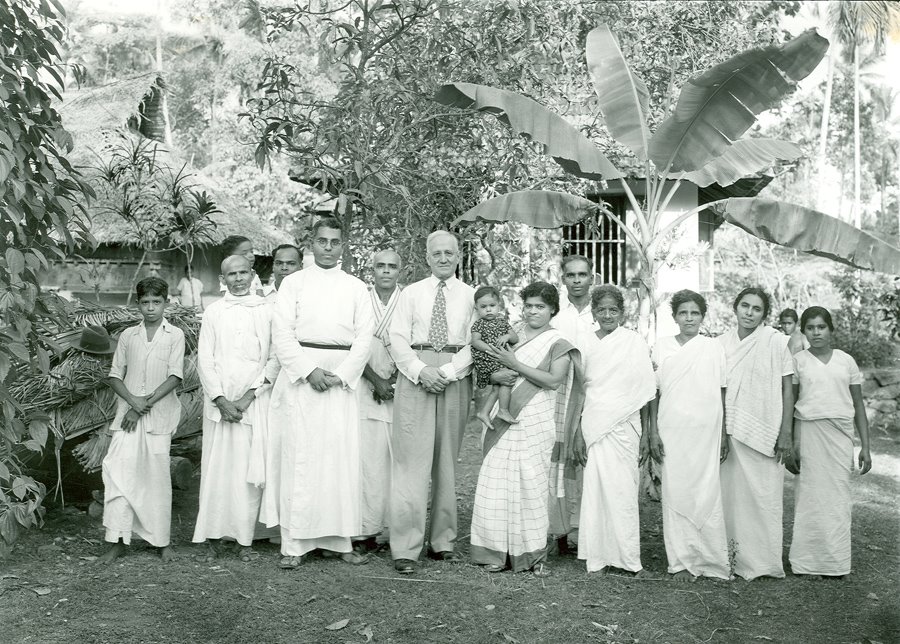
Rev. Stanley Jones with Mar Thoma Church members in Kerala, India. (Photo from E. Stanley Jones FB page)
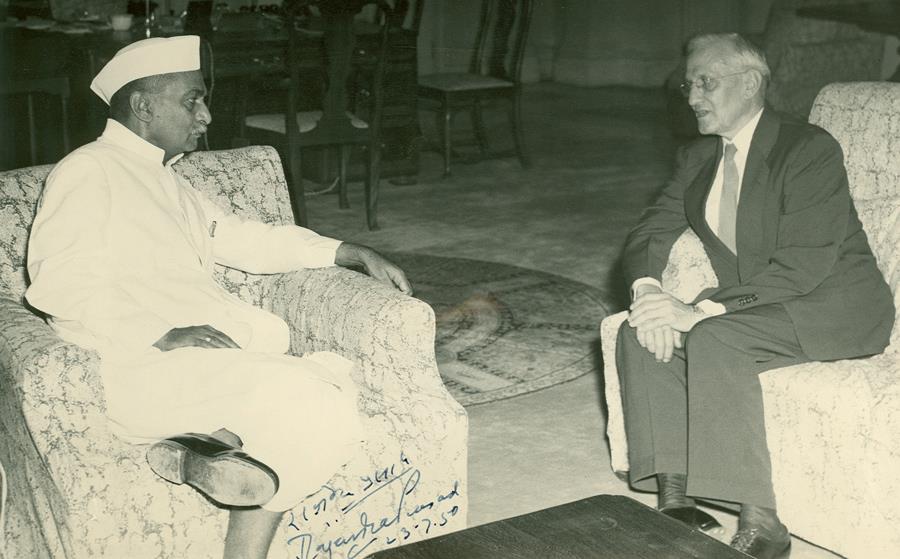
Dr. Stanley Jones with Dr. Rajendra Prasad, first President of India 1950 (Photo from E. Stanley Jones FB page)
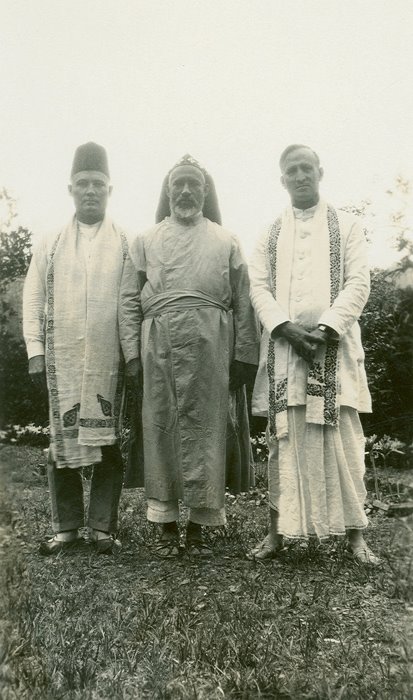
E. Stanley Jones (right) at the Maramon Convention with Bishop Abraham Mar Thoma Metropolitan (middle) and an unidentified friend. (Photo from E. Stanley Jones FB page)

1905: Women Speakers lead the way at Maramon Convention
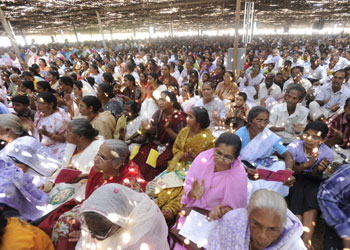
Women listening to the sermon at Maramon Convention. (Image courtesy www.manoramaonline.com)
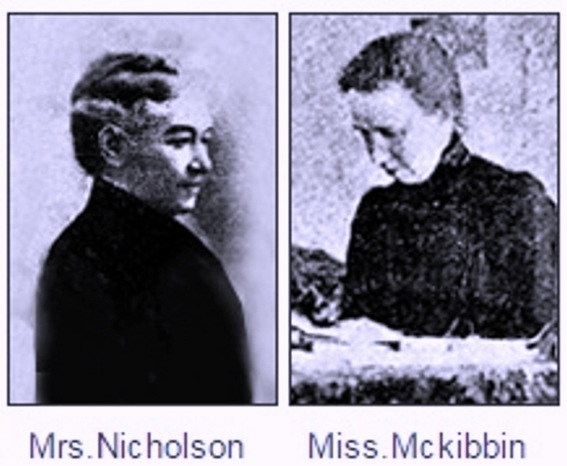
Right from its initial years, many women speakers have made a great impact on the Maramon Convention. Mrs. F.S. Nicholson and Miss. S.C. McKibbin conducted special meetings and Bible classes for women during the convention in 1905. They are remembered for their devoted service to the women of Travancore particularly in the education field. They established the prestigious Nicholson Syrian Girls Higher Secondary School and Training Home in 1910 at Kattode, Tiruvalla, Kerala.
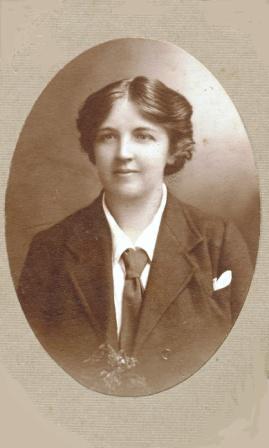
Ms. Gwen Kellaway, Vanitha Mandiram
Other eminent speakers included Miss Amy Carmichael, founder of the Dohnavur Mission, Tamil Nadu, Miss Kellaway of Vanitha Mandiram, and Miss Grower to name a few missionaries who encouraged women towards the Lord’s work through Bible classes during the early days of the Convention.
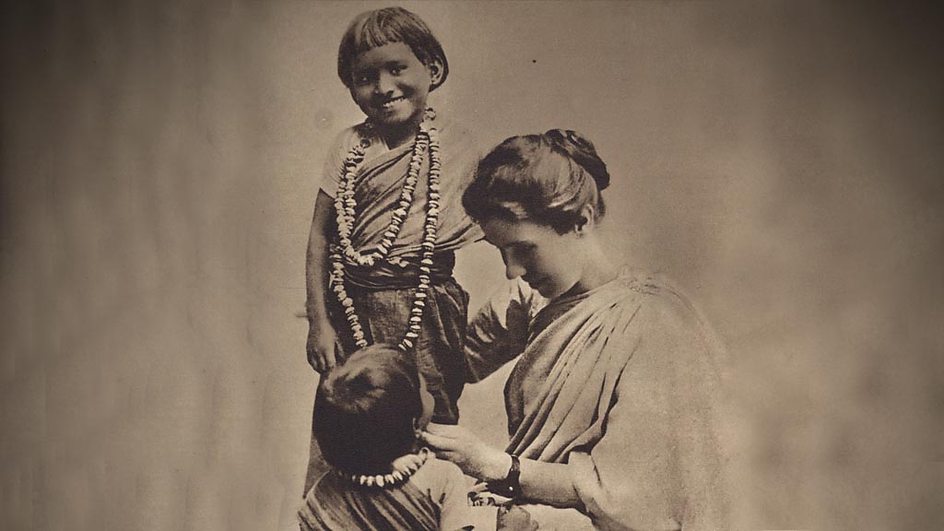
Amy Carmichael with the children of Dohnavur Mission, Tamil Nadu

Ban of Tobacco and Paan at the Maramon Convention
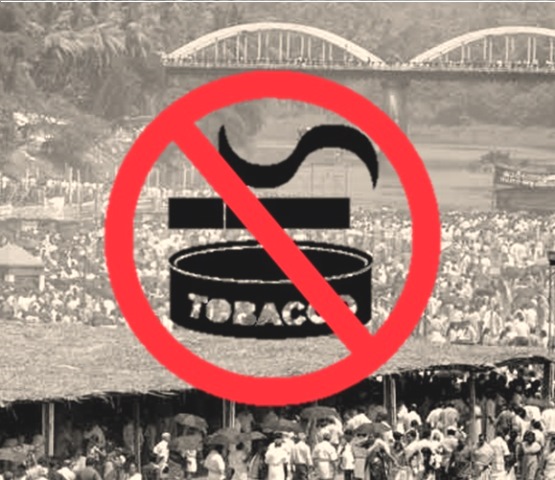
The use of tobacco and paan was a way of life in Kerala during the first half of the 20th Century. It was an essential item at social events such as marriages and other family gatherings. Tobacco and paan was easily available through shops all over Kerala. It was a common sight to have people attend the Maramon Convention meetings with beedi and murukkan in their pockets.
Through his messages, Dr. Stanley Jones urged people to refrain from the use of tobacco products. During one meeting, he asked the convention participants to bury their tobacco (which they were carrying) in the sand on the pandal floor. In another meeting, he collected all the tobacco products from the people and burnt it near the pandal in front of everyone.
It is only after much persuasion that the people stop using it and today it is not permitted at the Maramon Convention pandal.
Read more about Dr. E. Stanley Jones at the Maramon Convention with rare photos

20 November, 1904: Death of Stephanos Kathanar
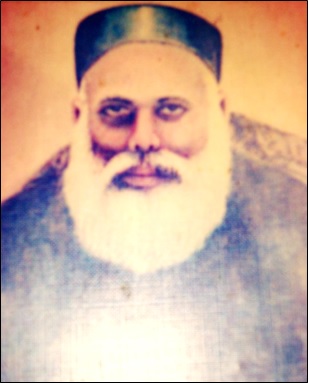
Stephanos Kathanar
20 November, 1904: Death of Stephanos Kathanar – Author of “Shayana Namaskaram”.
Stephanos Kathanar (born on 14 June 1852) was a member of Kallarakkal Peedikayil family of Thazhahkkara, Mavelikkara. He became a deacon at the age of 8. He was an expert teacher of the Syrian Language.
In 1897 he established Thazhakkara Mar Thoma Church and started a library for the parish. Achen is the author of The Shayana Namaskaram– (prayer song usually sung with the evening family prayer or public worship) “njangalkullha karthave…” which is still used by many Kerala Christians.
Achen’s grandson Dr. Samuel Mathai was the Vice-Chancellor of the Kerala University. He was called to his eternal home on 20 Nov 1904.
8 Nov 2015: CSI, CNI and Mar Thoma Church celebrate “Festival of Unity of Communion of Churches in India (CCI) CSI- CNI-MTC”
On 8 November, 2015, Sunday: the CSI, CNI and Mar Thoma Churches will celebrate this Sunday as the ‘”Festival of Unity of Communion of Churches in India (CCI) CSI- CNI-MTC”‘.
The Communion of Churches in India (CCI) has been constituted as the visible organ for common expression of the life and witness by the founding Churches, the Church of North India (CNI), the Church of South India (CSI) and the Mar Thoma Syrian Church (MTC) which recognise themselves as belonging to the one Church of Jesus Christ in India, even while remaining as autonomous churches, each having its own identity of traditions and organizational structures. “The Communion” invites other Churches in India to enter into full communion with the member churches separately and join “The Communion”.
2 November, 1942: The first workers of Sihora Ashram start from Kottarakkara.
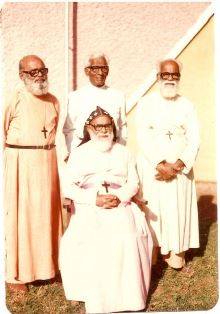
Founders of the Sihora Ashram with Most Rev. Alexander Mar Thoma Metropolitan.
On the morning of 2 November 1942 a huge crowd under the leadership of the Bishop Juhanon Mar Timotheos gathered under a tree on the eastern side of the Kottarakkara railway Station and gave a sensational send off to Rev. K.T. Thomas, Karimparampil.Anaprampal), Mr. John Varghese (Valethu Thoppil, Puthencauv), and Mr. M. P. Mathew (Mavelil, Kaviyoor), the founder members of the Christa Panthi Ashram.
After visiting various north Indian cities, they finally reached Sihora on 13 September 1943 and started the Ashram. Our bishop The Late Rt. Rev .Easow Mar Timotheos was a memberof this ashram for 22 years.
For more Mission field stories vist :-www.nalloorlibrary.com;
Birth Anniversary of Mr. M. T. Joseph (Co-founder of Hoskote Mission) 21 October, 1910
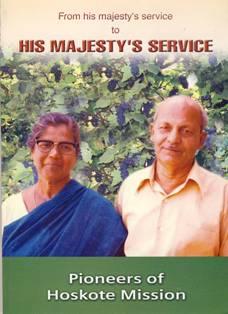
21 October, 1910: Birth of Mr. M. T. Joseph (d.18 Feb,1995) ), Co-founder of the Hoskote Mission. Joseph was the son of Ipe Thomas and Rachelamma of Manon, Maramon. He was an Anchel Master (Post Master) who left his lucrative government job and home town, to go to an unknown village far away in rural Karnataka, with the sole purpose of spreading the Gospel.
The Hoskote Mission Medical Center was established in 1947 in Hoskote, Bangalore Rural District, Karnataka.
Read more about his story : https://nalloorlibrary.com/wp-content/uploads/2013/06/ebook-m-t-joseph-co-founder-of-hoskote-mission.pdf
27 September, 1947: Formation of Church of South India (with Rare Photos)
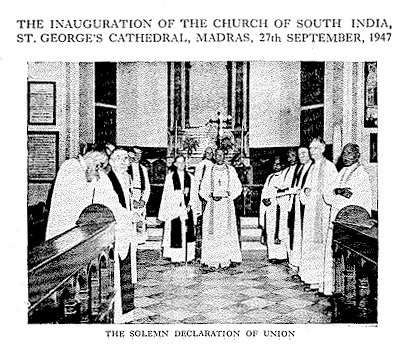
Photo credit: http://www.csisynod.com
27 September, 1947: Formation of Church of South India (CSI) in 1947, as a union of Anglican, Presbyterian, Congregationalist and Methodist churches. The idea of a Church union was proposed in 1919 at a conference held in Tranquebar (now Tarangambadi) in 1919. After 28 years of discussions various denominational churches in South India established by different Missionary societies agreed to the formation of the Church of South India in 1947 after India attained independence. The inaugural ceremony was held at St. George Cathedral Madras (Chennai).
Today the Church of South India is one of the largest Protestant churches in India and is a member of the Anglican Communion and its bishops participate in the Lambeth Conferences. It is also a member of the World Council of Churches, the World Alliance of Reformed Churches, and the National Council of Churches in India.
The Church of South India (CSI), Church of North India (CNI), and Malankara Mar Thoma Syrian Church of India jointly formed the Communion of Churches in India (CCI) in 1978 for mutual recognition of the ministry and leaders, inter communal relationship, and to explore possibilities of working together and other areas of cooperation in the fulfillment of the mission of the Church in India.
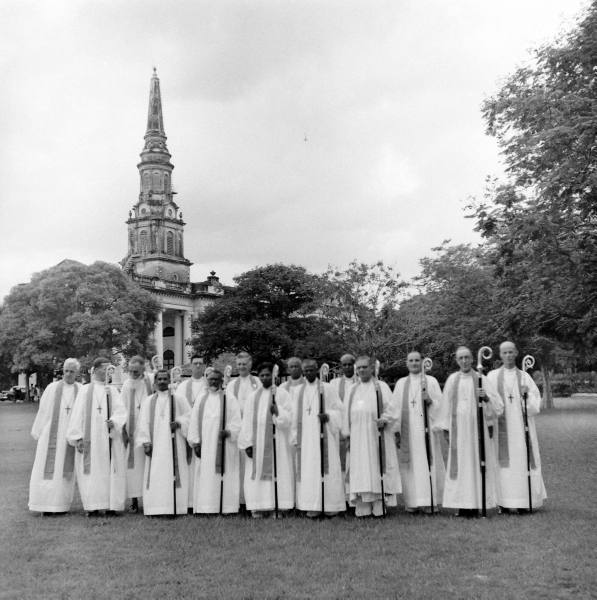
At the inauguration of Church of South India. Photo by Mark Kauffman (LIFE magazine)
The presiding bishop of the inaugural function was the Rt. Revd. C. K. Jacob of the Anglican Diocese of Travancore and Cochin. A vast congregation gathered in the cathedral at Madras from all over the world. The following historical declaration was made by Bishop Jacob at the inaugural service.
“Dearly beloved brethren, in obedience to the Lord Jesus Christ the head of the church, who on the night of his passion prayed that his disciples might be one, and by authority of the governing bodies of the uniting churches whose resolutions have been read in your hearing and laid in your prayer before Almighty God; I do hereby declare that these three churches, namely – the Madras, Madura, Malabar, Jaffna, Kannada, Telugu, Travancore Church councils of the South India United Church; the Methodist Church of South India, Trichinopoly, Hyderabad and Mysore districts; the Madras, Travancore and Cochin, Tinnevelly and Dornakal dioceses of the Churches of India, Burma and Ceylon; are become one Church of South India, and these bishops, presbyters, deacons and probationers who have assented to the basis of union and accepted the constitution of the Church of South India, whose names are laid upon this holy table, are bishops, presbyters and deacons of this church. In the name of the Father, and the Son, and the Holy Spirit, Amen.” ~ wikipedia

Inauguration procession of Church of South India. Photo by Mark Kauffman (LIFE magazine)
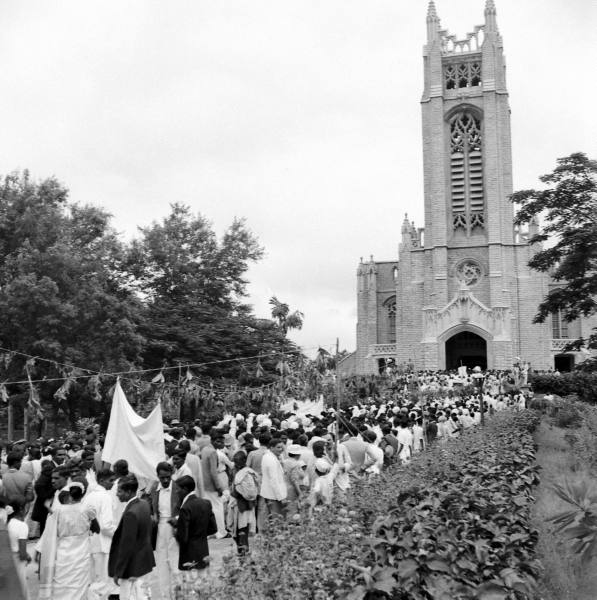
Inauguration procession of Church of South India. Photo by Mark Kauffman (LIFE magazine)
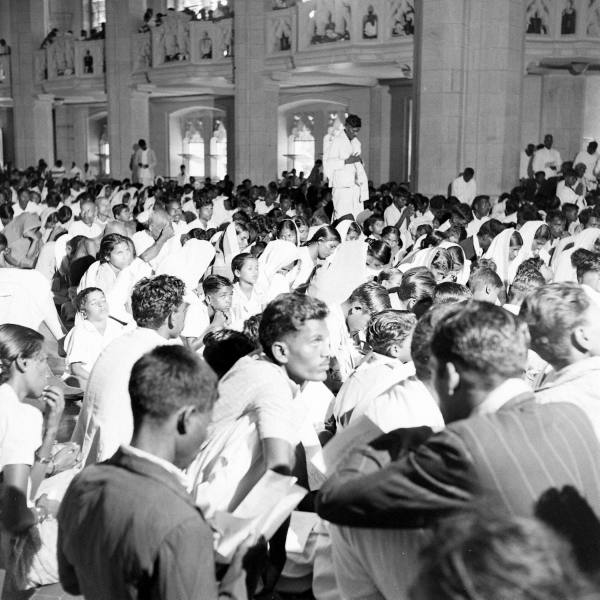
Inauguration service of Church of South India. Photo by Mark Kauffman (LIFE magazine)
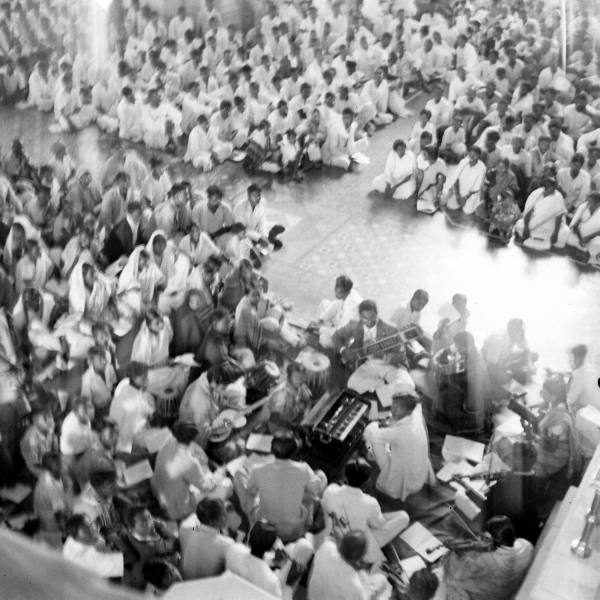
Inauguration service of Church of South India. Photo by Mark Kauffman (LIFE magazine)

Inauguration service of Church of South India. Photo by Mark Kauffman (LIFE magazine)
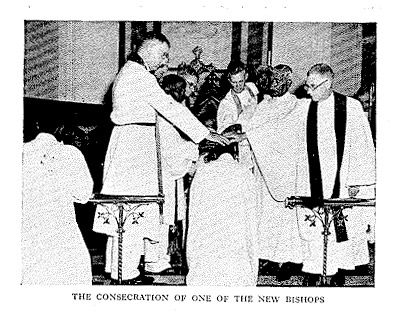
Photo credit: http://www.csisynod.com
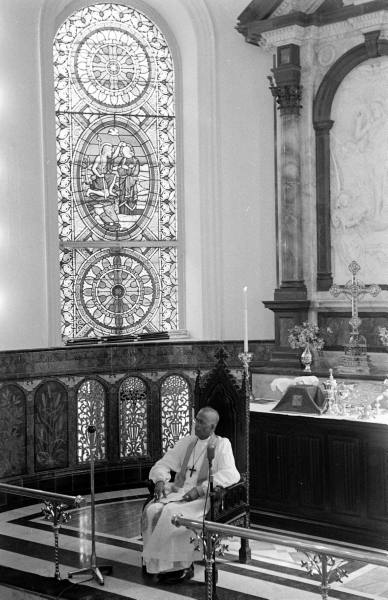
Presiding Bishop Rt. Revd. C. K. Jacob at the Inauguration of Church of South India. Photo by Mark Kauffman (LIFE magazine)
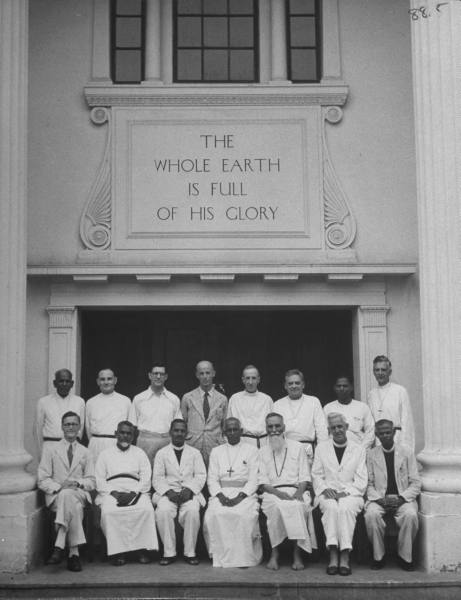
Clergymen from 5 Protestant faiths attending the inaguration of the Church of South India. Photo by Mark Kauffman (LIFE magazine)

St George’s Cathedral, Chennai (photo credit – wiki)
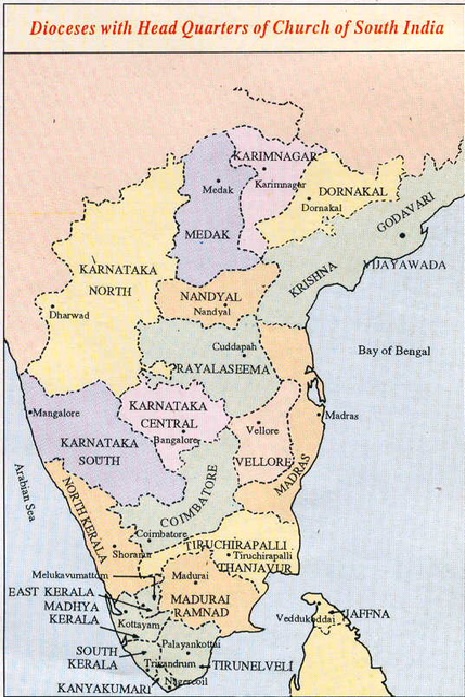
CSI Diocese Map (image credit – http://www.csimichigan.org)
3rd September, 1889 – Birth of Sadhu Sunder Singh (Special Video Feature)
Sadhu Sunder Singh the renowned Indian Christian missionary was a member of an ancient, aristocratic, and wealthy Sikh family from the village of Rampur in the State of Patiala (present day Punjab). He was a very religious and God fearing person. Jesus appeared to him in a vision in the early hours of 18th December 1904. Like Paul in the New Testament, he heard a voice “Why do you persecute me? Remember that I gave my life for you upon the Cross”. On Sunday, the 3rd of September, 1905, on his sixteenth birthday, he was baptized in St. Thomas Church at Shimla according to the rite of the Anglican Church.
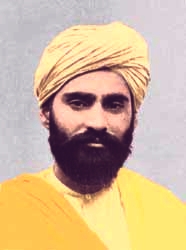
Sadhu Sundar Singh
A month after his baptism, Sundar Singh donned the yellow linen robe that celibate Indian Sadhus wore and set out to preach the gospel, carrying nothing but a New Testament. From now on he would have no permanent home and no income.”I am not worthy to follow in the steps of my Lord,” he said, “but like Him, I want no home, no possessions. Like Him I will belong to the road, sharing the suffering of my people, eating with those who will give me shelter, and telling all people of the love of God.’ He also authored eight books.
Sadhu Sunder Singh was one of the speakers of the Maramon Convention in 1918. He spoke in Hindi and the translation was done by Mr. M. O. Oommen, Chief Conservator of the then Travancore Kingdom.
Sadhu Sunder Singh drew crowds greater than any previous conventions, so much so that before the end of the week the pandal (covered area) had to be enlarged. It is estimated at the final meeting about 32,000 people gathered to hear his message.
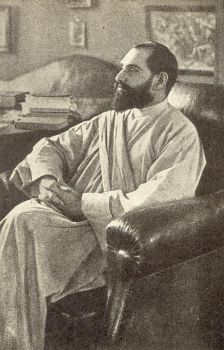
Sadhu Sundar Singh
He is believed to have died in the foothills of the Himalayas in 1929 on his way to Tibet. His body was never found.
Journey to the Sky – Sadhu Sundar Singh (1977)


 Nalloor Library