27 September, 1947: Formation of Church of South India (with Rare Photos)
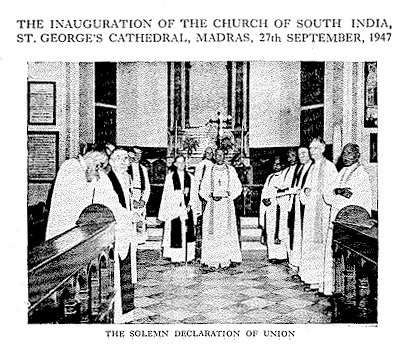
Photo credit: http://www.csisynod.com
27 September, 1947: Formation of Church of South India (CSI) in 1947, as a union of Anglican, Presbyterian, Congregationalist and Methodist churches. The idea of a Church union was proposed in 1919 at a conference held in Tranquebar (now Tarangambadi) in 1919. After 28 years of discussions various denominational churches in South India established by different Missionary societies agreed to the formation of the Church of South India in 1947 after India attained independence. The inaugural ceremony was held at St. George Cathedral Madras (Chennai).
Today the Church of South India is one of the largest Protestant churches in India and is a member of the Anglican Communion and its bishops participate in the Lambeth Conferences. It is also a member of the World Council of Churches, the World Alliance of Reformed Churches, and the National Council of Churches in India.
The Church of South India (CSI), Church of North India (CNI), and Malankara Mar Thoma Syrian Church of India jointly formed the Communion of Churches in India (CCI) in 1978 for mutual recognition of the ministry and leaders, inter communal relationship, and to explore possibilities of working together and other areas of cooperation in the fulfillment of the mission of the Church in India.
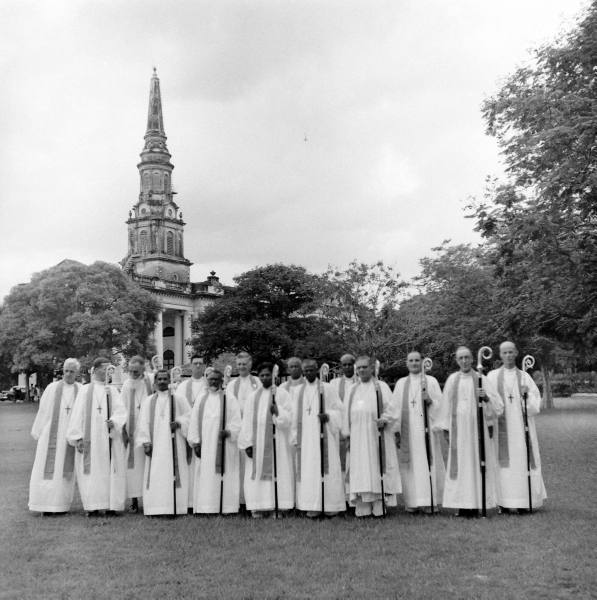
At the inauguration of Church of South India. Photo by Mark Kauffman (LIFE magazine)
The presiding bishop of the inaugural function was the Rt. Revd. C. K. Jacob of the Anglican Diocese of Travancore and Cochin. A vast congregation gathered in the cathedral at Madras from all over the world. The following historical declaration was made by Bishop Jacob at the inaugural service.
“Dearly beloved brethren, in obedience to the Lord Jesus Christ the head of the church, who on the night of his passion prayed that his disciples might be one, and by authority of the governing bodies of the uniting churches whose resolutions have been read in your hearing and laid in your prayer before Almighty God; I do hereby declare that these three churches, namely – the Madras, Madura, Malabar, Jaffna, Kannada, Telugu, Travancore Church councils of the South India United Church; the Methodist Church of South India, Trichinopoly, Hyderabad and Mysore districts; the Madras, Travancore and Cochin, Tinnevelly and Dornakal dioceses of the Churches of India, Burma and Ceylon; are become one Church of South India, and these bishops, presbyters, deacons and probationers who have assented to the basis of union and accepted the constitution of the Church of South India, whose names are laid upon this holy table, are bishops, presbyters and deacons of this church. In the name of the Father, and the Son, and the Holy Spirit, Amen.” ~ wikipedia

Inauguration procession of Church of South India. Photo by Mark Kauffman (LIFE magazine)
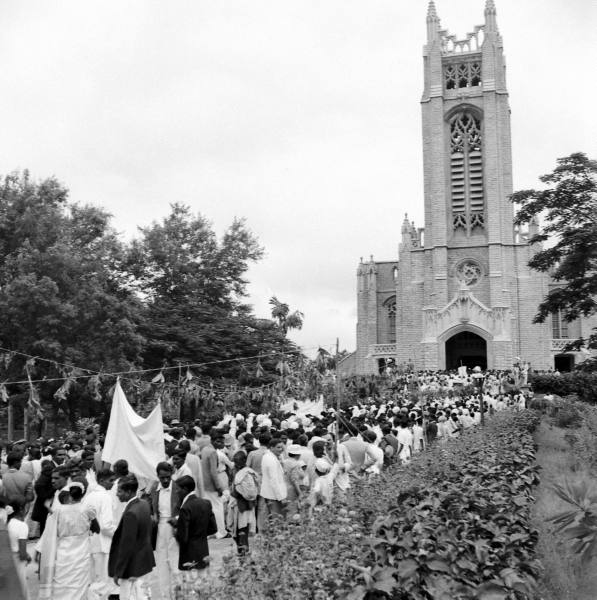
Inauguration procession of Church of South India. Photo by Mark Kauffman (LIFE magazine)
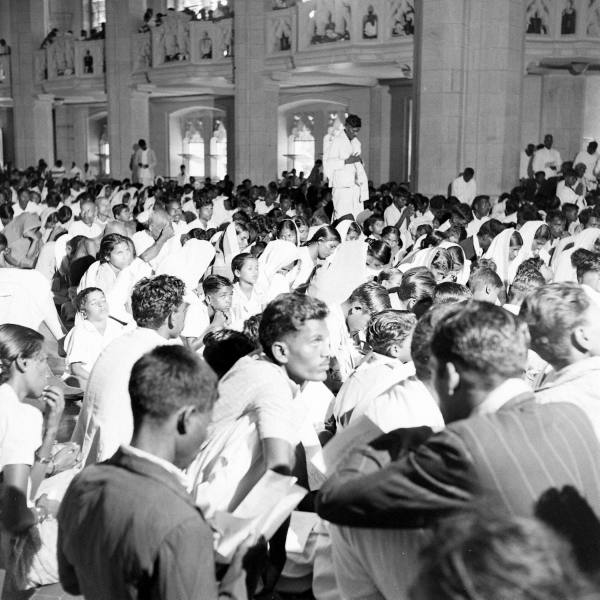
Inauguration service of Church of South India. Photo by Mark Kauffman (LIFE magazine)
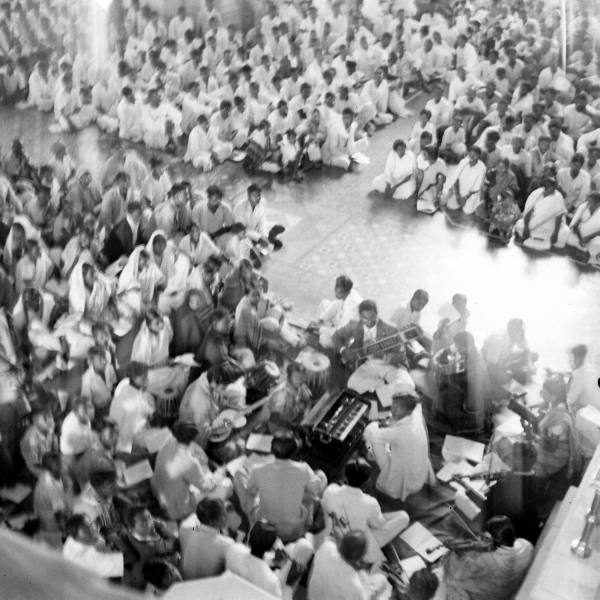
Inauguration service of Church of South India. Photo by Mark Kauffman (LIFE magazine)

Inauguration service of Church of South India. Photo by Mark Kauffman (LIFE magazine)
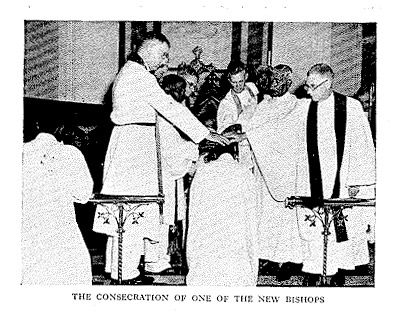
Photo credit: http://www.csisynod.com
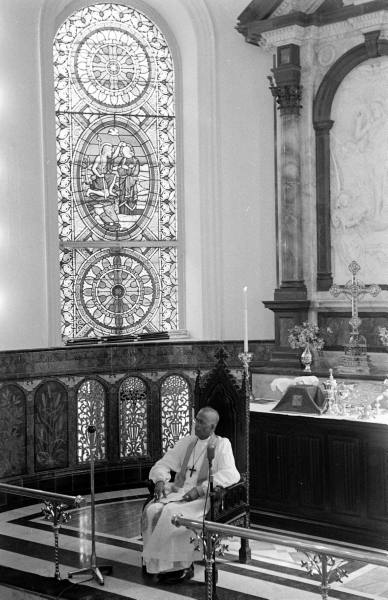
Presiding Bishop Rt. Revd. C. K. Jacob at the Inauguration of Church of South India. Photo by Mark Kauffman (LIFE magazine)
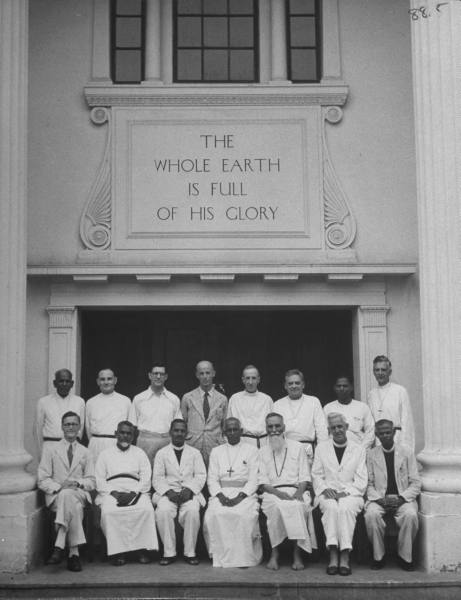
Clergymen from 5 Protestant faiths attending the inaguration of the Church of South India. Photo by Mark Kauffman (LIFE magazine)

St George’s Cathedral, Chennai (photo credit – wiki)
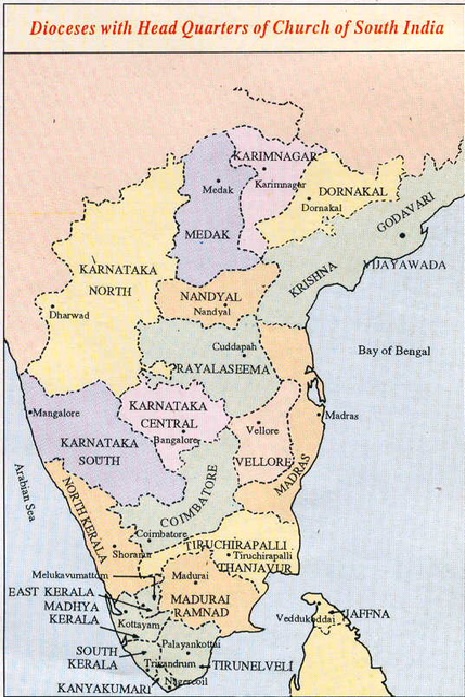
CSI Diocese Map (image credit – http://www.csimichigan.org)
3rd September, 1889 – Birth of Sadhu Sunder Singh (Special Video Feature)
Sadhu Sunder Singh the renowned Indian Christian missionary was a member of an ancient, aristocratic, and wealthy Sikh family from the village of Rampur in the State of Patiala (present day Punjab). He was a very religious and God fearing person. Jesus appeared to him in a vision in the early hours of 18th December 1904. Like Paul in the New Testament, he heard a voice “Why do you persecute me? Remember that I gave my life for you upon the Cross”. On Sunday, the 3rd of September, 1905, on his sixteenth birthday, he was baptized in St. Thomas Church at Shimla according to the rite of the Anglican Church.
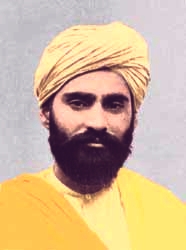
Sadhu Sundar Singh
A month after his baptism, Sundar Singh donned the yellow linen robe that celibate Indian Sadhus wore and set out to preach the gospel, carrying nothing but a New Testament. From now on he would have no permanent home and no income.”I am not worthy to follow in the steps of my Lord,” he said, “but like Him, I want no home, no possessions. Like Him I will belong to the road, sharing the suffering of my people, eating with those who will give me shelter, and telling all people of the love of God.’ He also authored eight books.
Sadhu Sunder Singh was one of the speakers of the Maramon Convention in 1918. He spoke in Hindi and the translation was done by Mr. M. O. Oommen, Chief Conservator of the then Travancore Kingdom.
Sadhu Sunder Singh drew crowds greater than any previous conventions, so much so that before the end of the week the pandal (covered area) had to be enlarged. It is estimated at the final meeting about 32,000 people gathered to hear his message.
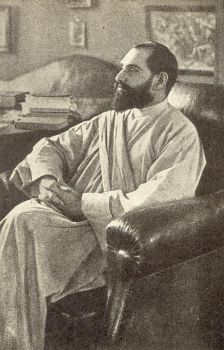
Sadhu Sundar Singh
He is believed to have died in the foothills of the Himalayas in 1929 on his way to Tibet. His body was never found.
Journey to the Sky – Sadhu Sundar Singh (1977)



 Nalloor Library